

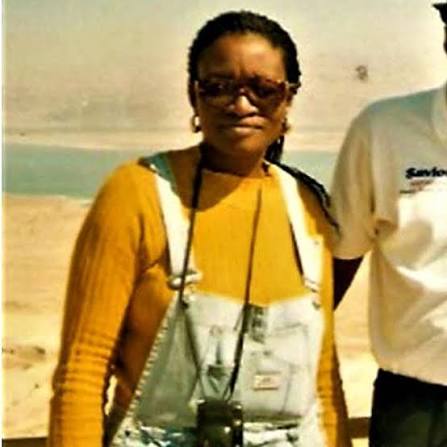
In the late 1990s and early 2000s, Tokunbo Ajai was a household name on Nigerian television. The British-born broadcaster, known for her flawless diction, neutral accent, and professional poise, delivered news on NTA with a grace that stood out in an era of state television dominance. Viewers admired her composure and elegance. Few could have imagined the private torment she was enduring behind the camera.
On one ordinary night in 2000, armed robbers invaded her Lagos neighbourhood. They went house to house, robbing residents. When they reached Tokunbo’s flat, they recognised the popular newscaster. What followed was a horrific ordeal: she was subjected to gang sexual assault by several of the men. She reportedly made no noise during the attack, and the incident went unreported to her neighbours or the police at the time. The robbery itself was documented, but the sexual violence remained her private agony.
The Confession That Revealed the Truth
A few weeks later, the same gang was apprehended during another operation. Under interrogation, one of the robbers confessed to the earlier crime, specifically naming Tokunbo Ajai as one of their victims. The revelation came years after her death.
Tokunbo Ajai, aged 37, was found dead in circumstances later attributed to suicide. When the news broke on NTA’s 9pm bulletin, one of her colleagues broke down in tears on air, forcing the programme to end abruptly. The nation was stunned. At the time, the full story remained hidden. It was only years later that the connection to the assault emerged publicly.
The Weight of Stigma in a Conservative Society
In early 2000s Nigeria, the stigma surrounding sexual assault was overwhelming. Victims often faced blame, shame, and social ostracism. For a public figure like Tokunbo Ajai — admired for her poise and professionalism — the fear of exposure, career damage, and judgment appears to have been unbearable. She chose silence, carrying the trauma alone until it consumed her.
Her story highlights the intersection of gender-based violence, mental health, and societal attitudes toward survivors in Nigeria. Sexual assault was (and in many circles still is) treated as a taboo subject, with victims bearing the burden of proof and shame rather than the perpetrators facing swift justice.
A Lasting Legacy and Painful Reminder
Tokunbo Ajai’s death sent shockwaves through the broadcasting community and beyond. She represented excellence and grace on screen, yet became a symbol of the hidden suffering many women endure in silence. Her case remains a tragic example of how sexual assault can destroy lives long after the physical act, especially when compounded by fear of stigma and inadequate support systems.
Decades later, conversations around sexual violence in Nigeria have evolved with greater advocacy, #EndRapeCulture movements, and calls for better victim support and justice. Yet stories like Tokunbo’s remind us how far society still has to go in protecting survivors and breaking the culture of silence.
Rest in peace, Tokunbo Ajai. Your voice may have been silenced too soon, but your story continues to speak volumes. 💔