
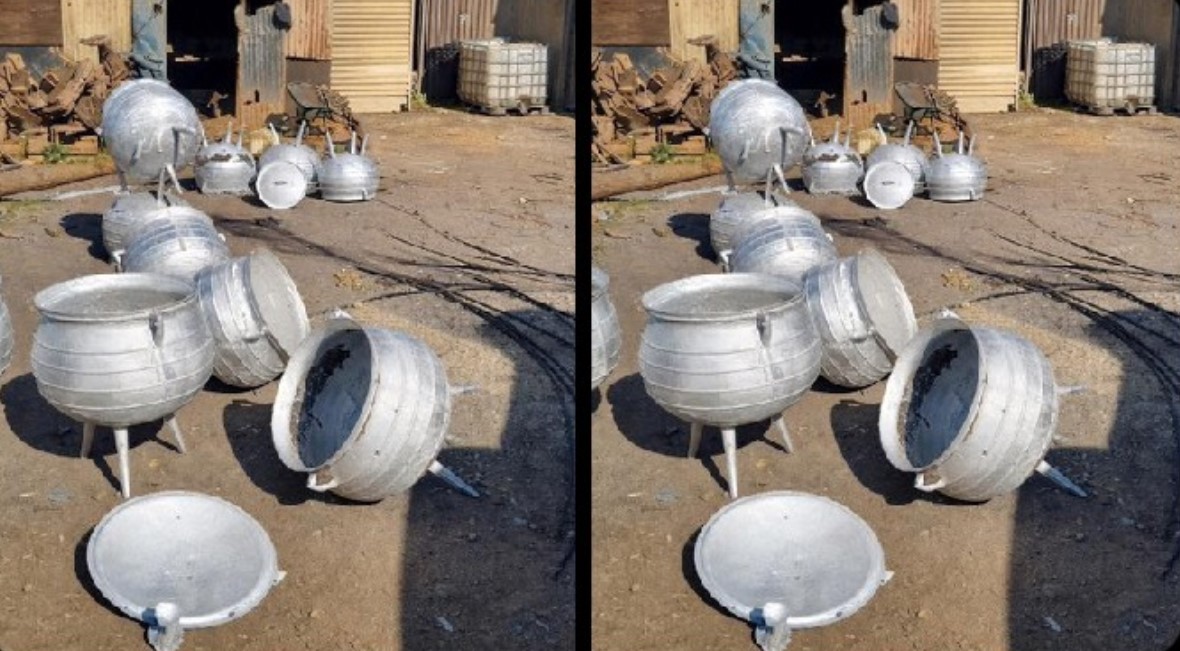
Health authorities have raised serious concerns about the safety of certain informally manufactured, silver-coloured aluminium three-legged pots that are commonly sold in some communities. Reports referencing the World Health Organization (WHO) indicate that these pots may pose significant health risks due to the materials used in their production.
According to available information, many of these pots are made in the informal sector using melted scrap metal. This scrap often includes items such as old car radiators, electronic waste, and even batteries. As a result, harmful substances like lead can become part of the final product without the knowledge of consumers.
Lead is a highly toxic substance and is considered unsafe at any level of exposure. Once it enters the body, it accumulates over time and can cause serious health problems. These include kidney damage, reproductive complications such as reduced fertility and hormonal imbalance, and neurological issues. In children, lead exposure is particularly dangerous as it can lead to lowered intelligence, behavioural problems, and permanent cognitive impairment. Adults may also experience high blood pressure and other long-term health complications.
The danger increases during cooking. When these pots are heated, especially while preparing acidic foods like tomato-based dishes, curries, or meals containing vinegar, lead can leach into the food. The risk becomes even greater if the pots are scratched, chipped, or worn out.
Health experts strongly advise the public to avoid using unbranded or informally produced cookware. Instead, consumers are encouraged to choose certified, food-grade options such as stainless steel or properly manufactured aluminium products. Lead poisoning often develops silently, without immediate symptoms, making it even more important to take preventative measures and prioritize safe cooking materials.