
Poor blood circulation, a condition that affects the body’s ability to efficiently deliver oxygen and nutrients, is increasingly becoming a concern among adults, particularly those over the age of 40. Medical experts note that individuals who are overweight, living with diabetes, or leading a sedentary lifestyle are at a higher risk of developing circulation-related problems.
The circulatory system plays a vital role in maintaining overall health by transporting blood, oxygen, and essential nutrients throughout the body. When this system is compromised, especially in the lower limbs, various symptoms may begin to appear, signaling potential underlying health issues.
According to information published by Cleveland Clinic and Healthline, poor blood flow in the legs can manifest in several noticeable ways. One of the most common signs is a persistent tingling sensation or numbness in the feet, which may indicate that nerves are not receiving adequate blood supply.
Muscle cramps, particularly during movement or at rest, are also frequently reported. In more severe cases, individuals may experience difficulty maintaining balance, sometimes leading to unexpected falls. Circulatory issues may further affect other bodily functions, including difficulty maintaining an erection in men, which is often linked to restricted blood flow.
Cognitive challenges such as trouble concentrating or remembering details have also been associated with poor circulation, as reduced blood flow can impact brain function. Additionally, wounds or injuries that take longer than usual to heal may signal inadequate blood supply to affected areas.
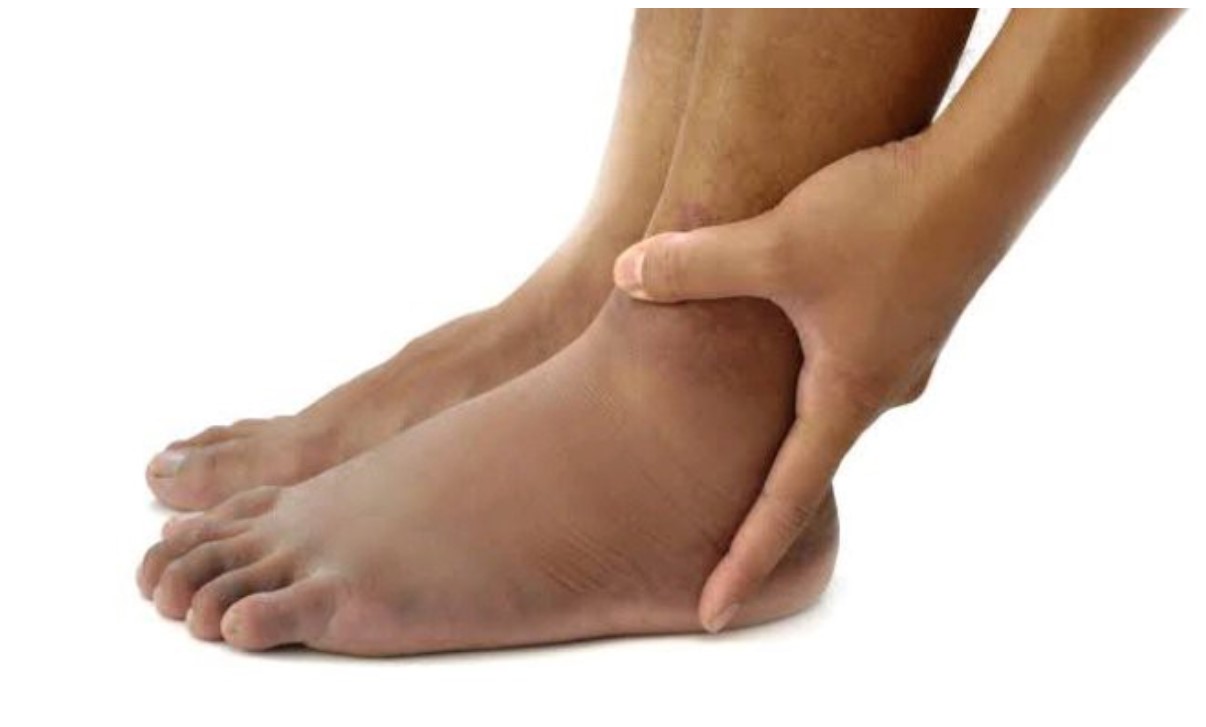
Visible physical changes can also occur. Enlarged or twisted veins, commonly known as varicose veins, are a well-known indicator of circulation problems. Swelling in the legs and feet, medically referred to as edema, is another common symptom. Persistent fatigue, even after adequate rest, may further point to circulatory inefficiencies.
Health professionals emphasize the importance of early detection and lifestyle changes, including regular exercise and proper diet, to improve blood circulation and prevent complications. Individuals experiencing these symptoms are advised to seek medical attention for proper diagnosis and treatment.