

What does it mean to have bowel cancer?
In Australia, it is the third most common type of cancer. About 15,500 people are told they have bowel cancer every year. Most people with it are over 50, but anyone can get it.
Bowel cancer may not show any signs in its early stages. But it can be treated successfully if caught early.
When you find out you have cancer, many things can happen quickly. The guide to the best cancer care can help you figure out what to do if you have bowel cancer. It will tell you at every step what questions to ask your doctors and nurses to get the best care.
Why does colon cancer happen?
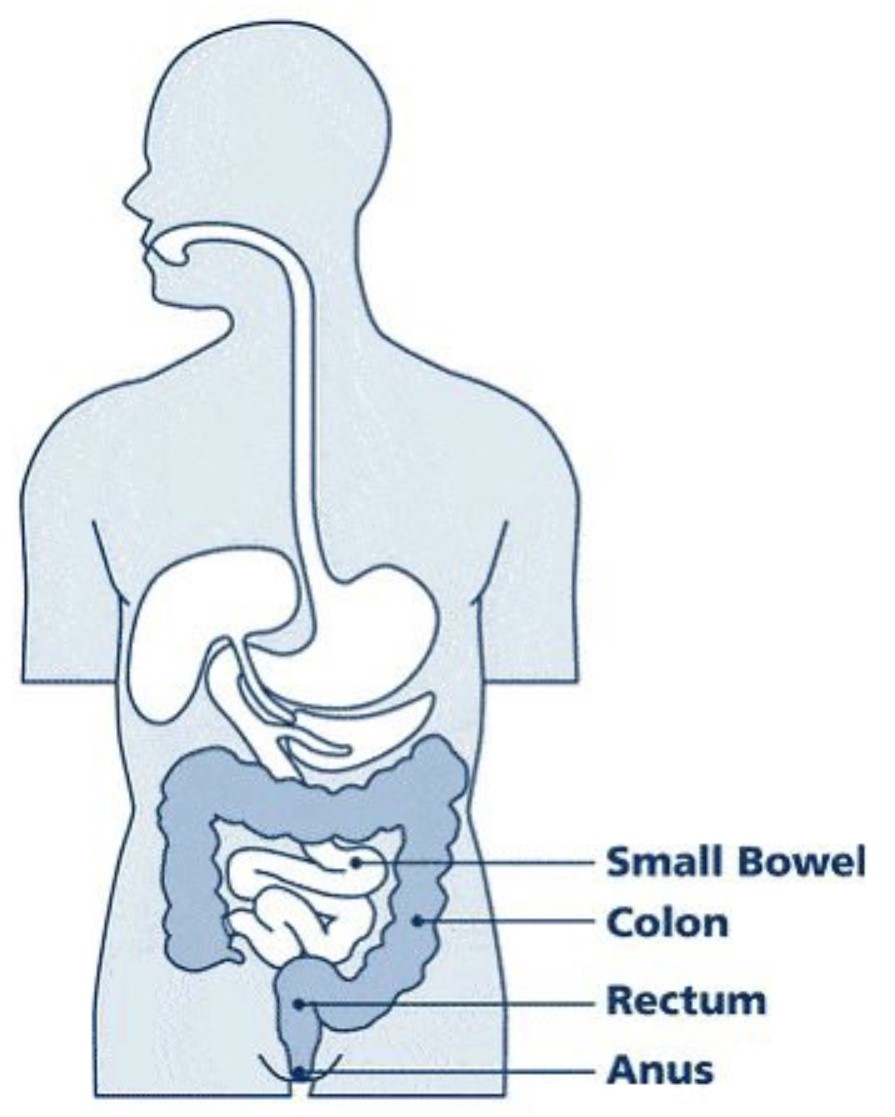
The large bowel is made up of the colon and the rectum. Most of the time, colon cancer is caused by cancer of the large intestine. Colon cancer is another name for cancer of the large intestine. It can start in the colon or the rectal part of the bowel, so it can be called either colon cancer or rectal cancer.
Cancer of the small intestine doesn’t happen to a lot of people.
The bowel is part of the system that breaks down food. The digestive system runs from the mouth to the anus. It breaks down food so that the body can use it as fuel. Also, it gets rid of parts of food that the body doesn’t need.
The long “tube” that absorbs water and nutrients from food and turns waste into feces is called the bowel (poo).
Bowel cancer usually doesn’t happen for a long time. Most of the time, it starts in the colon or rectum.
If you don’t treat bowel cancer, it can spread to the wall of the bowel. From there, it can move to nearby lymph nodes. Colon cancer can spread to the liver or lungs in the long run.
Bowel cancer’s warning signs and symptoms
Even if there are no signs, you can still get bowel cancer. So, it’s important to get checked out.
Some of the signs are:
You have blood in your poop, on the toilet paper, or in the toilet.
Changes in how you go to the bathroom (such as diarrhoea or constipation)
Feeling like you have to go to the bathroom more often or like you haven’t gone all the way.
Feeling full or bloated in the stomach or having a weird feeling in the rectum, especially when going to the bathroom.
Changes in the way your poop looks (such as thin stools).
mouth or stomach pain.
A bump in the wrong place.
You don’t know why you’re tired, have anemia, or are losing weight.
It hurts, cramps, or swells up in the stomach.
A stomach blockage.
Even if you have these signs, it doesn’t mean you have bowel cancer. You should talk to your doctor if you have any of these signs.
chance of getting bowel cancer
No one knows for sure what makes bowel cancer happen. Bowel cancer can happen without any signs, so it’s important to get checked out regularly.
Having bowel cancer is more likely if:
a minimum of 50 years old (risk increases with age).
Have an inflammatory bowel disease like Crohn’s or ulcerative colitis, especially if you have had it for more than 8 years.
Have had adenomas, a type of polyp, or a lot of polyps in the bowel in the past.
Have a lot of colon cancer or polyps in your family.
Are overweight or obese.
Eat a lot of red meat, especially red meat that has been cooked (such as salami, ham, bacon, sausages)
Tobacco-smoke
Drink a lot of liquor.