
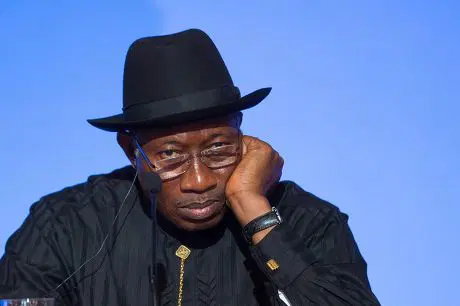
On March 31, 2015, Nigeria witnessed history in real time. For the first time since independence, an incumbent president lost re-election at the ballot box. Goodluck Jonathan, who had ascended to power after the death of Umaru Yar’Adua and won election in 2011, conceded defeat to Muhammadu Buhari even before the Independent National Electoral Commission (INEC) made the official announcement.
His phone call to Buhari at 5:05 pm that day — “I congratulate you on your victory” — was a defining moment of democratic maturity that helped prevent the post-election violence many feared. It earned Jonathan international acclaim as a statesman who placed national peace above personal ambition. Yet domestically, it marked the painful end of an era many PDP loyalists still regard as unfinished.

The 2015 Loss: A Perfect Storm
Jonathan’s defeat was the result of multiple converging crises. His administration faced intense criticism over the escalating Boko Haram insurgency, the Chibok girls’ abduction in 2014, widespread corruption scandals, and a struggling economy. Internal PDP divisions, particularly the powerful Northern bloc’s frustration with a Southern president after Yar’Adua’s death, weakened the party.
The opposition APC capitalised on these weaknesses with a powerful “Change” message. Buhari, a former military head of state with a reputation for discipline, emerged as the perfect contrast to Jonathan’s perceived weakness. The election was relatively peaceful, but the result was decisive: Buhari won with 54% to Jonathan’s 45%.
Jonathan’s graceful concession saved lives and strengthened Nigeria’s democratic credentials, but it also left many of his supporters feeling abandoned. For years after 2015, he largely stayed away from active partisan politics, focusing instead on international mediation, election observation, and his foundation.
The 2027 Question: Strategic Silence or Hesitation?
More than a decade later, Jonathan’s name is once again dominating political conversations. As Nigeria prepares for the 2027 general elections, support groups, factions within the PDP, and some regional leaders are actively pushing for his return. A faction of the PDP has already adopted him as its presidential candidate, with court rulings affirming his eligibility to contest again.
Yet Jonathan himself has maintained a studied silence — neither accepting nor rejecting the growing calls. This restraint has sparked intense debate: Is it the mark of a seasoned statesman carefully weighing his options, or political hesitation at a critical moment?
Unlike Ghana’s John Dramani Mahama, who successfully staged a comeback after losing power and won a non-consecutive second term, Jonathan has not actively campaigned or declared interest. His silence stands in contrast to the loud mobilisation happening around his name. Some analysts see wisdom in this approach — preserving his statesman image while allowing political forces to align naturally. Others worry it reflects the same perceived indecisiveness that haunted his 2015 campaign.
A Bridge or a Relic?
Jonathan’s potential return raises important questions about Nigeria’s political future. Supporters view him as a bridge-builder who can unify a fractured opposition and appeal across regional and religious lines. Critics argue the country needs fresh leadership rather than a return to familiar faces from the past.
Whether Jonathan eventually throws his hat into the ring or continues his quiet role as an elder statesman, his legacy remains complex. He is remembered for a peaceful power transition that strengthened democracy, yet also for the challenges that led to his defeat in 2015.
As 2027 approaches, the former president’s next move — or continued silence — could once again shape the trajectory of Nigerian politics in profound ways.
Source: Leadership.ng and various reports on Jonathan’s post-presidency activities.
What do you think? Is Jonathan’s silence strategic wisdom, or missed opportunity? Would you like to see him contest in 2027? Share your thoughts in the comment section.