

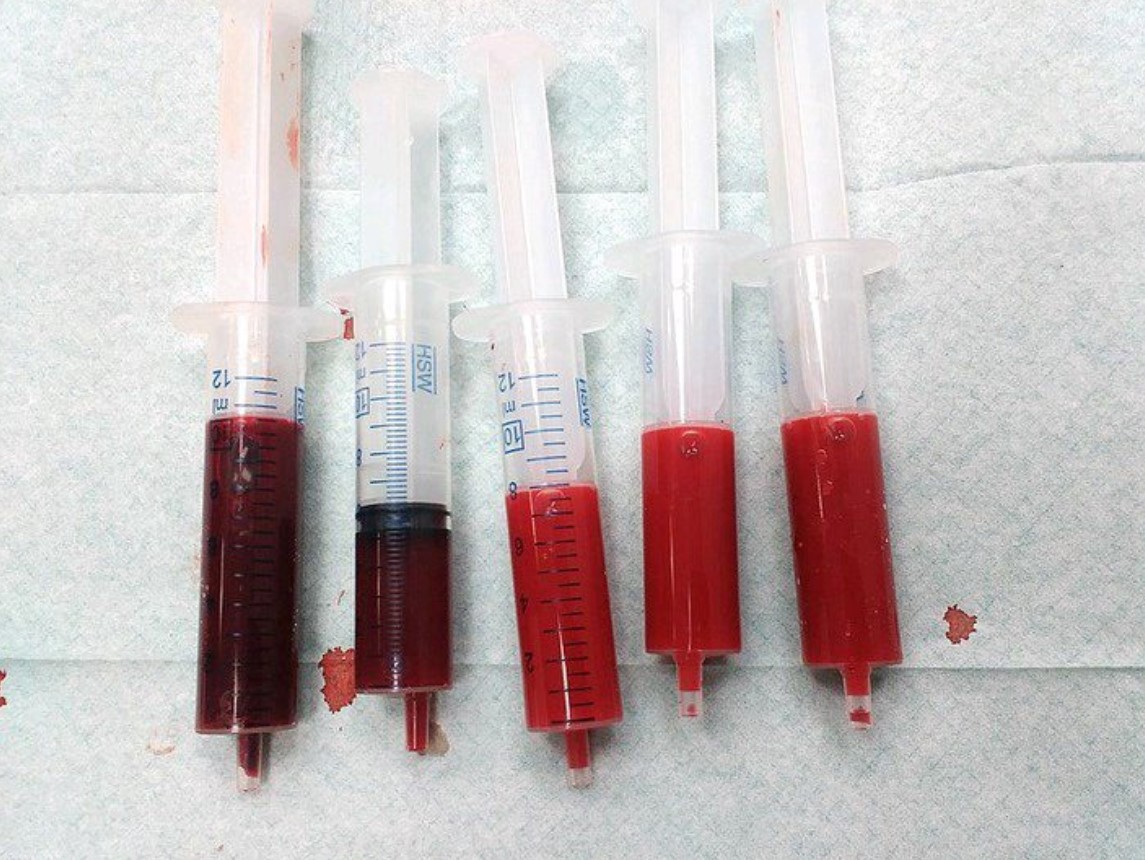
Claims that individuals with blood type O are immune to HIV infection or significantly protected from contracting or spreading the virus have circulated widely in public discussions. However, scientific research does not support the idea that blood type O provides immunity or reliable protection against HIV.
Studies and medical experts explain that HIV (Human Immunodeficiency Virus) is transmitted through specific bodily fluids, including blood, semen, vaginal fluids, rectal fluids, and breast milk. Infection occurs when these fluids enter the bloodstream or come into contact with mucous membranes. This transmission process is not determined by ABO blood groups, meaning that blood type does not prevent or significantly reduce the risk of infection.
Researchers have examined whether genetic factors may influence susceptibility to HIV. Some studies suggest that certain genetic traits can make individuals slightly more resistant or more vulnerable to infection, but these differences are unrelated to whether a person has blood type A, B, AB, or O. Instead, resistance is linked to other biological factors, such as specific mutations in immune system receptors like CCR5, which can affect how the virus enters cells.
The idea that blood type O is “rarely infected” or naturally protected is therefore misleading. While some individuals with certain genetic characteristics may experience slower disease progression or reduced susceptibility in specific contexts, this does not apply broadly to blood type classifications. Medical experts stress that no blood group provides immunity to HIV.
Health authorities continue to emphasize that HIV prevention depends on proven protective measures. These include consistent condom use, regular testing, limiting exposure to infected fluids, and use of preventive medication such as pre-exposure prophylaxis (PrEP) for those at higher risk.
Misunderstandings about blood type and HIV risk can create a false sense of security, which may lead to unsafe behavior. Public health researchers caution that believing in such myths can increase vulnerability to infection, regardless of a person’s blood group.
In summary, current scientific evidence confirms that blood type O does not protect against HIV. All individuals, regardless of blood type, remain at risk if exposed to the virus under the right conditions. Safe practices and awareness remain the most effective tools for prevention.