
10 Health Benefits of Amaranth Leaves That You Must Know
 Follow on Google News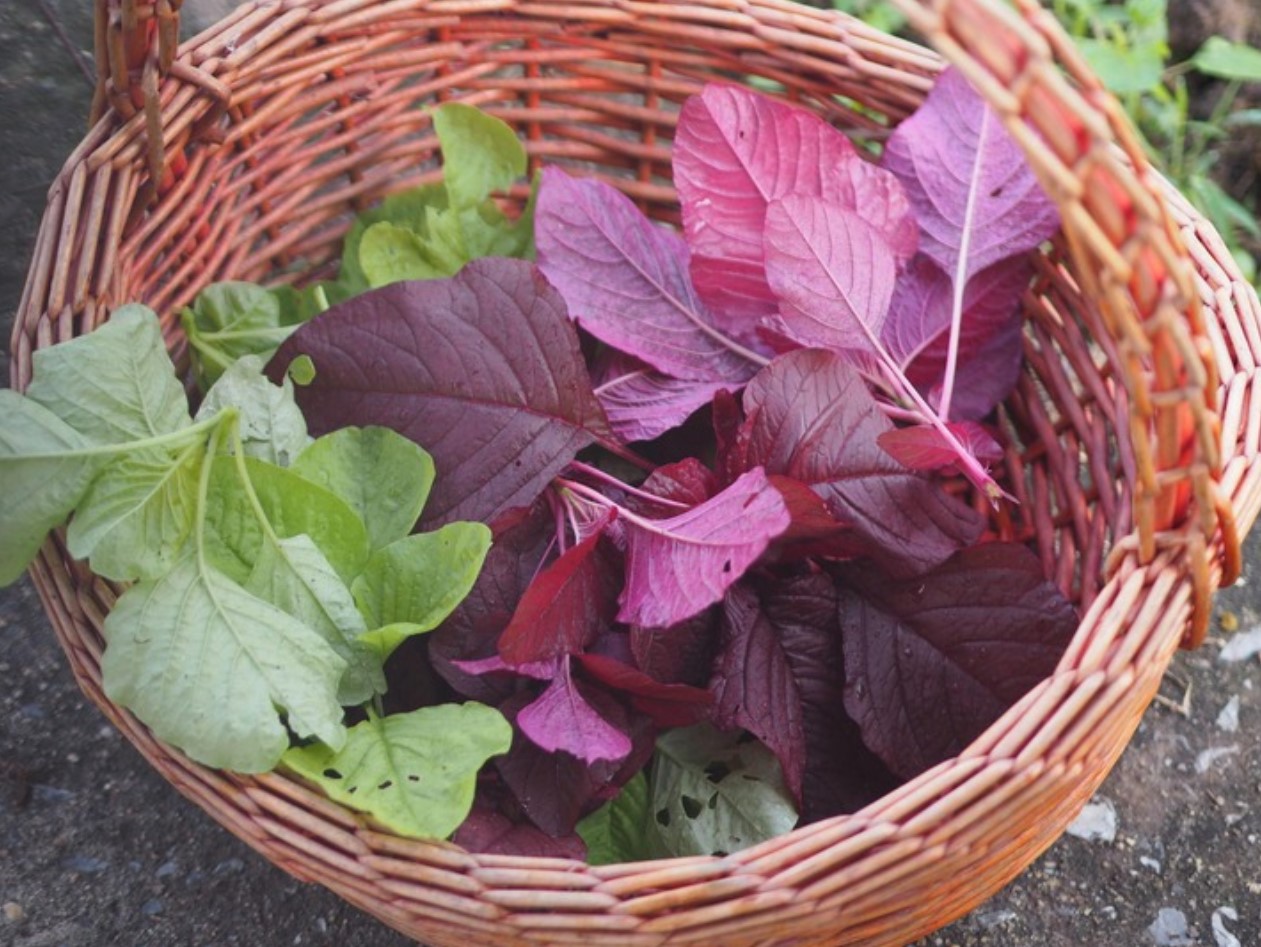
Amaranth leaves, commonly called “chaulai” in parts of Asia, are gaining attention as a nutrient-rich leafy green. Though often overshadowed by vegetables like spinach and kale, amaranth leaves are packed with vitamins, minerals, and antioxidants that support overall health.
The plant belongs to the genus Amaranthus and has been consumed for centuries in regions across Africa, Asia, and South America.
Here are 10 key health benefits associated with eating amaranth leaves:
1. Rich in Nutrients and Antioxidants
Amaranth leaves contain powerful phytonutrients and antioxidants that help reduce inflammation and protect the body from damage caused by free radicals.
2. Low in Calories
With only about 23 calories per 100 grams, these leaves are ideal for people aiming to maintain or lose weight while still getting essential nutrients.
3. High in Dietary Fiber
They provide both soluble and insoluble fiber, which supports digestion, helps control cholesterol levels, and promotes a feeling of fullness.
4. Supports Red Blood Cell Production
Amaranth leaves are a good source of iron, which is important for preventing anemia. Pairing them with vitamin C-rich foods improves iron absorption.
5. Boosts Immunity
They are rich in vitamin C, which helps the body fight infections, supports healing, and reduces oxidative stress.
6. Excellent Source of Vitamin A
Vitamin A in amaranth leaves supports healthy vision, skin, and immune function, while antioxidants like beta-carotene protect cells.
7. High in Vitamin K
Vitamin K plays a key role in blood clotting and bone health, helping to strengthen bones and support brain function.
8. Packed with B Vitamins
These leaves contain essential B vitamins such as folate, riboflavin, and niacin, which support energy production, brain health, and fetal development.
9. Good Source of Potassium
Potassium helps regulate heart function, maintain fluid balance, and support muscle activity.
10. Naturally Gluten-Free
While the leaves themselves are vegetables, the seeds of the amaranth plant can be used as gluten-free grains or flour, making them suitable for people with gluten intolerance.
In traditional practices, amaranth has been used to help manage conditions like ulcers, diarrhea, and inflammation of the mouth and throat, although more scientific research is needed to confirm these effects. Amaranth leaves are a highly nutritious and versatile addition to a balanced diet. While they offer many health benefits, they should be consumed as part of a varied diet rather than relied on as a single “superfood.”






Comments
0 comments