
5 Early Signs of Prostate Enlargement Every Man Should Never Ignore
 Follow on Google News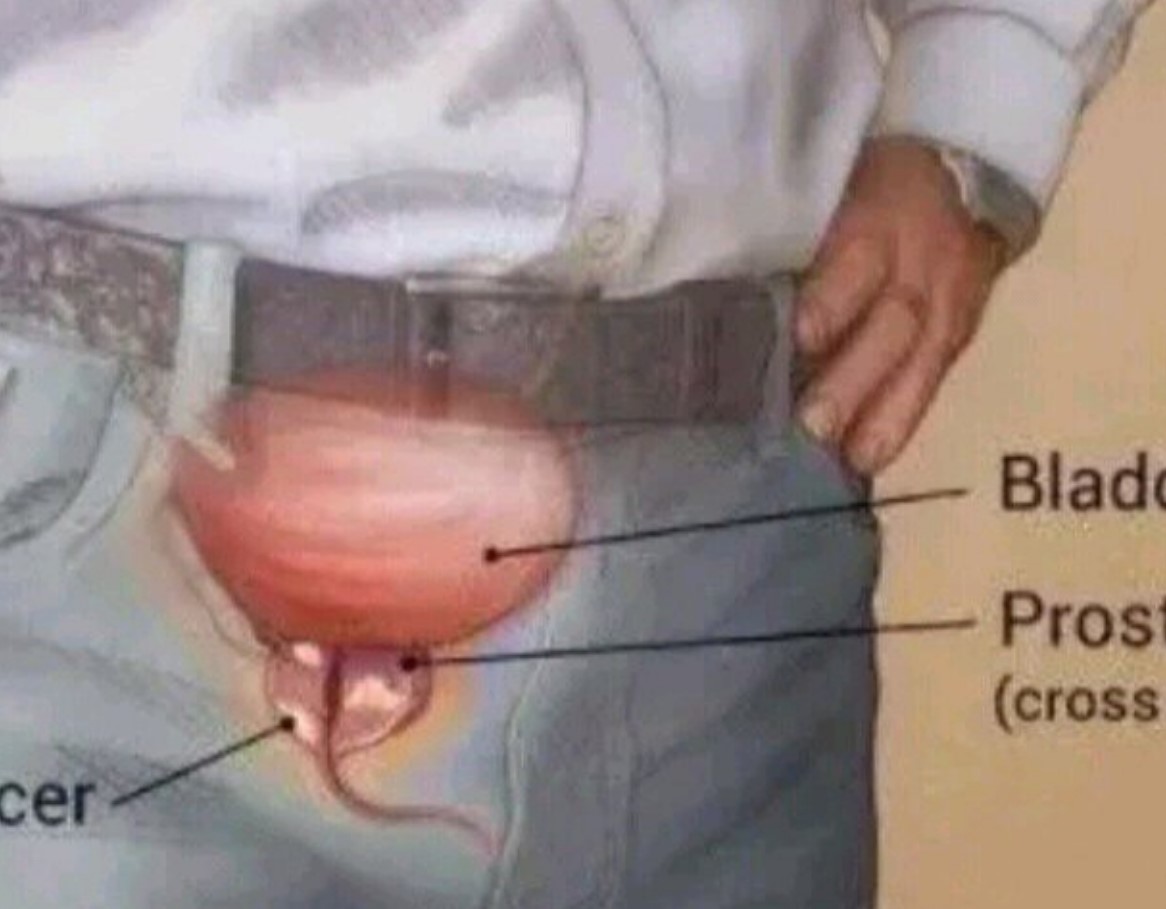
Many men experience changes in their urinary habits as they grow older, but not everyone realizes these changes could be linked to prostate enlargement. Also known as Benign Prostatic Hyperplasia (BPH), this condition becomes increasingly common with age and can quietly affect daily life if ignored.
One of the most overlooked warning signs is the feeling that the bladder never fully empties.
Feeling Like Your Bladder Isn’t Completely Empty
Have you ever finished urinating and still felt pressure or fullness afterward? That lingering sensation may be more than just discomfort. Some men also notice dribbling moments after leaving the bathroom or the sudden urge to urinate again shortly after.
Over time, incomplete bladder emptying can increase the risk of urinary tract infections, bladder stones, and interrupted sleep patterns. While many men dismiss these symptoms as “normal aging,” they can actually point to an enlarged prostate pressing against the urinary tract.
Another important sign many men experience is difficulty starting urination, weak urine flow, or frequent bathroom trips at night. These symptoms often develop gradually, making them easy to ignore until they begin affecting everyday life.
The good news is that prostate enlargement is common and highly manageable when detected early. Doctors may recommend lifestyle changes, medication, routine monitoring, or minimally invasive treatment depending on the severity of the condition.
Men over 50, especially those with a family history of prostate issues, are encouraged to schedule regular medical checkups. Early attention can make treatment simpler and help maintain long-term quality of life.
Too many men stay silent about prostate health because of embarrassment or fear. But paying attention to these early signals can make a major difference.
Have you or someone you know ever experienced any of these symptoms?
At what age do you think men should begin routine prostate screening?
Do you believe most men take prostate health seriously enough?
Health conversations save lives — and someone reading this today may decide to seek help because of it.






Comments
0 comments