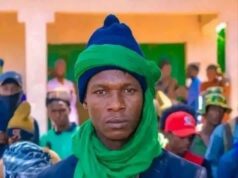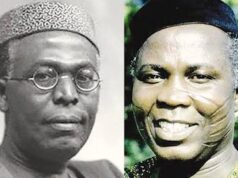

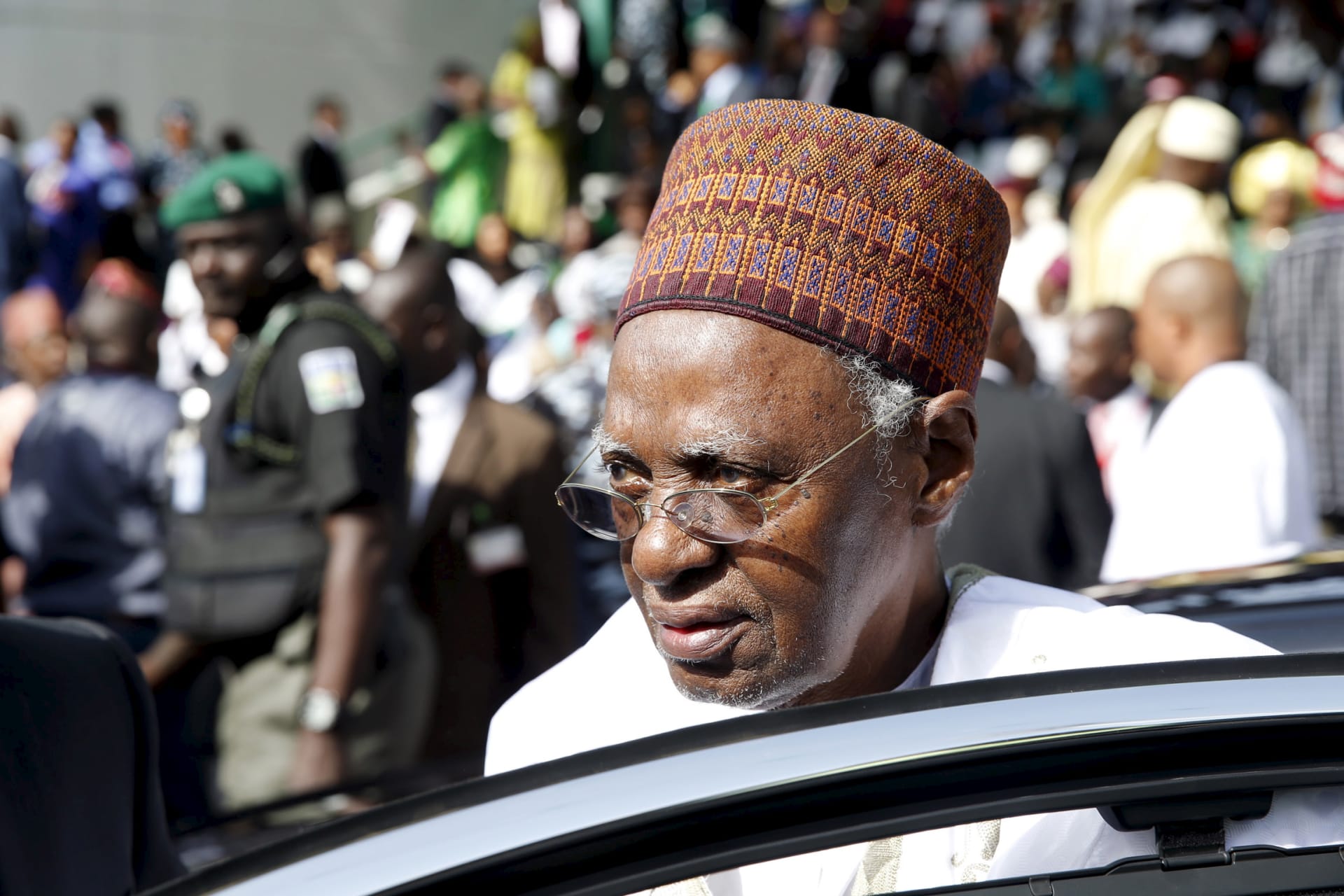
In 1983, tensions flared along the Nigeria-Chad border. Chadian troops crossed into Nigerian territory, prompting a strong military response. Major-General Muhammadu Buhari, then General Officer Commanding the 3rd Mechanized Armoured Division in Jos with responsibility for the Northeast sector, led Nigerian forces in routing the invaders. Buoyed by success, Buhari pursued the Chadians deep into their territory — reportedly over 50 kilometres beyond the border — defying directives from President Shehu Shagari to limit operations.
When informed of Buhari’s actions, Shagari ordered his Chief of Army Staff, Lieutenant-General Inua Wushishi, to instruct a withdrawal. Buhari’s reported response was defiant: “That is not my problem.” He did not immediately comply. What followed would accelerate the end of Nigeria’s Second Republic.
The Political and Military Backdrop
Nigeria in 1983 was reeling from economic decline, corruption scandals, and political violence under the civilian administration of President Shehu Shagari. The military, which had handed over power in 1979, watched with growing frustration. Senior officers sensed opportunity amid public discontent.
Transport Minister Umaru Dikko (a powerful figure and Shagari’s brother-in-law) reportedly pushed hard for Buhari’s punishment, urging his retirement from the army. Shagari reportedly agreed to act within six months. Word of this plan reached key military figures, including Major-General Ibrahim Babangida (Director of Army Staff Duties and Plans), Major-General Domkat Bali, Brigadier Ibrahim Bako, and Brigadier Sani Abacha.
The Key Players and Their Calculations
– Major-General Muhammadu Buhari: The field commander whose bold — some say insubordinate — pursuit of Chadian forces became a flashpoint. From Katsina Division, he was seen as a principled but uncompromising officer.
– President Shehu Shagari: The civilian leader trying to assert authority over the military while navigating internal politics, including divisive debates over creating new states from old Kaduna (Zaria vs. Katsina divisions).
– Major-General Ibrahim Babangida: A central figure who allegedly reacted strongly to the retirement threat, reportedly telling Buhari he would rather overthrow the government than allow his exit from the army.
– Umaru Dikko and Other Civilians: Viewed by some officers as overreaching in military affairs.
The officers saw the retirement move not just as a personnel decision but as a dangerous precedent that could undermine military cohesion and their own positions.
The Critical Plot That Changed History
News of the impending retirement spread among senior officers, who became “incandescent with rage.” Babangida and others rallied support. The Chadian border incident provided both pretext and momentum. On December 31, 1983, the military struck. Buhari emerged as Head of State, promising to restore discipline and tackle corruption.
The coup was swift and relatively bloodless, reflecting careful planning and widespread military buy-in. Shagari’s government fell, marking the end of the Second Republic and the beginning of another extended period of military rule.
The Consequences and Long Shadow
Buhari’s regime (1983–1985) launched the War Against Indiscipline and detained many politicians. However, internal military rivalries led to his own overthrow by Babangida in the 1985 palace coup. Babangida’s longer rule introduced structural adjustment and a complicated transition programme that ended in the annulled June 12, 1993 election.
The 1983 events highlighted the military’s willingness to intervene when it perceived civilian overreach or weakness. They also underscored ethnic and divisional politics within the army and the fragility of Nigeria’s young democracy.
Why This Story Still Resonates
Decades later, Nigeria’s return to civilian rule since 1999 has held, partly due to reforms and lessons from past interventions. Yet the 1983 coup remains a cautionary tale about civil-military relations, the dangers of politicising the military, and how personal ambitions and policy disputes can cascade into regime change.
The reel captures the drama and intrigue of those months — from a border clash to whispered plots and a midnight takeover. It reminds us that in Nigeria’s history, the line between duty, insubordination, and ambition has often been razor-thin.
As with many chapters in the country’s military-political past, the full story involves layers of loyalty, grievance, and power calculation that continue to shape how Nigerians view leadership and governance today.