

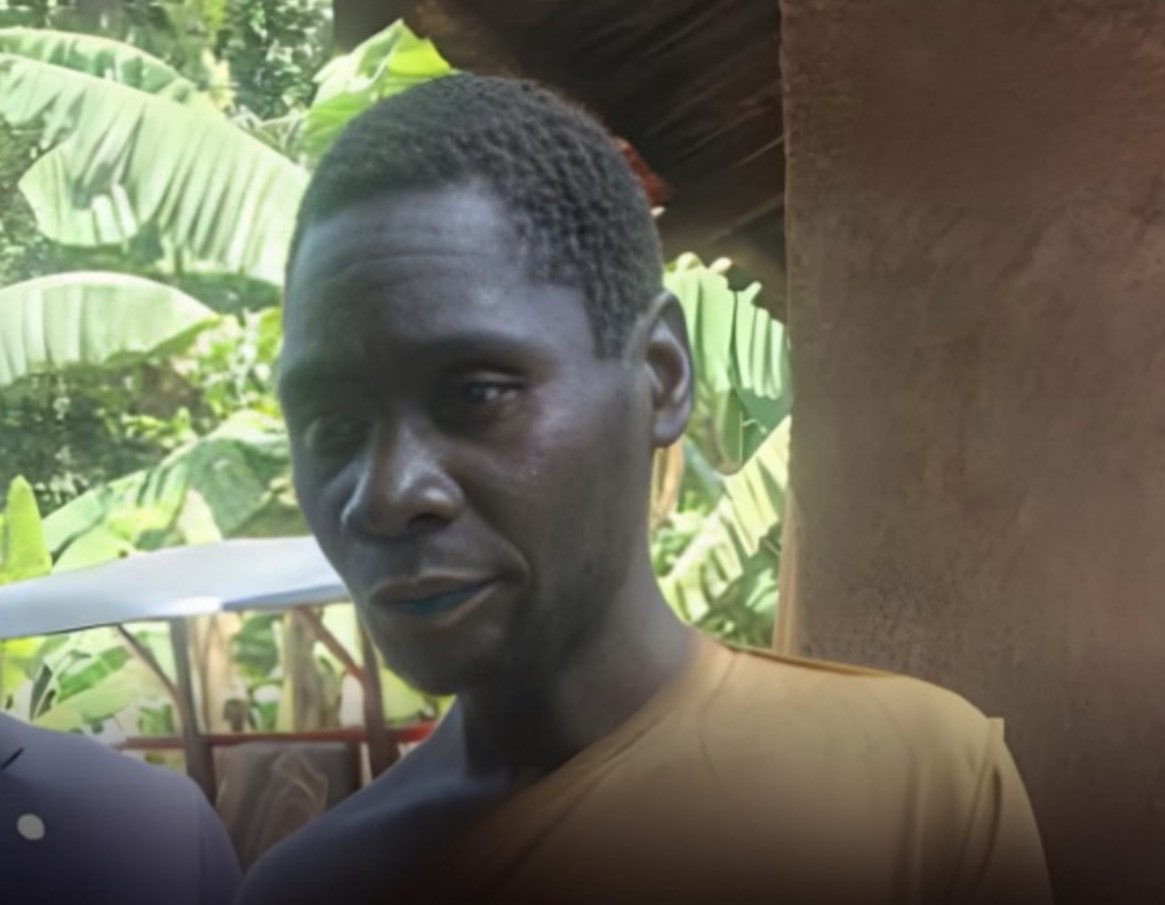
Residents of Kijura Central Cell in Uganda are still struggling to come to terms with a bizarre turn of events after a man believed to have been dead and buried resurfaced alive just two days later.
The man, identified as Godwin Baguma, had reportedly gone missing for several weeks, leaving his family anxious and uncertain about his whereabouts. When a badly decomposed body was discovered in a nearby sugarcane plantation, relatives were called upon to help identify the remains. Due to the condition of the body, the identification process proved difficult, and the family relied largely on assumption and circumstantial details.
Convinced it was their missing kin, they proceeded with burial arrangements. Friends, neighbors, and relatives gathered to mourn, offering condolences and paying their final respects in what was believed to be Baguma’s funeral. The burial went ahead, marking what many thought was a tragic end to a distressing disappearance.
But just as the family began preparing for final rites, rumors started circulating that Baguma had been spotted alive in a nearby village. Initially dismissed as hearsay, the claims persisted, prompting relatives to investigate further.
What they discovered left them stunned—Baguma was alive, reportedly staying with a friend and completely unaware that he had been declared dead and buried. His unexpected return threw the family into confusion, turning grief into disbelief within moments.
Authorities later confirmed that the body buried did not belong to Baguma. Investigations are now underway to establish the identity of the deceased individual, while also examining how the misidentification occurred.
The family has since been forced to exhume the grave, reopening emotional wounds in the process. The incident has ignited conversations within the community about the risks of rushed identification and the need for more reliable verification procedures, especially in cases involving