

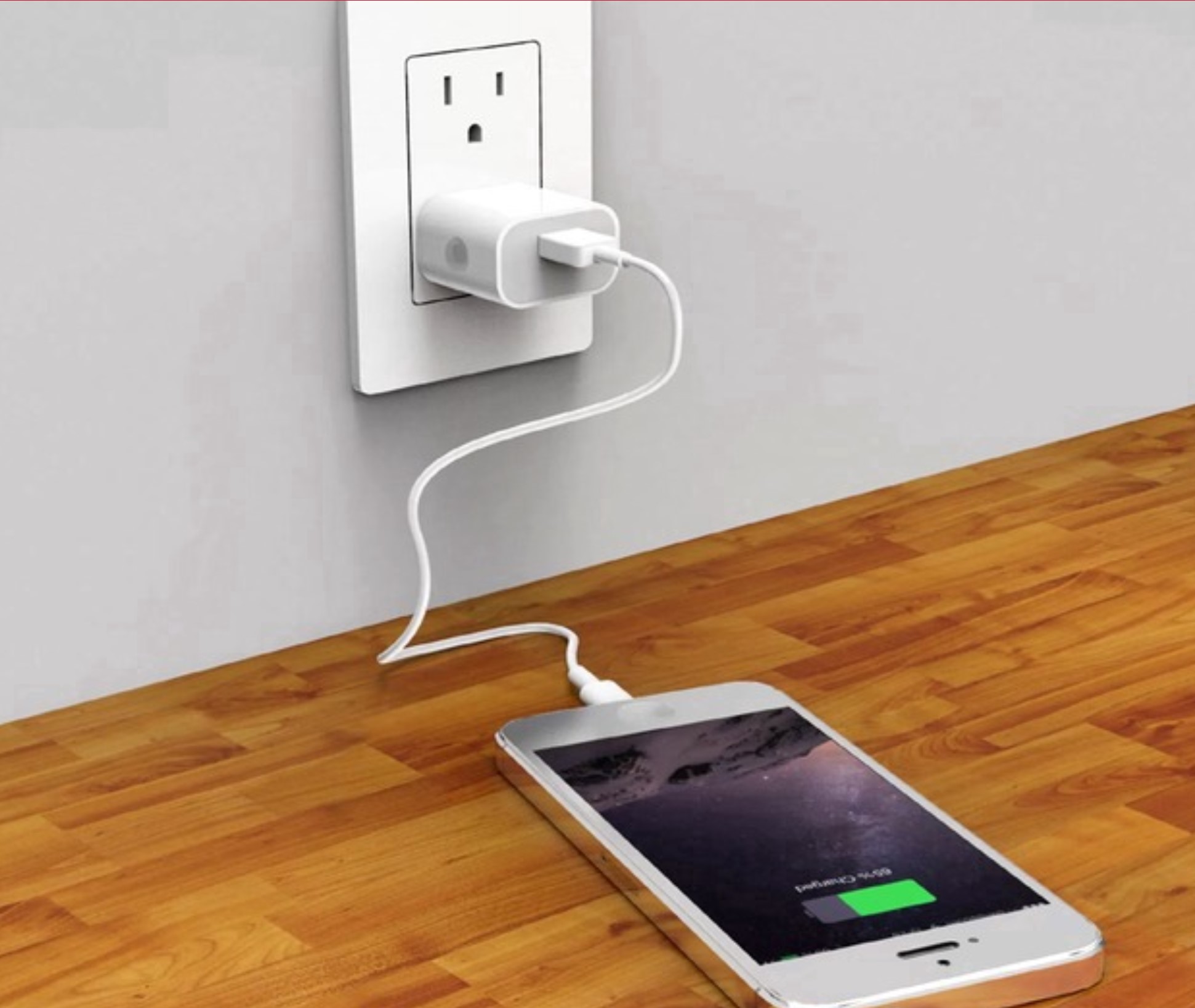
In an era where smartphones play a central role in communication, work, and entertainment, technology experts are drawing attention to everyday charging habits that may be quietly damaging device batteries. Many users, according to industry guidance, unknowingly shorten battery lifespan through routine practices that seem harmless but can gradually affect performance and safety.
One commonly highlighted issue is overnight charging. Although modern smartphones are designed with systems that stop charging once the battery reaches full capacity, experts note that leaving devices plugged in for extended periods can still generate excess heat. Over time, this heat buildup is linked to reduced battery efficiency and slower long-term performance. Specialists often recommend unplugging devices once they reach around 80 to 90 percent charge to help maintain battery health.
Another concern involves the use of low-quality or counterfeit charging accessories. Reports indicate that unregulated chargers may lack proper voltage control and safety mechanisms. This can result in overheating, unstable charging, and potential damage to internal components. For this reason, manufacturers and tech analysts consistently advise using original or certified charging equipment.
Operating a phone while it is charging is also identified as a contributing factor to battery strain. Activities such as gaming, video streaming, or using demanding applications increase internal temperature, which can slow charging speed and place additional stress on the battery system. Reducing screen brightness or activating low-power modes during charging is often suggested as a way to minimize heat generation.
Charging through laptops or desktop USB ports is another practice that may affect efficiency. These ports generally supply lower power output compared to wall adapters, leading to slower charging times and, in some cases, inconsistent energy delivery. Experts recommend wall chargers or reputable power banks for more stable performance.
Battery drainage habits are also under scrutiny. Allowing lithium-ion batteries to fully discharge to 0 percent on a regular basis can reduce their overall lifespan. Technical guidance suggests maintaining charge levels between 20 and 80 percent for optimal battery longevity.
Safety risks are also emphasized in charging practices. Placing phones under pillows, blankets, or other soft surfaces can trap heat and increase the risk of overheating. Devices should be charged on hard, ventilated surfaces to allow proper heat dissipation.
Additionally, software updates play a role in battery efficiency. Manufacturers often release updates that improve power management systems and optimize charging performance, making regular updates important for maintaining device health.
Overall, experts stress that consistent, mindful charging habits can significantly extend smartphone battery life while also improving safety and performance over time.