

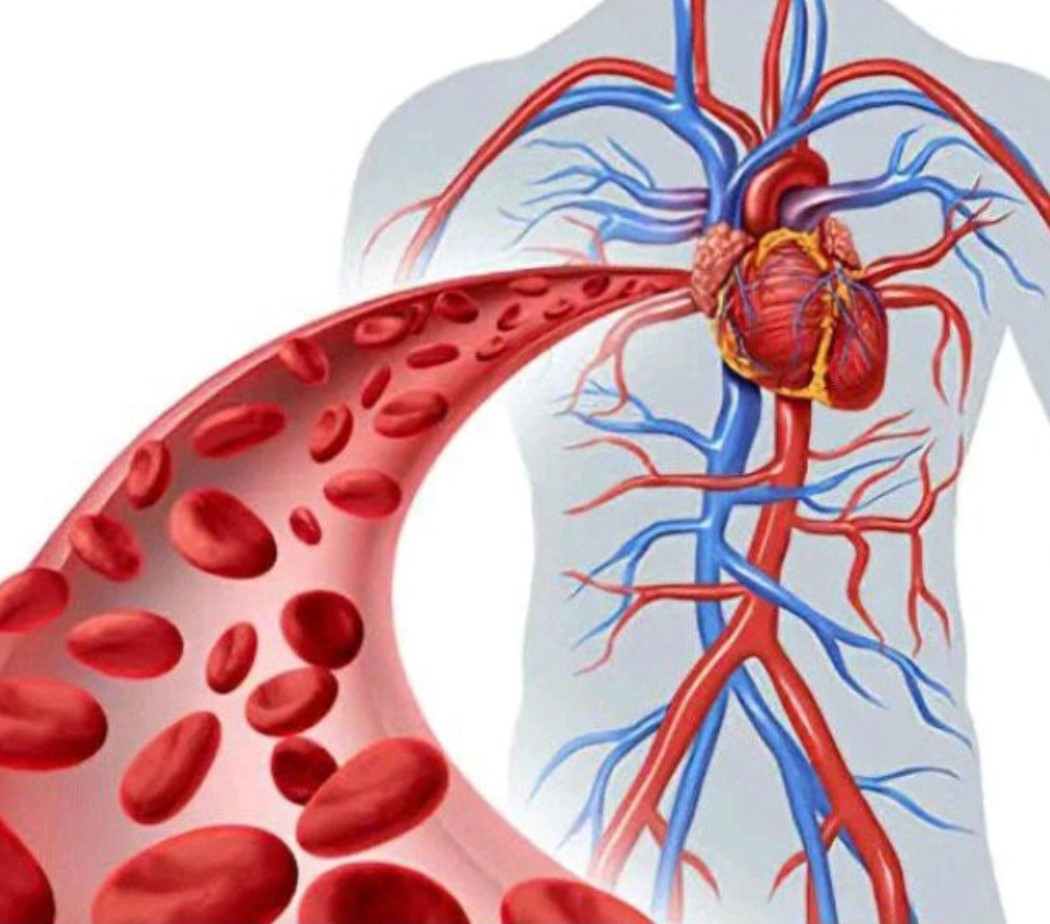
Poor blood circulation is a medical condition that occurs when blood flow is restricted or reduced in certain parts of the body. This can prevent oxygen and essential nutrients from reaching tissues effectively.
Health experts note that circulation problems may develop due to underlying conditions such as diabetes, unhealthy dietary habits high in saturated fats, or other cardiovascular-related issues. When left unaddressed, reduced circulation may lead to noticeable symptoms that should not be ignored.
One of the common warning signs is a tingling or burning sensation in parts of the body. This feeling, often described as “pins and needles,” may occur when blood supply to a specific area is reduced. In some cases, it can affect the face, arms, hands, legs, or feet. Medical professionals advise that persistent tingling should be assessed promptly, as it may signal an underlying circulation problem.
Another symptom linked to poor blood flow is weakness in the legs, especially during walking or physical activity. This may occur when muscles are not receiving enough oxygen-rich blood to function properly. Over time, this can affect mobility and overall physical endurance, making everyday activities more difficult.
Cold hands and feet are also commonly associated with reduced circulation. When blood flow is restricted, the extremities may not maintain normal body temperature, resulting in persistent cold sensations. If this condition continues over time, it may indicate an ongoing circulation issue that requires medical attention.
Visible changes in veins can also be a sign of poor circulation. In some cases, veins may become enlarged or twisted, a condition commonly referred to as varicose veins. These are most frequently seen in the legs and may cause discomfort, swelling, or heaviness in the affected area. Varicose veins develop when blood does not flow efficiently back to the heart, causing pressure to build within the veins.
Health sources emphasize that circulation issues can occur anywhere in the body and may present in different forms depending on the severity and cause. Because blood flow is essential for delivering oxygen and nutrients throughout the body, any disruption should be taken seriously.
Medical experts recommend seeking professional evaluation if these symptoms persist, as early diagnosis and treatment can help prevent complications and improve overall vascular health.