

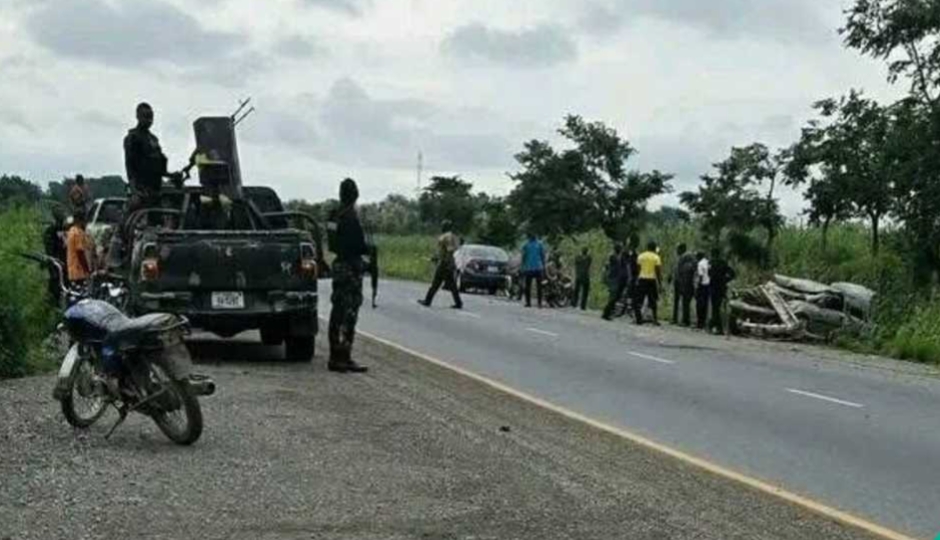
In the hills of Kabba/Bunu Local Government Area, Kogi State, where schools should be safe havens for young dreams, terror nearly struck again. A ruthless bandit leader, Kachala Ibrahim Batijo, had meticulously planned a mass abduction of students — targeting them during their crucial WAEC examinations. But in a stunning turnaround, security forces turned the hunter into the hunted, confirming his elimination in a fierce operation that has brought relief mixed with lingering questions.
This is a story of intelligence triumph, shocking violence, and emotional relief for families who almost lost everything.
The Sinister Plot That Targeted Innocent Students
For weeks, intelligence reports painted a chilling picture. Batijo, a notorious bandit kingpin, was coordinating large-scale attacks aimed at schools across Kogi State. His eyes were fixed on Government Secondary School (GSS) Iluke in Iluke Bunu — specifically during the West African Senior School Certificate Examination (WAEC).
Commissioner for Information Kingsley Fanwo revealed the state government acted swiftly. Schools were shut for over three weeks as a precaution. Students were relocated from remote areas to safer zones in the heart of Iluke town. High-tech surveillance monitored Batijo’s every move.
But the bandit refused to be denied. On June 10, he struck with overwhelming force — about 100 terrorists on 40 motorcycles descended on the community, guns blazing, determined to kidnap students and wreak havoc.
The Bloody Showdown: From Attack to Justice
What followed was a fierce battle. Local vigilantes formed the first line of defence, backed by military, police, and DSS operatives. Gunfire echoed through the area as security forces engaged the invaders. The attackers killed three people in cold blood: the school’s Vice Principal, a 70-year-old resident, and a six-year-old child. But they failed in their main goal — not a single student was abducted.
In the chaos, Batijo and many of his men met their end. Security forces neutralised the kingpin and over 15 terrorists. More bodies were discovered in follow-up operations, including the exhumation of Batijo’s secretly buried remains for forensic confirmation. The once-feared bandit leader, who had terrorised communities and planned school raids, was gone.
The mystery lingers: Who funded and armed this network? How many more Batijos are still operating in the shadows across Kogi and neighbouring states?
Emotional Confrontation: Relief, Grief, and a Community Scarred
For parents and students in Iluke, the news brought tears of relief mixed with profound sorrow. Families who had lived in fear for weeks could finally breathe — their children were safe. Yet the emotional wounds run deep. The vice principal who dedicated his life to education, the innocent child caught in the crossfire, and the elderly resident — their deaths represent lives brutally cut short by banditry.
Commissioner Fanwo described the operation as a major breakthrough, crediting coordinated intelligence and the bravery of local security networks. But the confrontation with reality is painful: even with proactive measures, bandits still breached the community, leaving blood on the ground.
This victory forces a raw emotional reckoning — how many more children must face this terror before banditry is completely eradicated in Nigeria?
A Turning Point or Temporary Relief?
The Kogi State Government, under Governor Ahmed Usman Ododo, hailed the elimination of Batijo as a significant win in the fight against insecurity. Scientific verification of his identity continues, underscoring the thoroughness of the response.
Yet suspense remains. Bandit networks often fragment and regroup. The people of Kogi are celebrating this success, but they demand sustained pressure to ensure no other kingpin rises to fill the void.
This dramatic takedown in Kogi shows what is possible when intelligence, community vigilance, and security forces align. It is a message to bandits: your reign of terror is being dismantled.
What do you think — is this the beginning of the end for school attacks in the region? Share your thoughts below and let’s keep the conversation going.