
Both during and after the era of colonialism, many African states have been identified as having some of the worst leaders the world has ever seen.
This is true for both of these time periods. African tyrants can be among the wealthiest people in the world, even though they rule over some of the poorest people on the continent. They are completely unaccountable for the deaths of their people, who they starve to death while they enrich themselves.
They use the land and the lives of millions of people as their personal playgrounds, forcing people to work in order to increase the wealth of their leaders and threatening them with brutal retaliation if they don’t. They use the land and the lives of millions of people as their personal playgrounds.
Many of these dictators rose to power as a direct result of military coups, and some of them managed to remain in power as a direct result of proxy wars fought throughout the Cold War. In spite of the fact that there was clear evidence of corrupt practices, that inflation was increasing, and that humanitarian organizations were unable to carry out their missions, these leaders were able to remain in power as a result of the strict enforcement that the regime carried out. Regrettably, this list is by no means exhaustive; there have been many additional African presidents who, depending on the criteria you use, can be judged to be just as terrible or even worse than those on this list.
1. (Francisco Macias Nquema) President of Equatorial New Guinea.
Franciso Macias Nguema served as Equatorial Guinea’s first president, and he served as a poor model for all of the presidents who followed in his footsteps. In 1964, he was given the position of deputy prime minister, and four years later, in 1968, he was elected president in the only free election that the country had ever had. In 1971, Macias Nguema issued a decree that granted him full control over the institutions of the government. This gave him absolute power. On October 18, 1971, he made the statement that any individual who posed a threat to the president or the administration would be put to death. Insulting the president or any member of his cabinet can result in a penalty of thirty years in prison. During his rule, he was responsible for the deaths or exiles of almost one third of the country’s inhabitants.
2. Nigeria (General Sani Abacha).
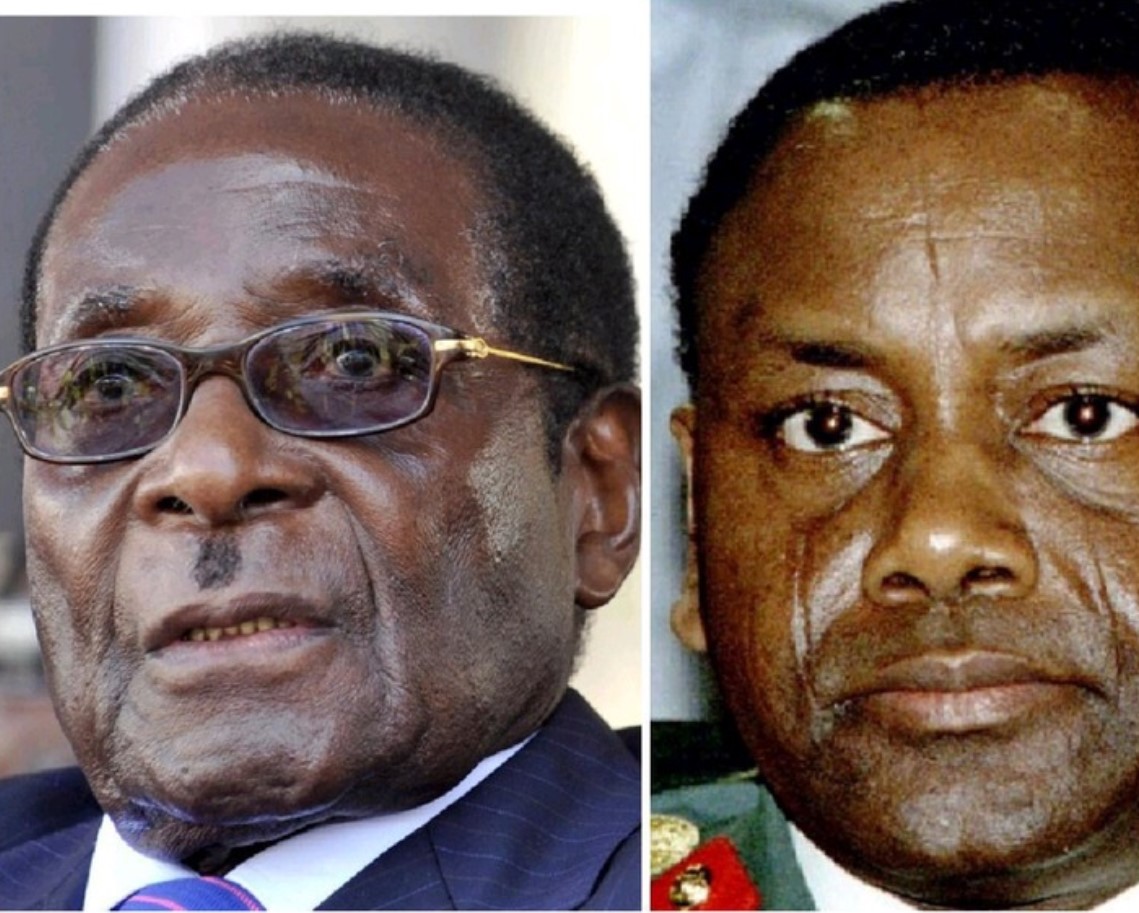
Although General Sani Abacha was only in charge for a total of five years, during that time he presided over a secretive and repressive administration that was responsible for Nigeria’s descent into poverty. He assumed control of the government through a military coup on November 17th, 1993. The following year, he issued a decree that granted him total authority by elevating the jurisdiction of his government above that of the judicial system. In addition to that, he signed an order that gave him the authority to hold anyone for a period of three months without charging or trying them.
On the surface, it appeared as though Abacha’s presidency was a very successful one. It is expected that he will be successful in increasing the country’s foreign exchange reserves to a total of $9.6 billion by the middle of 1997. He reduced the country’s overall debt by $9 billion and brought the inflation rate down from 54% to 8.55% during his tenure as president.
Sani Abacha is considered to be one of the most corrupt leaders in the annals of world history because of the clear amount of money he stole from his own country.
3. Robert Mugabe, the current President of Zimbabwe
Mugabe maintains his hold on the presidency despite widespread allegations of electoral fraud and corruption. Allegations have been made that Mugabe constructed torture camps in order to exact revenge on anyone who voted for his opponent in either the 2002 or 2008 elections. Because he has brought a nation that was once affluent to the brink of ruin, many people believe that Mugabe’s continuing rule is based purely on fraud and corruption. Zimbabwe, which has an unemployment rate of about 70 percent, has the highest unemployment rate of any country in Africa. It is incredible that he has a net worth of $10 million in a country where the GDP per capita is only $953, even though his personal income may appear to be on the lower end when compared to that of some of Africa’s other tyrants. According to estimations, the country’s corruption costs it one billion dollars annually out of its total GDP of thirteen billion dollars.
His primary motivation for engaging in corrupt behavior is the desire to amass more power and win elections through unfair means so that he can remain in power indefinitely.
4. Equatorial New Guinea (Tedodoro Obiang Nguema Mbasogo).
You might recognize the name Teodoro Obiang Nguema Mbasogo because he succeeded his uncle Francisco Macias Nguema as President of the Republic of Congo in 1979. Teodoro Obiang Nguema Mbasogo was Francisco Macias Nguema’s nephew. He has ruled with an iron fist and holds the record for longest-serving president in the world. He also holds the record for longest-serving leader in Africa. He started off on the right foot by announcing that he would put an end to the oppression that his uncle had been imposing. Political prisoners were set free, and the system of forced labor that the government had in place was dismantled.