

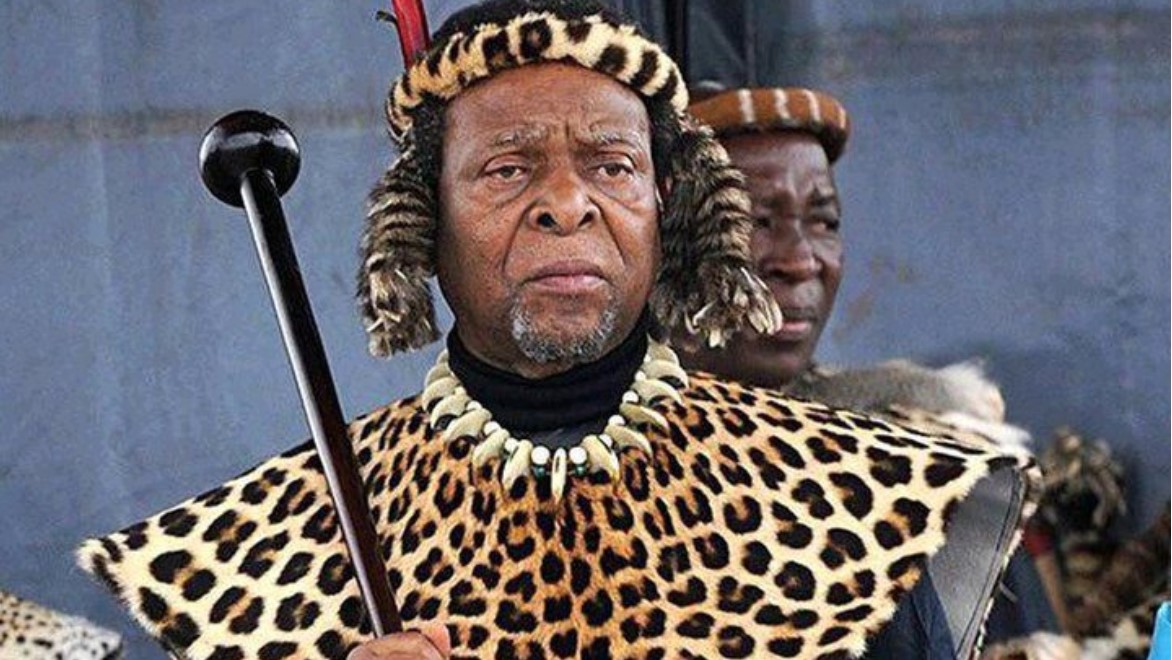
A cultural discussion circulating online has explored the funeral traditions of the Zulu monarchy, focusing on how deceased kings are laid to rest and the symbolic meanings attached to royal burial practices. The article examines long-standing customs within the Zulu royal household and how these practices reflect beliefs about leadership, ancestry, and continuity of the monarchy.
The report explains that among the Zulu people, death rituals for kings are highly sacred and are conducted with strict privacy and cultural protocols. In many cases, royal funerals are not widely open to the public, and access is limited to close family members, trusted royal officials, and selected traditional leaders. This level of secrecy is described as part of preserving the dignity and spiritual significance of the monarchy.
The article highlights the use of the term ukutshalwa, which is sometimes translated as “planting” in reference to the burial of a king. This symbolic wording is said to reflect cultural beliefs about continuity, suggesting that the king’s legacy is not considered to end with death but instead transitions into the ancestral realm. In this context, the term is used to emphasize spiritual succession rather than a literal interpretation of burial practices.
It further notes that in Zulu royal tradition, euphemisms such as ukukhothama are used instead of direct references to death. These expressions are intended to convey respect and preserve the dignity of the monarch, reinforcing the idea that the king remains part of the royal lineage even after passing.
According to the report, royal funerals are often marked by controlled ceremonies that include selected traditional rites, singing, and communal mourning practices. However, specific details of these rituals are rarely made public, and burial locations of Zulu kings are traditionally kept confidential. This practice is described as part of safeguarding sacred royal customs from public exposure.
The article also references the passing of King Goodwill Zwelithini kaBhekuzulu, noting that his funeral reflected many of these traditions, including limited public access and strong emphasis on cultural protocol. His death was widely regarded as a significant moment for the Zulu nation, highlighting the importance of preserving royal heritage.
In conclusion, the discussion emphasizes that the concept of “planting” a king is symbolic, rooted in cultural language and spiritual beliefs rather than a literal departure from burial practices. It reflects the deep respect accorded to Zulu monarchs and the enduring role of ancestral tradition in royal succession.