
Living independently requires having essential household and garden tools available at home, as relying on neighbours for frequent borrowing may not always be convenient. Some everyday items are considered better kept personally due to their regular use and practicality.
While larger household appliances such as refrigerators, televisions, and beds are often expensive to purchase, the article highlights smaller tools and basic items that are commonly needed and therefore recommended to be owned individually rather than borrowed.
Below is a list of seven commonly mentioned items that are suggested to be kept in one’s own home:
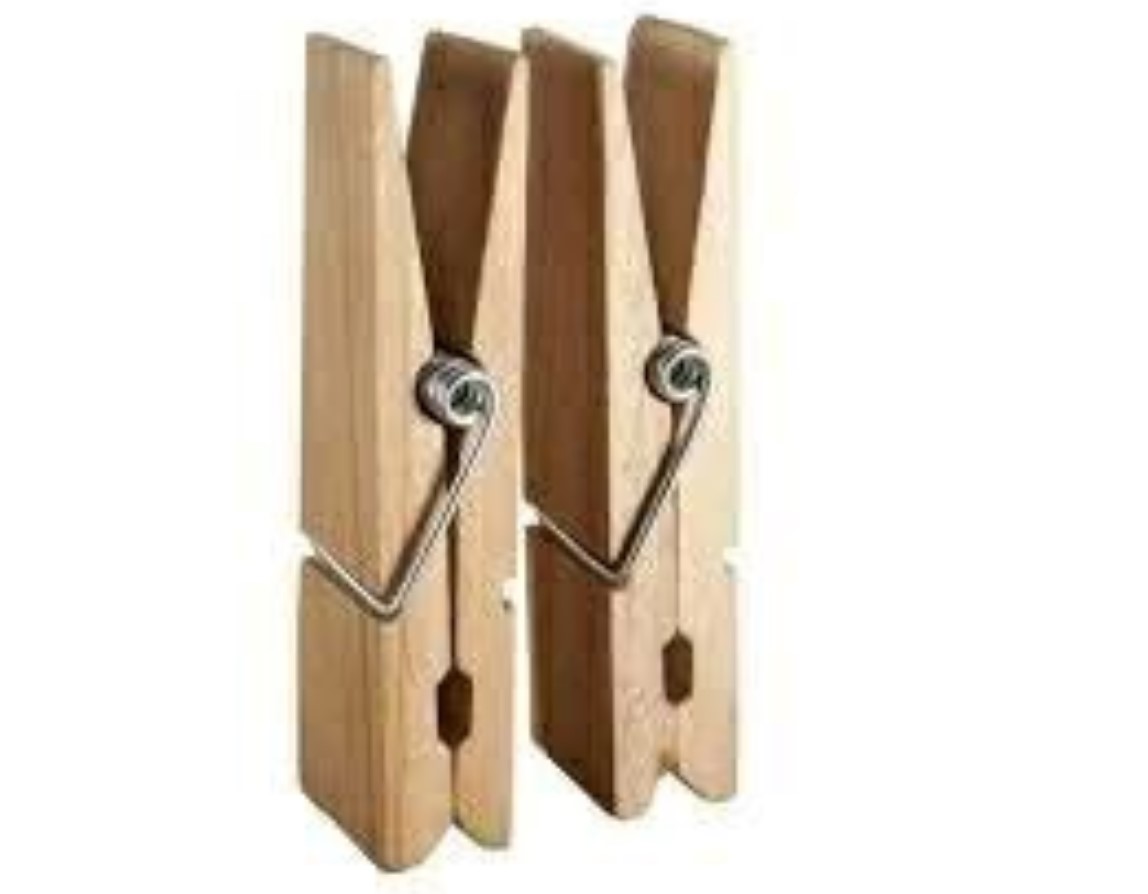
1. Clothes pegs
Clothes pegs are inexpensive household items used for hanging laundry. They are widely available in stores and typically sold in packs at low cost, making them easy to purchase and keep at home.
2. Wheelbarrow
A wheelbarrow is often used in gardening, cleaning, or light construction tasks. It is described as a durable tool that can last several years when used for basic household or garden purposes.
3. Brush
A brush is a common cleaning item used for various household tasks. It is generally considered a personal-use item due to hygiene preferences and frequent daily use.
4. Shovel
A shovel is a tool used for gardening, digging, or construction-related work. It is described as durable and essential for outdoor maintenance activities.
5. Hammer
A hammer is a basic tool used for repairs and small construction tasks around the home. It is commonly kept as part of a standard household toolkit.
6. Screwdriver
Screwdrivers are used for tightening or loosening screws in household fixtures and appliances. Having a personal set is often considered useful for handling minor repairs without external assistance.
7. Frying pan
A frying pan is a kitchen utensil used for cooking. It is typically considered a personal household item used daily in food preparation.
The article emphasizes the importance of self-sufficiency by maintaining access to frequently used tools and household items. It suggests that having these items readily available can reduce the need to borrow from others for routine tasks.