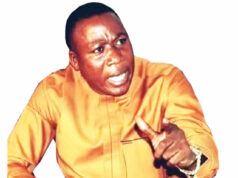

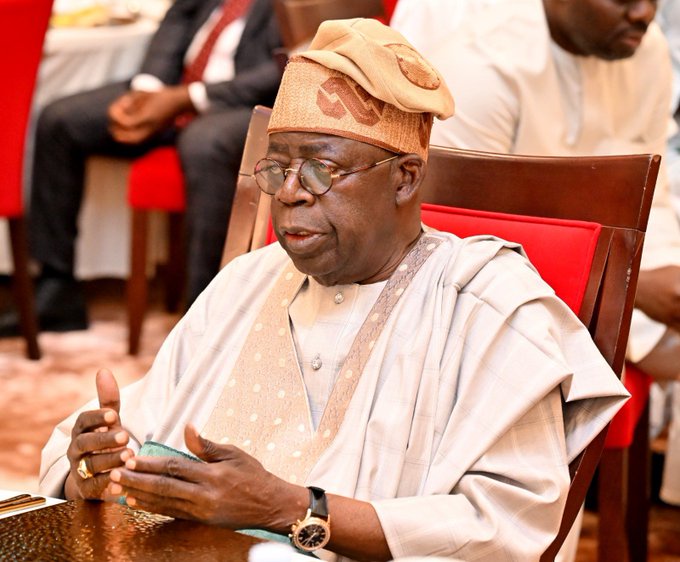
Former President of the Christian Association of Nigeria (CAN), Pastor Ayo Oritsejafor, has strongly criticised President Bola Tinubu’s administration, saying the president has failed Nigerians and should not seek re-election in 2027.
He made the comments during an appearance on Channels Television’s Politics Today programme in Abuja.

“This government has done more harm than good”
Oritsejafor gave a blunt assessment of the current administration, saying Nigeria is moving backwards rather than forward.
“Instead of going forward, we seem to be going backwards. Instead of solving our problems, we seem to be creating more problems. The government of Mr President has done more harm to this nation than this nation has ever experienced.”
He further warned the president against contesting again:
“One thing I can say categorically is that he should not begin to dream of coming back to continue this same mess. I don’t think he can do better than this. This is the best he can do.”
What he would tell Tinubu directly
When asked what he would say if he met the president, he responded:
“I will tell him he has failed, and he should either step aside, not stand for another election, or bring in people who have the capacity to bring change to Nigeria.”
He also aligned partly with opposition voices calling for leadership change ahead of 2027.
“Nigerian elections are fake”
Oritsejafor also dismissed recent election outcomes, describing the electoral process in Nigeria as flawed.
“The truth is that elections in Nigeria are not free and fair. I will call them fake elections. In fact, I will even go as far as calling it selection, not election.”
He argued that the system is structured in a way that undermines fairness, from INEC leadership to grassroots electoral processes.
Broader criticism of leadership lifestyle
The cleric further suggested that Nigerian leaders should not enjoy privileges denied to ordinary citizens, including foreign medical treatment and overseas education for their children.
Public reaction context
His comments come amid growing political tension ahead of the 2027 elections, with increasing calls from opposition figures for leadership change and stronger accountability in governance.