
Foot Pain After 40? Here’s What Your Body Is Trying to Tell You
 Follow on Google News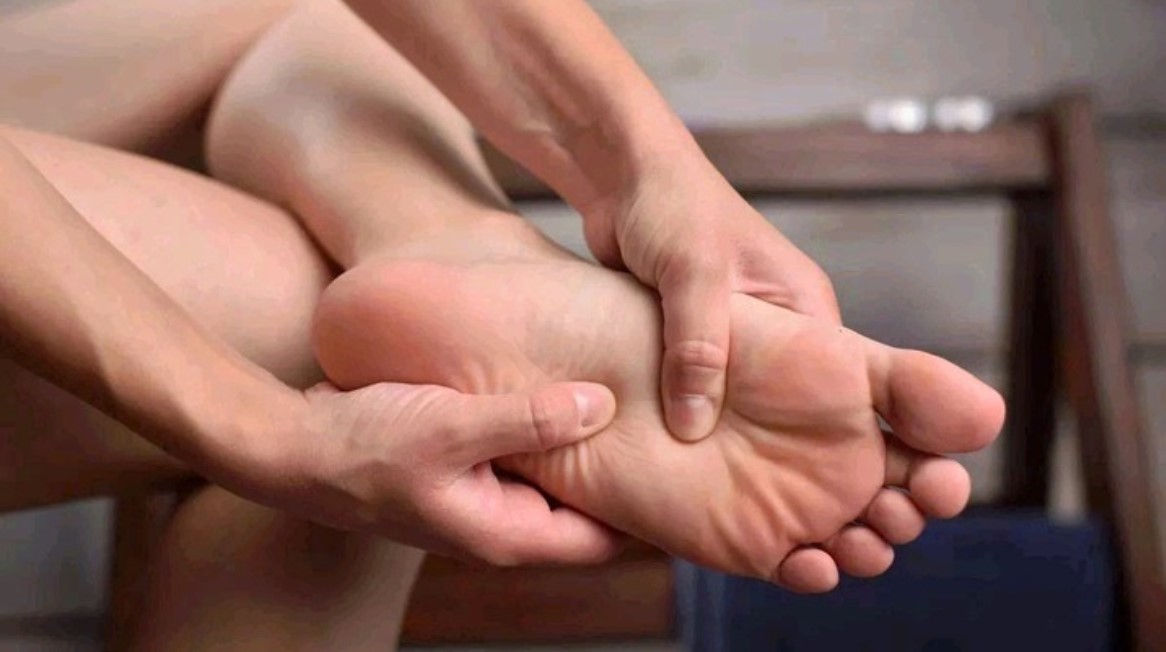
Many people start experiencing foot pain after turning forty. At first, it may feel like a normal part of getting older. You wake up with sore heels, your feet ache after walking for a while, or standing for too long, and suddenly it becomes uncomfortable. Most people ignore it and hope it will disappear. But in many cases, foot pain is the body’s quiet way of asking for attention.
Our feet work hard every single day. They carry our full body weight, support movement, and help us stay balanced. As we age, the muscles, joints, and soft tissues in the feet slowly weaken. The natural cushioning under the feet also becomes thinner with time. That is why pain may begin to appear in the heels, toes, or arches even when doing simple daily activities.
For some people, the pain is linked to lifestyle habits. Gaining extra weight puts more pressure on the feet and joints. Wearing tight or unsupportive shoes for many years can also damage the feet without someone realizing it. People who spend long hours standing at work often feel the effects even faster. The body keeps absorbing stress until the pain finally becomes impossible to ignore.
Sometimes foot pain can also be connected to deeper health issues. Conditions like arthritis, diabetes, poor blood circulation, or nerve problems may first show signs through the feet. That is why persistent pain should never be brushed aside. The body usually gives small warnings before bigger health problems develop.
The good news is that small changes can bring real relief. Comfortable shoes, light exercise, stretching, and maintaining a healthy weight can help reduce pressure on the feet. Rest also matters. Many people push themselves too hard and forget that the body needs recovery too.
Growing older does not mean living in constant pain. Foot pain after forty is not just about age. Often, it is a message from the body asking for better care, healthier habits, and more attention. Listening early can help someone stay active, comfortable, and independent for many more years.






Comments
0 comments