
In the early hours of 22 April 1990, heavy gunfire erupted around Dodan Barracks in Lagos. A group of young officers, led by Major Gideon Orkar, launched a daring coup attempt against military president General Ibrahim Babangida. As rebels stormed the presidential quarters, Babangida’s trusted Aide-de-Camp, Lieutenant Colonel Usman Kakanda Bello (U.K. Bello), was killed in the crossfire while trying to protect his principal. Babangida himself narrowly escaped through a back route.
What made the attack particularly dangerous was a critical piece of intelligence the plotters reportedly possessed: U.K. Bello had allegedly told a colleague, Captain Nyame, that Babangida would be sleeping at Dodan Barracks that night. That seemingly innocuous detail may have sealed the ADC’s fate and nearly cost Babangida his life.
The Historical Setting: A Regime Under Pressure
By 1990, Babangida had been in power for nearly five years since the 1985 palace coup that removed Muhammadu Buhari. His regime was marked by economic reforms, ambitious infrastructure projects, and a complex transition programme to civilian rule. However, it was also plagued by accusations of corruption, human rights abuses, and favouritism.
Economic hardship and the perception that Babangida was becoming increasingly detached and autocratic had created deep resentment, particularly among younger and mid-level officers. The Gideon Orkar coup was the most serious direct challenge to his authority up to that point.
The Main Players
– General Ibrahim Babangida: The military president. Charismatic but increasingly seen as out of touch by some officers.
– Major Gideon Orkar: The known voice of the coup. A passionate and outspoken officer who broadcast a fiery speech accusing Babangida of corruption and calling for radical changes, including the excision of certain Northern states.
– Lieutenant Colonel U.K. Bello: Babangida’s loyal Aide-de-Camp. A dedicated officer whose alleged casual disclosure about Babangida’s sleeping arrangements may have given the plotters a crucial advantage.
– Captain Nyame: Reportedly the officer to whom U.K. Bello allegedly passed the information about Babangida’s location — a detail that became central to how the rebels planned their assault on Dodan Barracks.
The Hidden Tensions and the Fatal Tip-Off
The plotters had been monitoring Babangida’s movements. According to accounts circulating around the events, U.K. Bello had casually mentioned to Captain Nyame that the president would be spending the night at Dodan Barracks. Whether this was innocent conversation or something more remains unclear, but the information reportedly reached the rebels and helped them time and target their attack on the presidential residence.
The coup was driven by a mix of ideological grievances and personal frustrations. Orkar’s group saw Babangida as having overstayed his welcome and failing to deliver on promises of genuine transition. The alleged tip-off about Babangida’s location gave them a rare window of opportunity to strike directly at the heart of power.
The Critical Night: April 22, 1990
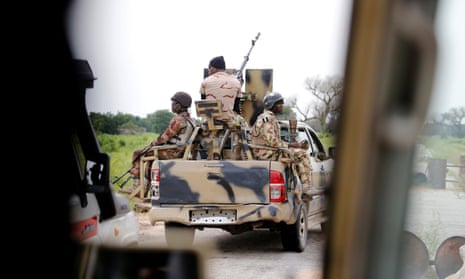
The rebels seized the FRCN radio station and broadcast their demands. They then launched an assault on Dodan Barracks. U.K. Bello, as ADC, was in the thick of the defence. He was killed during the exchange of fire as the attackers pressed toward Babangida’s quarters. Babangida managed to slip away through a back exit, reportedly with the help of loyal security personnel.
The coup was ultimately crushed by forces loyal to Babangida. Many plotters were arrested, tried, and executed.
What Happened Behind Closed Doors
The alleged disclosure by U.K. Bello about Babangida’s sleeping arrangements appears to have been a critical intelligence break for the plotters. In the high-stakes world of military politics, even casual conversations can become lethal. Whether Nyame deliberately passed the information or it leaked through other channels remains part of the murky lore surrounding the failed coup.
Babangida’s survival was attributed to quick thinking, loyal guards, and the rebels’ failure to fully secure the barracks. The death of his ADC was a personal and symbolic blow — a loyal officer paying the ultimate price for his commander’s safety.
The Consequences
The Orkar coup attempt led to a major security purge. Babangida tightened his inner circle and became more cautious. The regime survived, but the incident exposed deep fractures within the military and contributed to the atmosphere of instability that characterised Babangida’s later years.
U.K. Bello’s death was mourned by those close to Babangida. It served as a stark reminder of the personal risks faced by those in the inner circle of power during turbulent times.
Why This Story Still Matters Today
The killing of Lt. Col. U.K. Bello during the 1990 coup attempt remains a powerful illustration of the dangers of military politics and the human cost of power struggles. The alleged tip-off about Babangida’s location shows how seemingly small details can have life-or-death consequences in high-stakes environments.
In today’s Nigeria, where civilian democracy has endured since 1999, the story serves as a cautionary tale about the importance of loyalty, vigilance, and strong institutions that prevent military adventurism. It also highlights the heavy price paid by dedicated officers like U.K. Bello who served in the line of fire.