
Culture
Here is all you need to know about the difference between Tsonga and Shangaan tribe
 Follow on Google News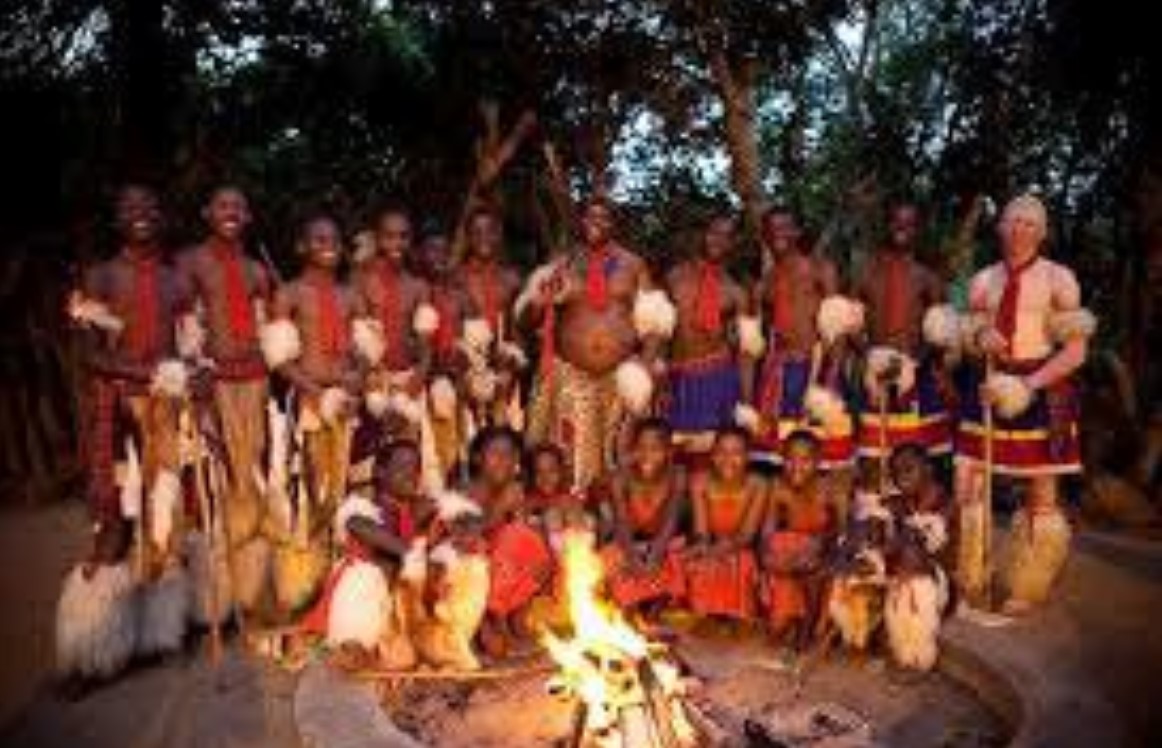
As Mzilikazi had done before him, Soshangane fled KwaZulu-Natal to avoid incurring Shaka’s wrath.
He then traveled to the northeast, where he encountered the Tsonga people and subjugated them on his journey into what is now the country of Mozambique.
Tsonga was the language spoken by all members of the Tsonga people, regardless of which of the many Tsonga tribes they belonged to (such as the Ronga, Ndzawu, Shona, and Chopi).
The Gaza Kingdom was established by Soshangane and the Nguni people after they successfully retook the land around Gaza from the KZN.
He did not back down in the face of Shaka and Dingane’s assault, which resulted in a catastrophic blow to the Zulu army. Under Soshangane and his heirs, the Gaza kingdom reached its zenith and attained its full potential. The Shangane and Tsonga cultures amalgamated as a result of their members marrying one another, with the Shangane culture eventually coming to dominate the Tsonga culture.
Now, everyone has a name that is so similar to one another that the only way to differentiate us is by our last names. People from Shangane use surnames derived from the Nguni language to differentiate themselves from those from Tsongas, who use surnames derived from the Tsonga language for the same purpose. Ngobeni and Ndlovu, in addition to many others like them
Tsonga people
T
The Shangaan
Both the Shangaan and the Tsonga share a shared ancestry in Nguni immigrants from the province of KwaZulu-Natal. The only significant difference between the two groups is that the Tsonga have a more well-known surname.
There are various dialects that are linked to Thonga and Tsonga, including Xirhonga, Xin’walungu, Xihlanganu, Xibila, Xihlengwe, and Xidjonga, to name just a few of them. The majority of people are able to communicate via Xirhonga.




Comments
0 comments