
My biological Father Is Zulu And 100% Black, that’s how I’m fluent in Zulu Thandeka Khumalo Hit out
 Follow on Google News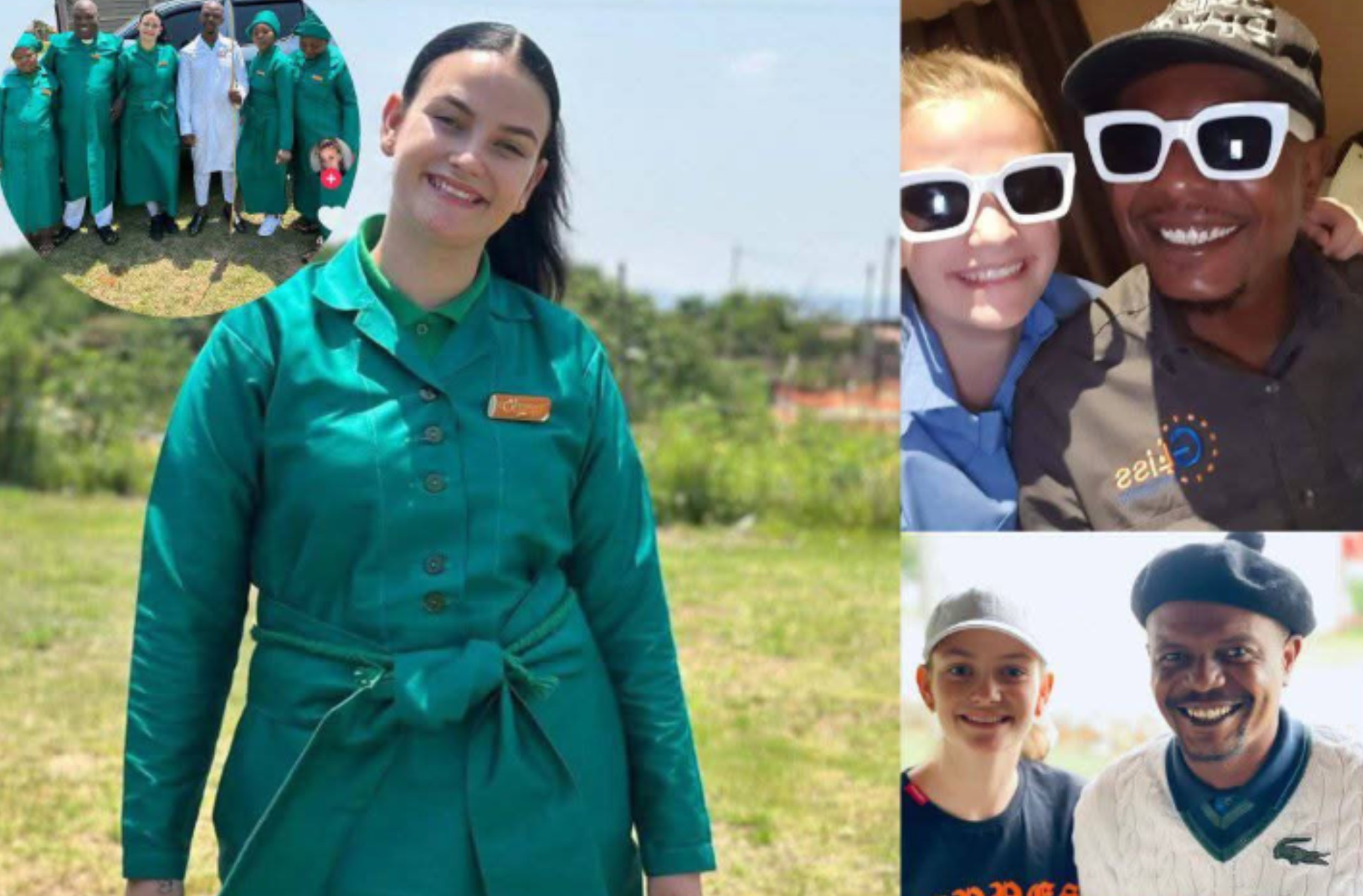
personality Thandeka Khumalo has set the record straight about her identity after years of online curiosity surrounding her fluent isiZulu content.
Known for her vibrant and confident presence on TikTok, Khumalo has built a growing audience through videos delivered entirely in isiZulu. Her fluency and cultural expression have often sparked debate, with many viewers speculating about her background and how she mastered the language so naturally.
Now, Khumalo has addressed the speculation directly, making it clear that her connection to isiZulu is deeply personal and rooted in her heritage. “My biological father is Zulu and 100% black, that’s how I’m fluent in Zulu because I am Zulu,” she explained.
Her statement highlights a reality that many followers had not fully understood—that her linguistic ability is not simply learned, but inherited through family and identity. Khumalo further revealed that she has a white mother and a Black father, a background that has shaped both her upbringing and her public image.
For years, assumptions about her identity were often based on appearance alone, a reminder of how social media can sometimes oversimplify or misinterpret complex personal stories. Khumalo’s openness challenges those assumptions, reinforcing the idea that identity cannot always be defined by outward perception.
Her story has resonated with many users, particularly in a country like South Africa where cultural and racial identities are deeply layered. Supporters have praised her for confidently embracing her roots while navigating a space where people frequently question authenticity.
Beyond the personal revelation, Khumalo’s content continues to celebrate isiZulu language and culture, contributing to broader efforts to promote indigenous languages online. In a digital landscape often dominated by global trends, her work stands out as a reflection of local pride and cultural expression.
The response to her statement has been largely positive, with many applauding her for addressing the topic with clarity and confidence. Others have noted that her experience reflects a wider conversation about mixed heritage, belonging, and the importance of self-identification.
As Thandeka Khumalo continues to grow her platform, her message remains simple but impactful: identity is personal, and it is best defined by the individual living it.

Comments
0 comments