
Never Drink Water During These Times No Matter How Thirsty You Are
 Follow on Google News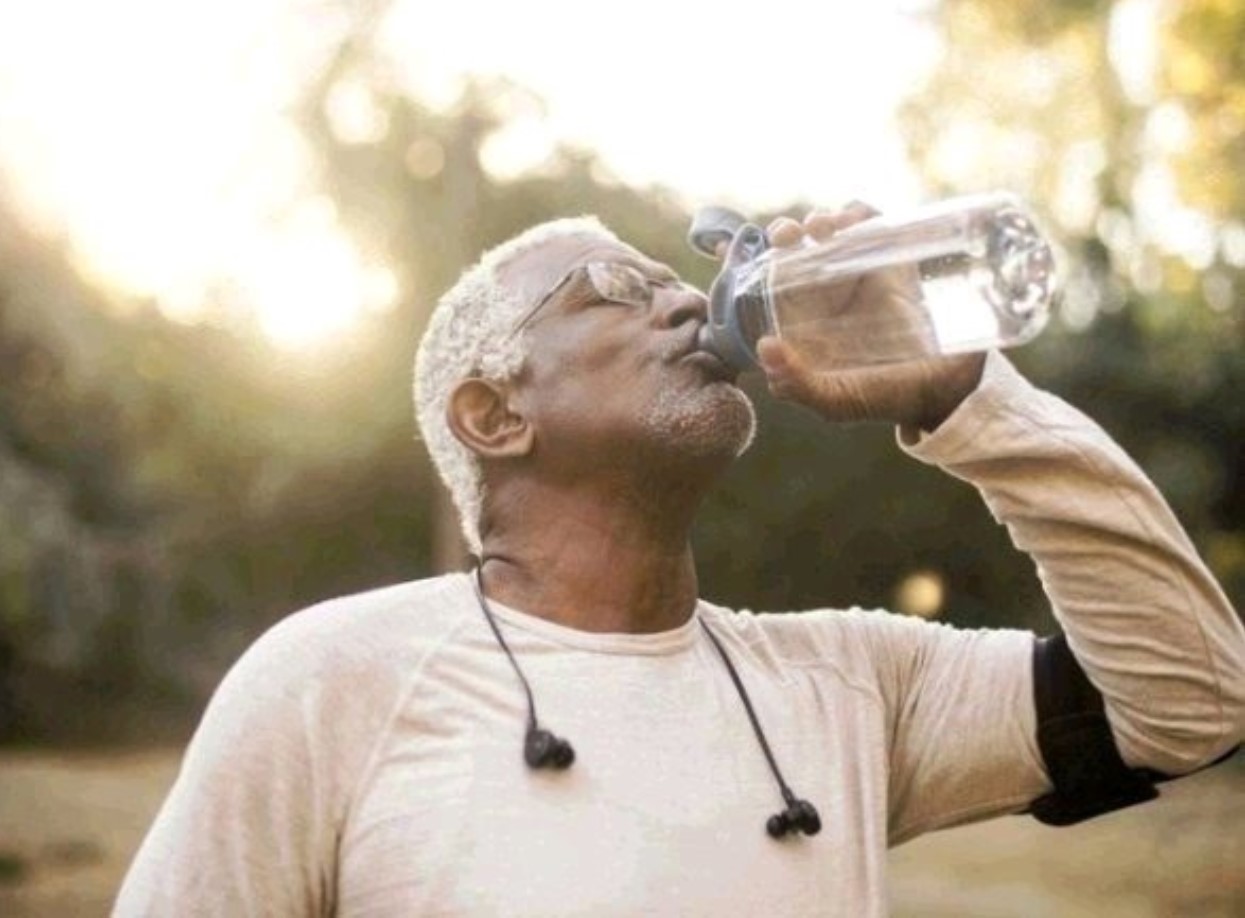
You may have heard people say there are certain times you should never drink water, no matter how thirsty you feel. In reality, this idea is mostly a myth. Your body doesn’t work on strict “no water allowed” time slots. What it really needs is steady hydration throughout the day.
Some people warn against drinking water during meals. The truth is, a small amount of water while eating is completely fine. It can actually help soften food and make swallowing easier. Problems only come if someone drinks too much too fast, which might cause a bloated feeling.
Another common belief is that you should avoid drinking water early in the morning or late at night. But in fact, drinking water in the morning is helpful because your body wakes up slightly dehydrated after sleep. A glass of water can help you feel refreshed. At night, it is also okay to drink water, just not large amounts that might disturb your sleep with frequent bathroom trips.
Some people also think you shouldn’t drink water when you are very hot or after exercise. This is actually the opposite of what your body needs. When you sweat, you lose fluids, and not replacing them can leave you feeling weak, dizzy, or tired. Drinking water at that moment is important for recovery and balance.
The idea that water becomes “dangerous” at certain times is not supported by science. The only real risk is drinking too much water in a very short time, which is rare and not something most people need to worry about.
Your body is quite smart. It tells you when it needs water through thirst. Ignoring that feeling is more harmful than worrying about timing myths.
In simple terms, there is no special hour when water becomes bad for you. What matters is listening to your body and staying hydrated in a balanced way throughout the day. Water supports your energy, focus, digestion, and overall health—so don’t overthink the timing, just drink when you need it.





Comments
0 comments