
(Opinion) How To Remove Deep Brown Stains From Your Teeth With These Kitchen Ingredients
 Follow on Google News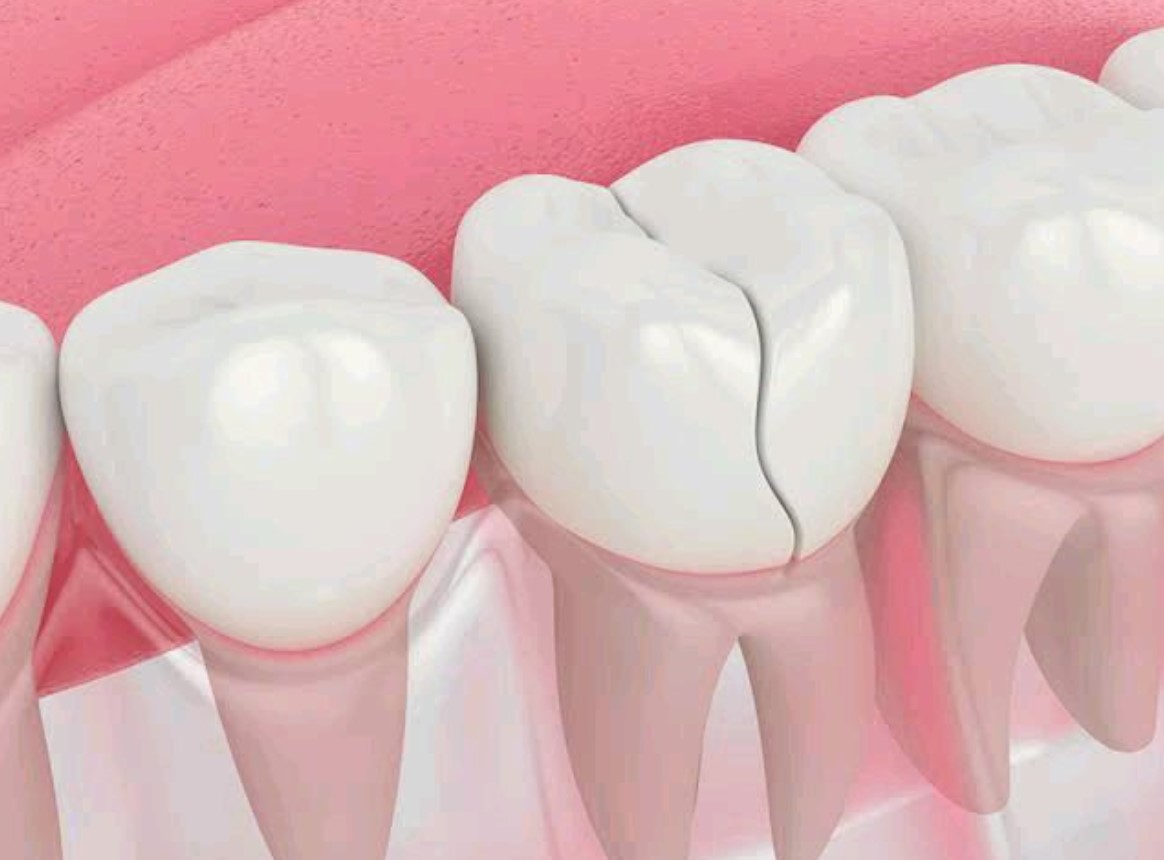
Dental professionals are cautioning the public about the growing popularity of homemade teeth-whitening mixtures shared online, warning that some kitchen ingredients may damage tooth enamel if used incorrectly or too often.
Many people seek home remedies to remove brown stains from teeth, especially discoloration caused by coffee, tea, smoking, poor oral hygiene, or certain foods. While some household ingredients may temporarily help reduce surface stains, dentists say not all methods are safe for long-term dental health.
One commonly shared remedy involves mixing toothpaste, salt, lemon juice, and baking soda to whiten teeth. Experts explain that baking soda has mild abrasive properties that may help remove some surface stains when used carefully and occasionally. In fact, baking soda is included in some commercial toothpaste products.
However, dental specialists warn that excessive use of abrasive mixtures can wear down tooth enamel, the protective outer layer of the teeth. Once enamel becomes damaged, teeth may become more sensitive and appear more yellow over time.
Lemon juice is another ingredient that dentists urge people to use cautiously. Although lemon contains citric acid that may help lift stains, the acid can also erode enamel and increase the risk of tooth sensitivity and cavities if applied directly to teeth too frequently.
Salt, while commonly used in oral care traditions, may also contribute to abrasion if used aggressively during brushing.
Dental experts emphasize that maintaining good oral hygiene remains the safest and most effective way to prevent stains and discoloration. Brushing twice daily with fluoride toothpaste, flossing regularly, limiting tobacco use, and reducing excessive intake of staining beverages such as coffee and red wine are widely recommended.
Professional dental cleaning and whitening treatments are also considered safer options for individuals with persistent staining or discoloration. Dentists explain that deep brown or black stains may sometimes indicate underlying dental problems such as plaque buildup, tartar, decay, or enamel damage that require professional attention.
Health professionals advise people to consult qualified dental practitioners before trying strong home remedies, especially if they have sensitive teeth, gum disease, or existing dental conditions.
While some homemade mixtures may provide temporary cosmetic improvements, experts continue to stress that overuse of acidic or abrasive ingredients can potentially do more harm than good in the long term.





Comments
0 comments