
Pay Attention To Your Liver Once You Begin To Notice These 4 Signs In Your Body
 Follow on Google News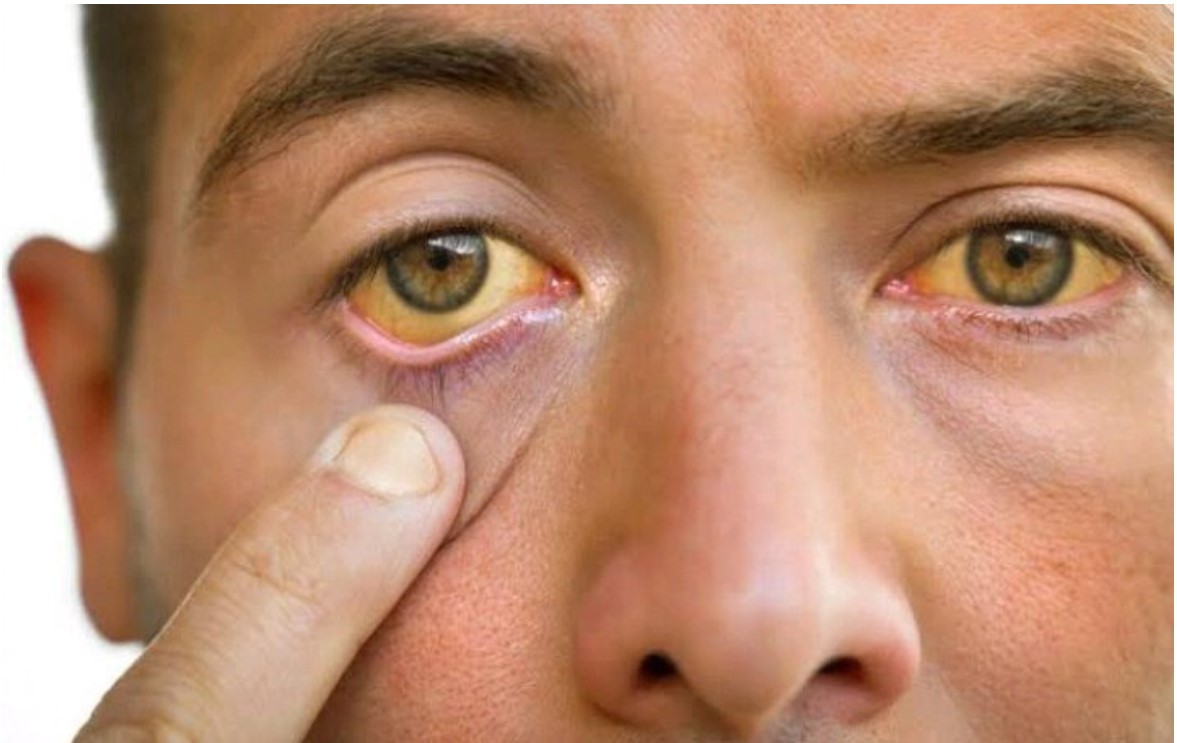
Medical professionals emphasize the importance of early detection of liver problems, noting that the liver plays a central role in vital bodily functions such as detoxification, digestion, and protein production.
When the liver becomes damaged or diseased, its ability to perform these essential tasks can be severely affected. Liver disease, also referred to as hepatic disease, covers a range of conditions that impair normal liver function. In advanced cases, when more than 75 percent of liver tissue is damaged, the organ may begin to fail.
Health institutions, including Mayo Clinic, have outlined several warning signs that may indicate serious liver complications or potential liver failure. These symptoms often develop gradually but can become life-threatening if left untreated.
One of the commonly reported signs is jaundice, which is characterized by a yellowing of the skin and eyes. Individuals may also notice darker urine and general paleness. This condition occurs when bilirubin, a substance produced during the breakdown of red blood cells, builds up in the bloodstream. A healthy liver normally processes and eliminates bilirubin, but when liver function is impaired, this process is disrupted, leading to visible changes in the body.
Another significant symptom is fluid accumulation in the body. This may present as swelling in the legs or abdominal enlargement. In many cases, this condition is linked to cirrhosis, a serious stage of liver disease in which healthy liver tissue is replaced by scar tissue. The buildup of fluid is associated with reduced production of albumin, a protein responsible for maintaining proper fluid balance in the bloodstream, as well as increased pressure in the liver’s blood vessels.
Bleeding abnormalities may also occur in individuals with liver disease. This can include gastrointestinal bleeding, such as blood in vomit or stool. The scarring of the liver can disrupt normal blood flow, forcing blood to reroute through smaller vessels that may become swollen and prone to rupture. In addition, the liver’s reduced ability to produce clotting proteins can increase the risk of excessive bleeding.
Cognitive changes, including memory loss, confusion, and difficulty concentrating, are also reported in advanced liver disease. These symptoms arise when toxins that are normally filtered by the liver enter the bloodstream and reach the brain. In severe cases, this condition may progress to extreme lethargy or coma. Treatments such as lactulose may be prescribed to reduce toxin buildup and prevent further neurological complications.
Medical guidance from institutions such as the Cleveland Clinic further supports the identification and management of these symptoms, stressing the importance of timely medical evaluation when such signs appear.






Comments
0 comments