

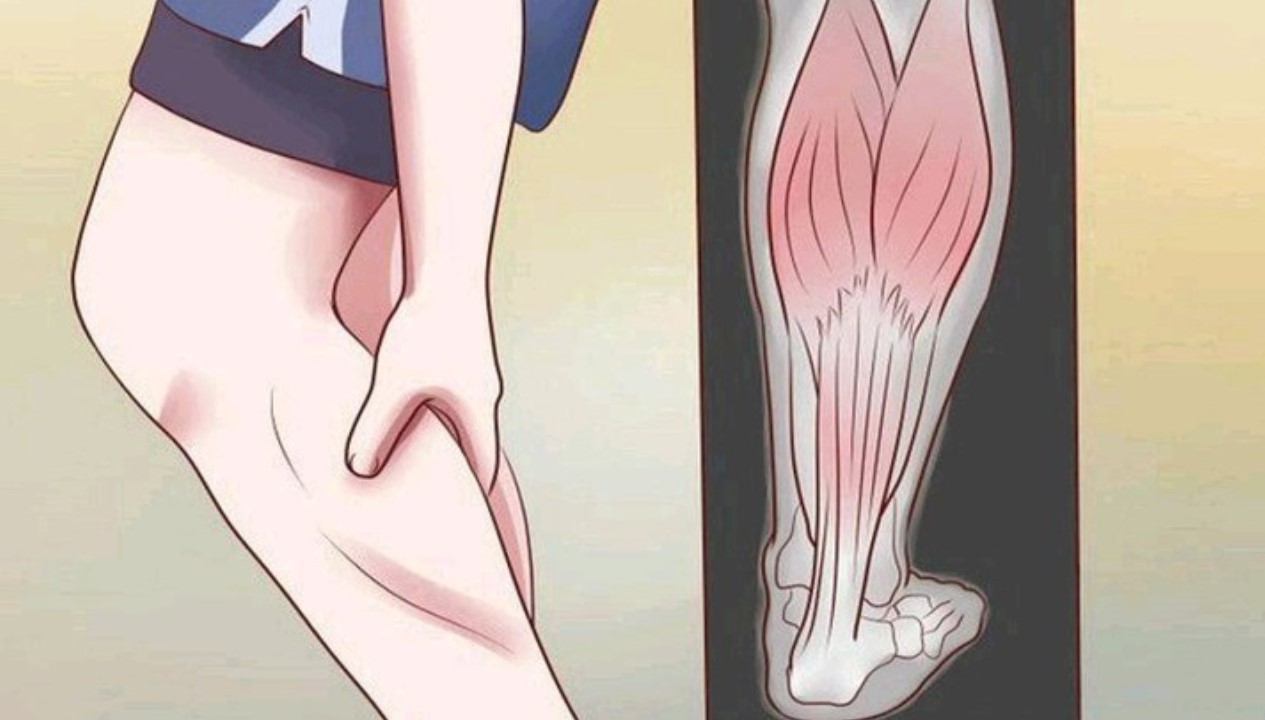
Nighttime leg cramps can hit suddenly, leaving you wincing in pain and struggling to get back to sleep. They’re more common than people think, and understanding why they happen can help you prevent them from ruining your nights.
One big culprit is dehydration. When your body doesn’t have enough water, your muscles can tense up and spasm unexpectedly. Drinking water throughout the day—not just before bed—helps keep your muscles calm and relaxed.
Electrolyte imbalance is another common cause. If your body is low on potassium, magnesium, or calcium, cramps can strike more easily. Simple foods like bananas, spinach, nuts, and yogurt can make a real difference over time.
Muscle fatigue also plays a role. Long days of standing, walking, or even intense workouts can leave your calves and thighs tight. Taking a few minutes to stretch before bed or gently move your legs can prevent cramps from sneaking in at night.
Sometimes, poor circulation is to blame. Sitting or lying in one position too long can reduce blood flow, triggering a cramp. Small changes like shifting your position or elevating your legs can help blood move freely.
Certain medications may contribute, too. If cramps keep coming back, it’s worth checking with your doctor whether something you take daily could be affecting your muscles.
Prevention really comes down to simple daily habits. Stretch your calves, hamstrings, and thighs for 20 seconds each, and rotate your ankles before bed. Stay hydrated and include electrolyte-rich foods in your meals. Avoid excessive alcohol and caffeine, which can dry you out. Sleeping with a pillow under your legs can also ease muscle tension.
If cramps persist despite all this, it might signal an underlying issue like nerve compression or a medical condition. A doctor can help figure that out.
With consistent stretching, proper hydration, and a few simple bedtime tweaks, you can reduce those painful nighttime leg cramps and finally enjoy uninterrupted sleep.