
Salt, lemon and pepper are the miracle cure if you are suffering from these 6 illnesses
 Follow on Google News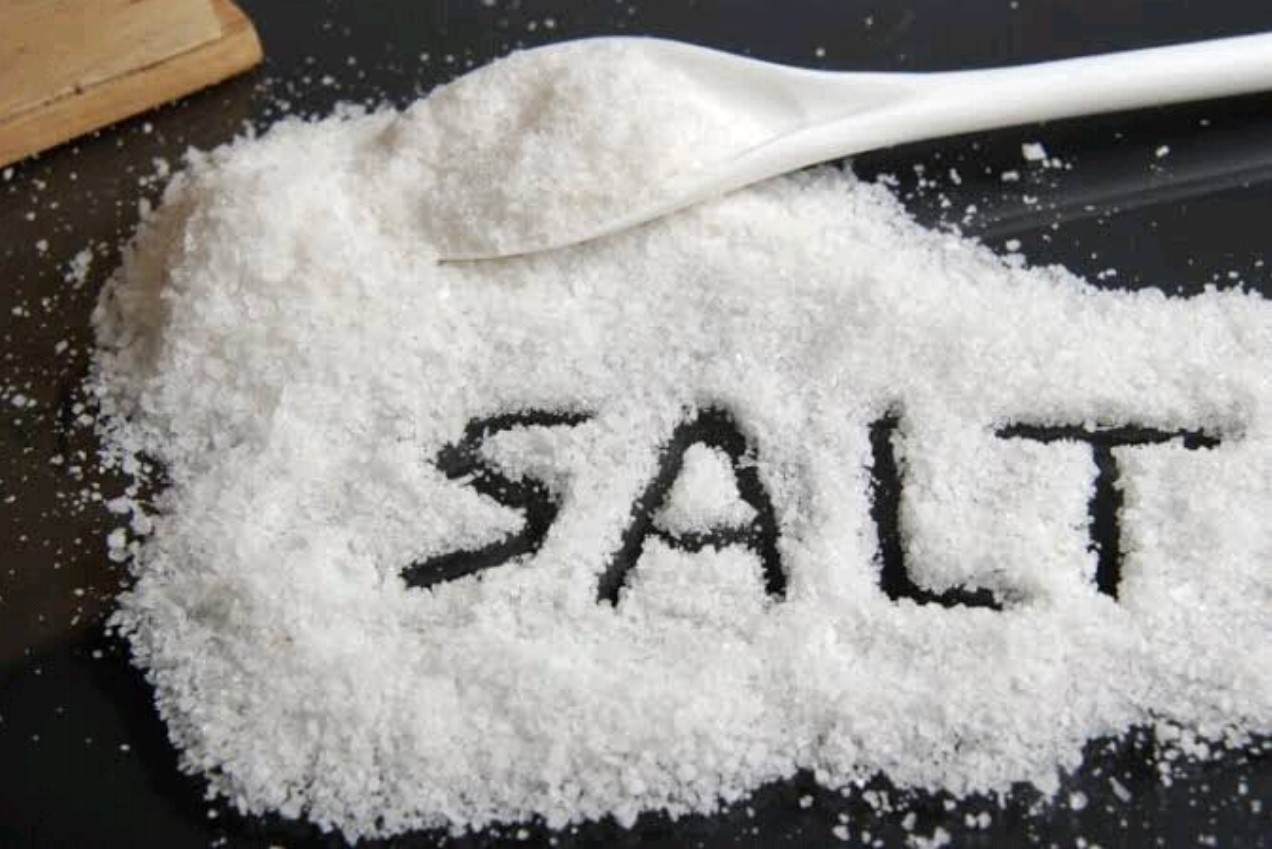
A mixture of lemon, black pepper, and sea salt has long been used in traditional home remedies across different cultures. These common kitchen ingredients are often associated with antibacterial and immune-supporting properties, leading to claims that they may help manage a range of minor health conditions.
Lemon juice is widely known for its vitamin C content and mild antibacterial qualities, while black pepper contains antioxidant compounds and has been linked to immune support. Sea salt, on the other hand, is commonly used in basic remedies such as saltwater gargles. Together, this combination is believed by some to provide relief for several everyday ailments.
One commonly mentioned use is for nosebleed, where lemon juice applied with a cold compress is said to help control bleeding. For a sore throat, a mixture of warm water, lemon, salt, and pepper is often used as a gargle to ease irritation and support comfort.
The remedy is also promoted for dental discomfort. Mixing pepper with clove oil and applying it to the affected area is believed to help relieve a toothache, although dental experts generally recommend professional care for persistent issues.
For digestive concerns such as nausea, a drink made from lemon juice, black pepper, and warm water is said to help settle the stomach. Similarly, warm lemon-based drinks combined with honey and pepper are often used in cases of fever and chills, mainly to provide comfort and hydration.
Another suggested use is for relieving a stuffy nose. A blend of spices, including black pepper, is sometimes inhaled to trigger sneezing and clear nasal passages.
While these remedies remain popular in traditional practices, health professionals note that their effectiveness may vary and that they are generally more suitable for mild symptoms. Persistent or severe conditions should be evaluated by a medical professional to ensure proper diagnosis and treatment.
Overall, lemon, salt, and pepper continue to be used as simple, accessible home remedies, though they are best seen as supportive rather than definitive medical solutions.




Comments
0 comments