

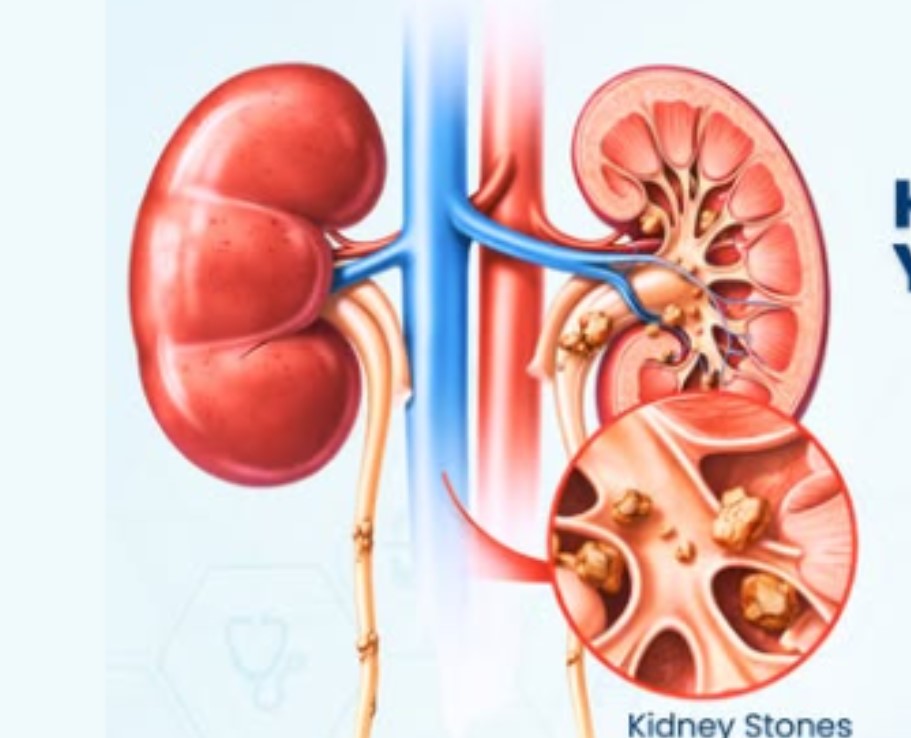
Kidney stones occur when minerals in the urine crystallize into hard deposits that can obstruct the urinary system.
In early 2026, medical professionals have noted an increase in symptomatic cases linked to changing dietary habits and chronic dehydration.
A hallmark sign of this condition is a sharp, cramping pain in the back or side, medically known as renal colic.
This pain typically starts suddenly and occurs in waves as the body attempts to propel the mineral deposit through the narrow urinary tract.
Understanding these early warning signals is essential for timely intervention and effective pain management.
The core of the symptomatic progression centers on the movement of the stone from the kidney into the ureter. When a stone becomes lodged, it blocks the flow of urine, causing the kidney to swell and the ureter to spasm.
This results in intense, radiating pain that often migrates from the flank down to the lower abdomen and groin area.
Because the kidneys and the gastrointestinal tract share similar nerve pathways, this internal agony is frequently accompanied by severe nausea and persistent vomiting.
These symptoms indicate that the stone is actively moving and causing significant internal pressure.
During a clinical assessment, changes in urinary habits are often among the first indicators of a developing stone. Patients may report a persistent and intense urge to urinate, even when the bladder is nearly empty.
This sensation is caused by irritation of the bladder lining as the stone approaches the junction between the ureter and the bladder.
Furthermore, urination may be accompanied by a sharp burning or stinging sensation.
These symptoms can sometimes be mistaken for a common infection, making professional diagnosis through high-resolution imaging essential for accuracy.The appearance of urine provides critical information regarding the presence and severity of a mineral deposit. Hematuria, or blood in the urine, is a common indicator that a jagged stone is scratching the internal lining of the urinary system.
The urine may appear pink, red, or even brownish, although sometimes blood is only detectable through microscopic laboratory tests.
Additionally, cloudy or hazy urine may suggest a high concentration of minerals or the presence of pus. If the urine emits a strong, foul odor, it may indicate a secondary infection that requires immediate medical attention.
Beyond the physical pain, the onset of fever and chills represents a medical emergency that must not be ignored.
While a standard kidney stone does not typically cause a high temperature, the presence of fever suggests that the stone has caused a blockage, leading to infection.
This condition can quickly escalate if bacteria enter the bloodstream, posing a serious risk to overall health.
Medical experts advise that anyone experiencing severe side pain along with shivering or a high temperature should seek immediate care at an emergency facility to prevent potential complications.
As the diagnostic process evolves, the focus remains on early detection using modern ultrasound technology and specialized imaging scans.
Most small stones can pass naturally with increased fluid intake and medications that help relax the muscles of the ureter.
However, larger stones—or those causing severe, persistent pain—may require advanced procedures such as shockwave therapy or laser treatment to break them down.
By staying vigilant about subtle signs like persistent back pain or unusual urine color, individuals can avoid a major renal crisis. The key to recovery lies in acting before the pain becomes unmanageable.