
The Quiet Exodus From HIV Treatment: Why Young Kenyans Are Abandoning Their ARVs
 Follow on Google News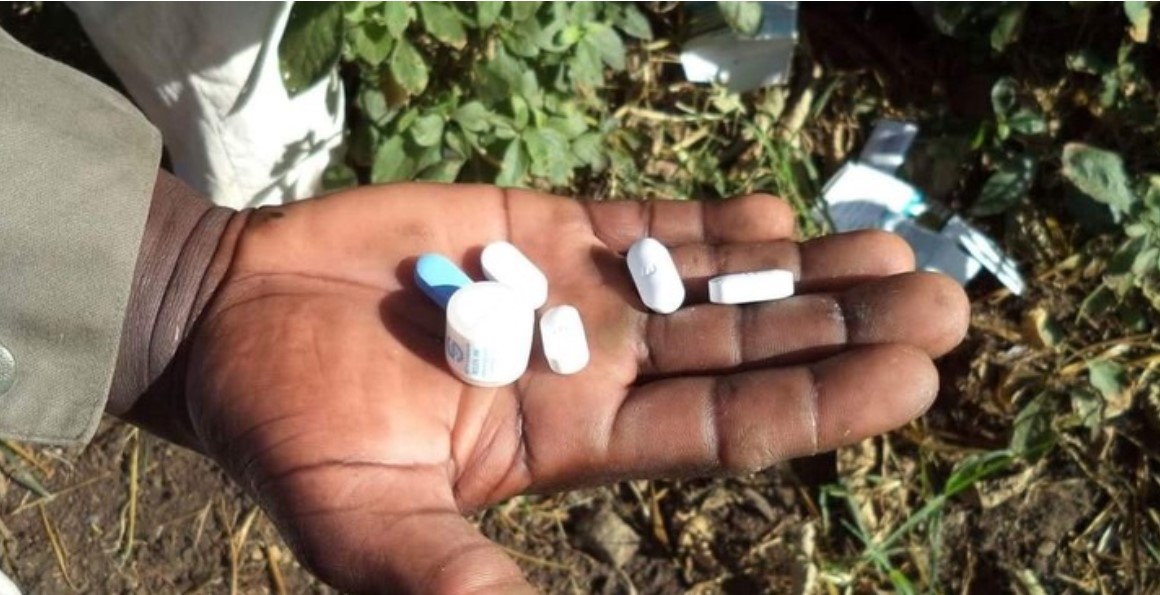
A growing number of young Kenyans living with HIV are silently abandoning antiretroviral therapy (ARVs), raising alarm among health experts who warn that years of progress in the fight against HIV could be reversed.
Despite Kenya making significant strides in HIV treatment access, adolescents and young adults remain among the most vulnerable groups struggling with treatment adherence. According to recent health reports, many young people discontinue medication due to stigma, mental health challenges, poverty, school pressures, and fears of being identified as HIV positive.
In boarding schools especially, teenagers often hide their medication from classmates to avoid discrimination. Some wake up before dawn to secretly take pills, while others skip doses entirely to avoid suspicion. Studies conducted in Nairobi schools found that fear of stigma remains one of the biggest barriers to consistent treatment.
The situation has been worsened by recent uncertainty surrounding HIV drug supplies and funding cuts linked to reduced foreign aid support. Reports of ARV shortages and reduced clinic services have created anxiety among patients, with some young people losing confidence in the healthcare system.
Health experts warn that stopping ARVs can lead to drug resistance, weakened immunity, and increased HIV transmission. Kenya currently has over 1.3 million people on treatment, but thousands risk falling out of care if support systems are not strengthened.
However, there is hope. The government recently announced plans to introduce long-acting injectable HIV treatment beginning in 2026, a move expected to reduce the burden of daily pills and improve adherence among young people.
As Kenya pushes toward ending AIDS by 2030, experts say defeating stigma and improving youth-friendly healthcare services will be just as important as providing medicine.






Comments
0 comments