
The Salty Truth: Is Your Salt Habit Silently Harming Your Heart?
 Follow on Google News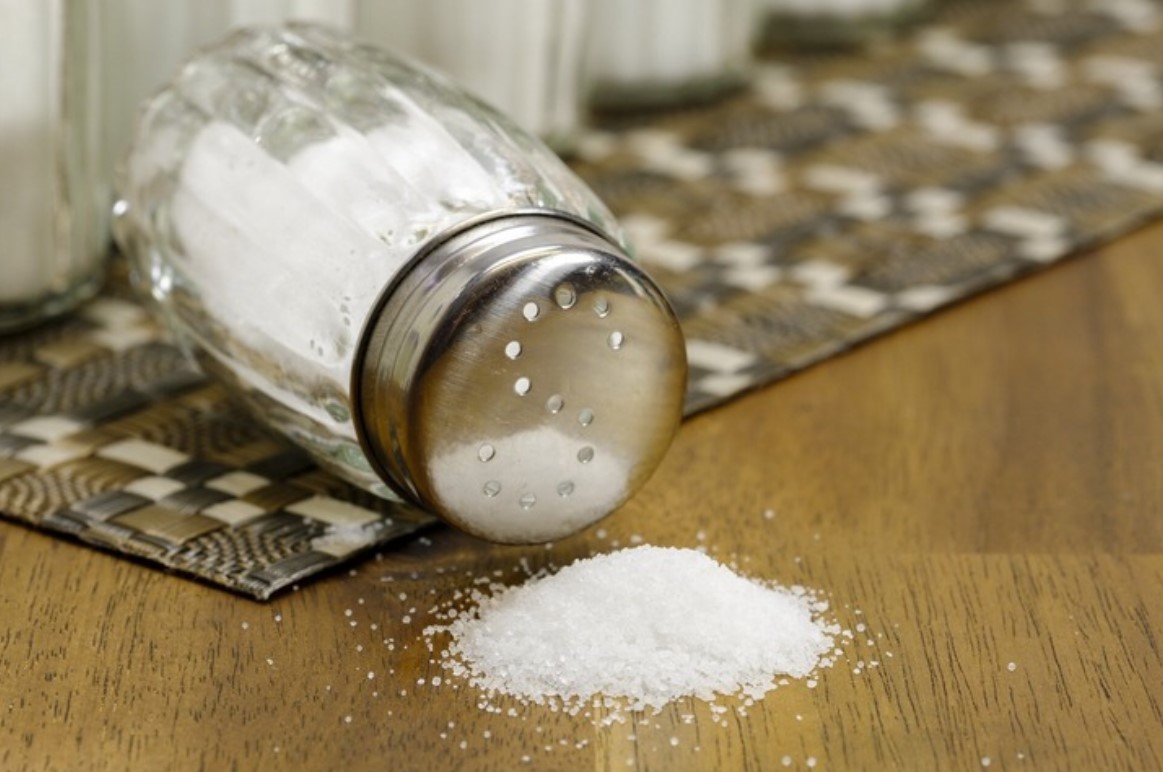
Salt is everywhere — on your fries, in your favorite snacks, even hidden in “healthy” meals. While it adds flavor and enhances taste, excessive salt consumption is a silent killer that’s contributing to millions of deaths worldwide every year. According to the World Health Organization (WHO), high sodium intake is directly linked to high blood pressure, heart disease, and stroke — yet most people consume twice the recommended amount daily. Are you unknowingly salting your way to serious health risks?
1. The Essential Role of Salt — and the Danger of Too Much
Sodium, the main component of salt, is vital for maintaining fluid balance, nerve function, and muscle contraction. However, when consumed in excess, it becomes dangerous. The recommended daily limit is 2,300 mg of sodium — about one teaspoon of salt — but studies show the average person consumes 3,400 mg or more per day.
2. How Excess Salt Affects Your Body
Too much salt in the bloodstream pulls water into your blood vessels, increasing blood volume and raising blood pressure. Over time, this can strain the heart, damage arteries, and lead to hypertension, a major risk factor for heart disease, kidney failure, and stroke.
Excess salt is also linked to:
Osteoporosis: High salt intake increases calcium loss through urine.
Kidney Stones: Extra sodium puts pressure on kidneys and contributes to stone formation.
Stomach Cancer: Salt can irritate the stomach lining and increase cancer risk.
3. Hidden Salt Bombs in Everyday Foods
Most of the sodium we consume doesn’t come from the salt shaker — it comes from processed and packaged foods, including:
Bread and rolls
Canned soups and vegetables
Deli meats and sausages
Frozen meals
Cheese, sauces, and dressings
Fast food and takeout
Even sweet items like breakfast cereals and baked goods can contain hidden sodium.
4. How to Cut Back Without Losing Flavor
Reducing salt doesn’t mean sacrificing taste. Here are a few strategies:
Read labels and choose “low sodium” or “no added salt” products
Cook at home using herbs, garlic, lemon juice, and spices instead of salt
Rinse canned foods to remove excess sodium
Limit fast food and ultra-processed snacks
Gradually reduce salt use — your taste buds will adapt in just a few weeks
5. The Global Impact and Public Health Push
WHO aims to reduce global salt intake by 30% as part of its Noncommunicable Disease Global Monitoring Framework. Several countries have implemented front-of-package warnings, sodium taxes, and public awareness campaigns. It’s clear: cutting salt saves lives.
Conclusion
Salt may seem harmless, but its overuse has deadly consequences. From increased blood pressure to life-threatening cardiovascular diseases, the risks are real — and largely preventable. By making small, conscious changes to your diet today, you can protect your heart and improve your health long-term. The next time you reach for the salt shaker, ask yourself: Is it worth the risk?




Comments
0 comments