
The Teacher Who Refused to Leave
 Follow on Google News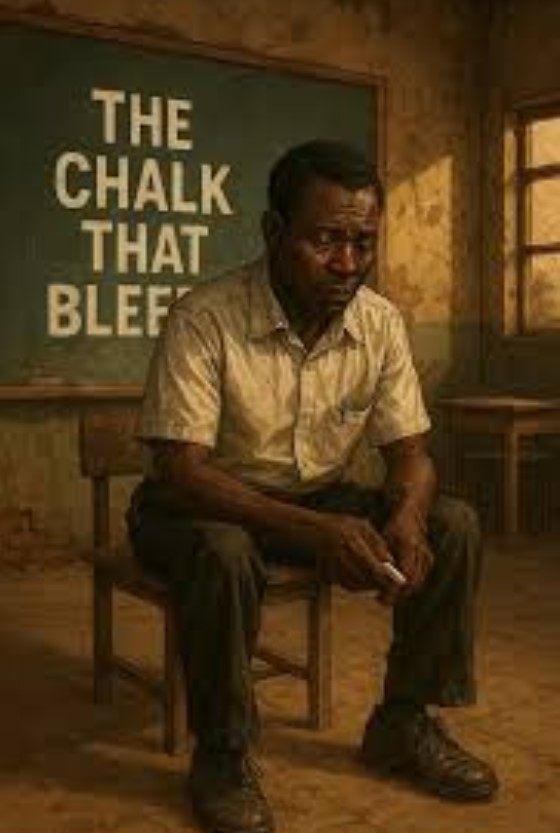
When the first gunshots echoed across the village in South Sudan, no one stayed to understand—they ran. Mothers grabbed their children, fathers shouted names into the chaos, and within hours the once-quiet village was nearly empty. But Mr. Deng did not leave. He stood in the doorway of his small school, watching the dust rise as people fled, then turned back to the classroom he had built with years of patience and belief. It was a simple place with cracked walls and a leaking roof, but to him it was more than a building—it was hope.
He remembered when only five children first came, shy and uncertain, and how that number grew as they learned to read, write, and dream. That night, while the village fell silent and fear lingered in the air, he sat alone under a dim lantern, staring at the last lesson written on the chalkboard: “The future belongs to those who prepare for it.” He did not erase it.
Days turned into weeks, and though no one returned, Mr. Deng continued his routine. Each morning he cleaned the classroom, arranged the desks, opened the attendance book, and sat waiting, believing that one day his students would come back. Dust gathered, pages curled, and the walls slowly faded, but he held onto their old assignments like something sacred, refusing to let their efforts disappear.
Sometimes he even taught aloud to the empty room, asking questions and pausing as if he could still hear their voices. It wasn’t madness—it was memory. One day, soldiers passing through found him there and questioned why he hadn’t fled. Calmly, he told them that as long as the school stood, something still remained. They left him behind, alone once more.
The seasons changed, the rain came through the broken roof, and still he stayed. Then one day, he noticed small footprints leading toward the classroom. Inside stood a frightened, barefoot boy clutching a torn paper. Gently, Mr. Deng asked if he wanted to learn, and when the boy nodded, a class began again—just one student, but enough.
The next day, the boy returned, and then another child came, and slowly, life crept back into the room. The village was still wounded, but inside that fragile school, something survived. Mr. Deng had not stayed because he had nowhere else to go—he stayed because he believed that some things, especially the future, are worth refusing to abandon.







Comments
0 comments