
Things Men Are Supposed To Do Daily To Maintain Their Fertility
 Follow on Google News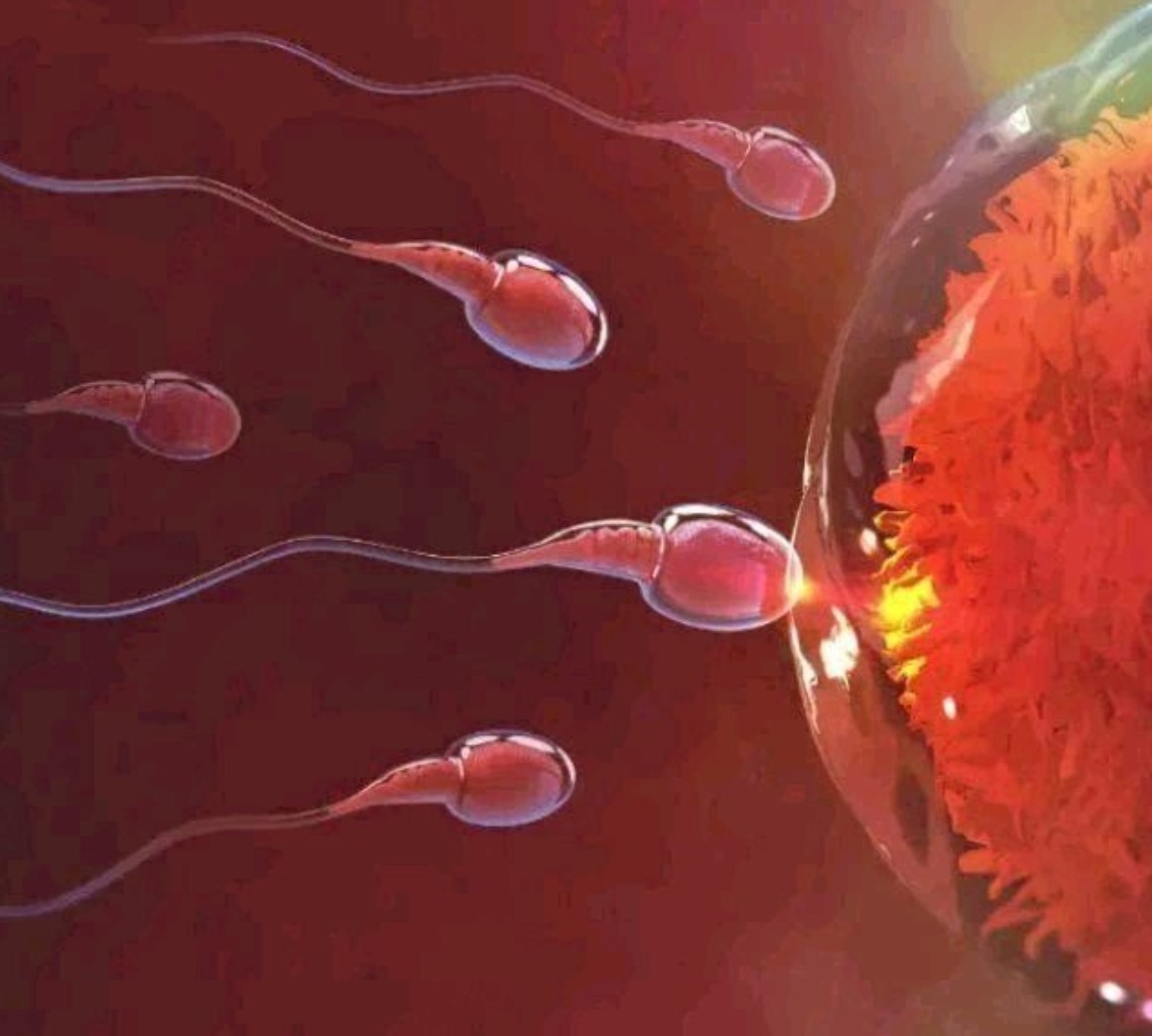
Fertility is one of those things men rarely think about until life forces the conversation. Most people assume it is only a concern for later years or for couples struggling to conceive. But in reality, a man’s fertility is shaped quietly every single day by his habits, choices, and lifestyle.
Take the example of a typical young man—let’s call him Brian. He wakes up late, grabs something quick to eat, sits for long hours at work or on his phone, and ends the day tired but wired, scrolling until midnight. Nothing about his routine feels dangerous. Yet, over time, these small habits can slowly affect his reproductive health without obvious warning signs.
Daily nutrition is one of the strongest building blocks. The body needs proper fuel to produce healthy sperm. Foods like eggs, beans, fish, fruits, vegetables, and nuts help support hormone balance. On the other hand, constantly relying on processed foods, sugary drinks, and junk meals can gradually weaken the body’s natural systems.
Movement matters too. The male body was not designed for long hours of sitting without activity. Simple daily exercise—walking, stretching, or light workouts—helps improve blood flow and supports healthy hormone production. It is not about extreme fitness; it is about consistency.
Sleep is another underrated factor. Many men sacrifice rest for work, entertainment, or stress. But without enough sleep, the body struggles to regulate testosterone and repair itself. Quality sleep is not a luxury—it is part of biological maintenance.
Stress also plays a hidden role. Constant pressure from work, finances, or personal life can silently disrupt hormonal balance. Even small habits like taking a walk, disconnecting from screens, or talking to someone can make a difference.
At the same time, avoiding harmful habits such as smoking, excessive alcohol, and overheating the body for long periods helps protect long-term fertility.
The truth is simple: fertility is not maintained in a hospital or in a crisis. It is built quietly in daily life. The small decisions a man makes today shape his health tomorrow, often in ways he only realizes much later.






Comments
0 comments