
Vegetables You Should Eat Regularly At Your 60s To Prevent Chronic Diseases
 Follow on Google News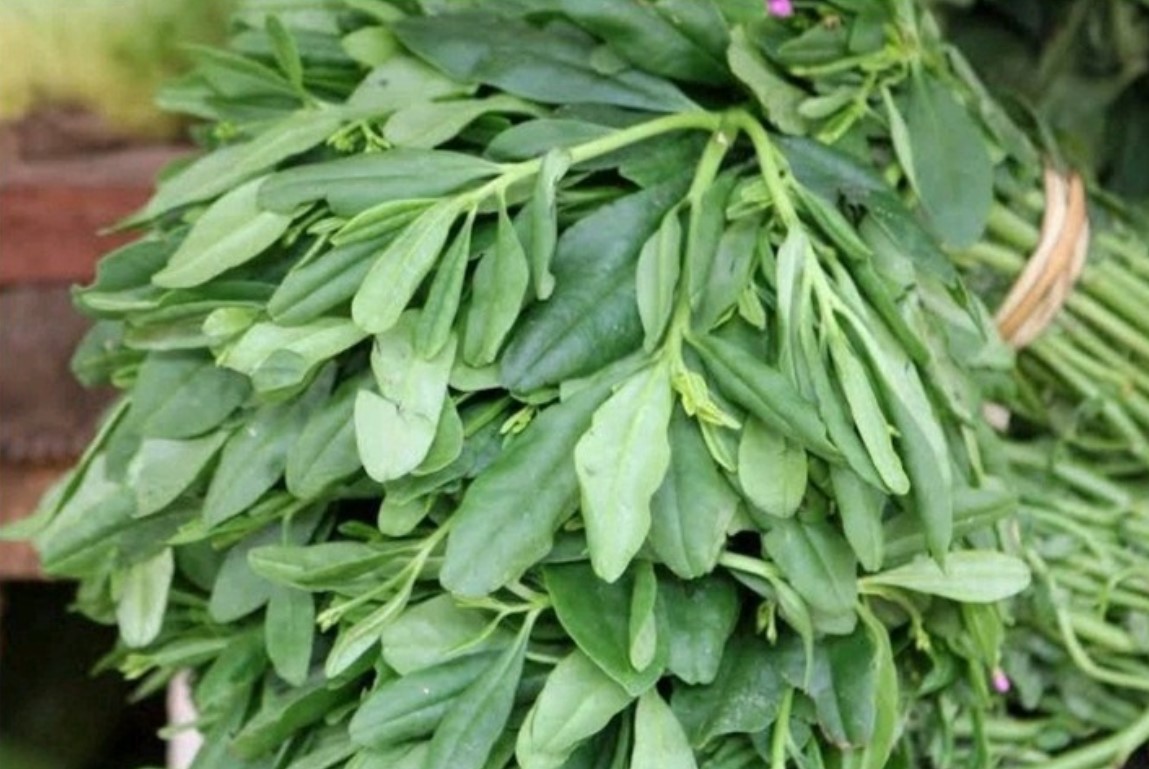
Experts Highlight Vegetables That May Support Healthy Aging After 60
Health and nutrition experts are continuing to encourage older adults to adopt vegetable-rich diets as part of efforts to maintain good health and reduce the risk of chronic illnesses associated with aging.
Medical professionals note that individuals aged 60 and above face a higher likelihood of developing conditions such as heart disease, diabetes, high blood pressure, osteoporosis, and certain cancers. As a result, diets rich in vegetables are often recommended due to their abundance of vitamins, minerals, fiber, and antioxidants that support overall wellbeing.
Among the vegetables frequently highlighted is waterleaf, a popular ingredient in many African dishes. Rich in vitamins A and C, iron, and calcium, waterleaf is believed to support bone health, improve digestion, and contribute to healthy blood formation.
Pumpkin leaves, commonly known as ugu, are also praised for their nutritional value. They contain iron, protein, calcium, and essential vitamins that may help strengthen bones, support cardiovascular health, and aid general body function.
African eggplant leaves are another nutritious option, providing fiber and antioxidants that can promote healthy digestion and assist in maintaining balanced blood sugar levels. Similarly, basil leaves, often called scent leaves, contain natural compounds with antioxidant and anti-inflammatory properties.
Spinach varieties, including African spinach and Lagos spinach, remain among the most recommended vegetables due to their rich supply of vitamins A, C, E, and K, along with folate, potassium, iron, and magnesium. These nutrients contribute to healthy vision, strong bones, and improved heart health.
Bitterleaf also continues to be valued for its potential digestive benefits and role in supporting blood sugar management.
Experts stress that while these vegetables can contribute significantly to healthy aging, they should be part of a balanced lifestyle that includes regular exercise, adequate hydration, sufficient sleep, and routine medical check-ups. Proper washing and preparation of vegetables are also essential to ensure food safety and preserve nutritional value.







Comments
0 comments