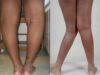

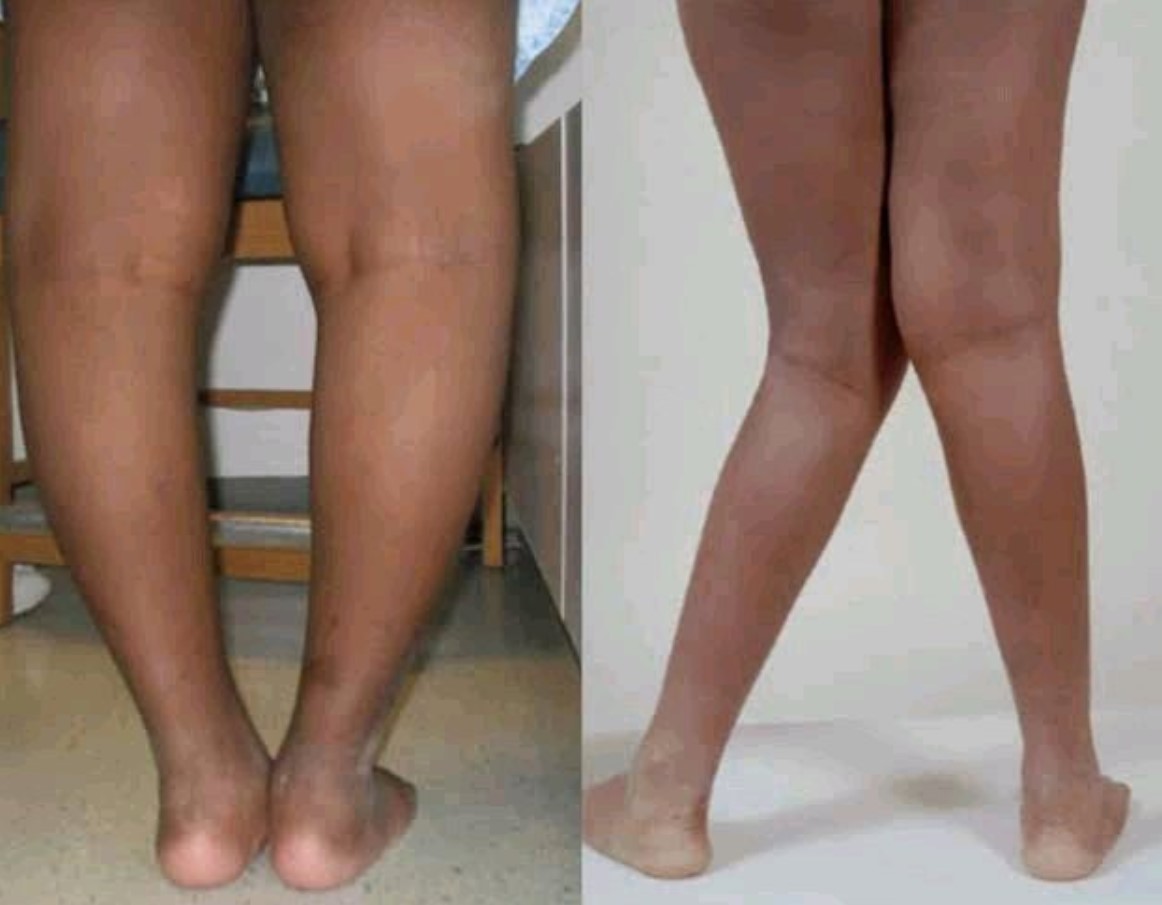
When a person has knees that appear to angle inward, with the knees touching while the feet remain separated, this condition is known as genu valgum, commonly called knock knees. It can appear in children during normal growth but may also affect adults in certain situations. The opposite condition, known as genu varum or bow legs, occurs when the feet come together but a noticeable gap remains between the knees.
Doctors usually assess knee alignment by measuring the angle where the thigh bone meets the shinbone or by checking the distance between the ankles when the knees are together. In some cases, physical examinations, photographs, or X-rays are used to understand the severity of the alignment issue.
For many children, knock knees are simply part of normal development. A child’s leg alignment often changes naturally as they grow. Babies may start with curved legs, then develop straighter alignment around early childhood, move through a stage where the knees angle inward, and eventually return to a more typical position between the ages of six and eleven.
However, in some cases, noticeable knock knees can be linked to underlying health conditions. Certain neurological disorders, including cerebral palsy and spina bifida, can affect muscle balance and place unusual stress on the bones, leading to changes in knee positioning. Bone conditions caused by poor mineral development, such as rickets, can also contribute to abnormal leg alignment.
Other possible factors include metabolic bone disorders, skeletal growth problems, short stature, and joint or bone abnormalities. Children who are overweight may experience more pronounced knock knees, especially when combined with flat feet or unusually flexible joints.
Many parents seek medical advice because they are concerned about how their child stands or walks. In most cases, naturally occurring knock knees improve with age and do not require treatment. Adults dealing with severe pain from arthritis linked to knee alignment may benefit from supportive devices or orthopedic solutions. For more serious cases that cause pain or movement difficulties, medical procedures may be considered to improve the alignment.