
What Taking Turmeric May Do to Your Blood Sugar, Joint Health, and More
 Follow on Google News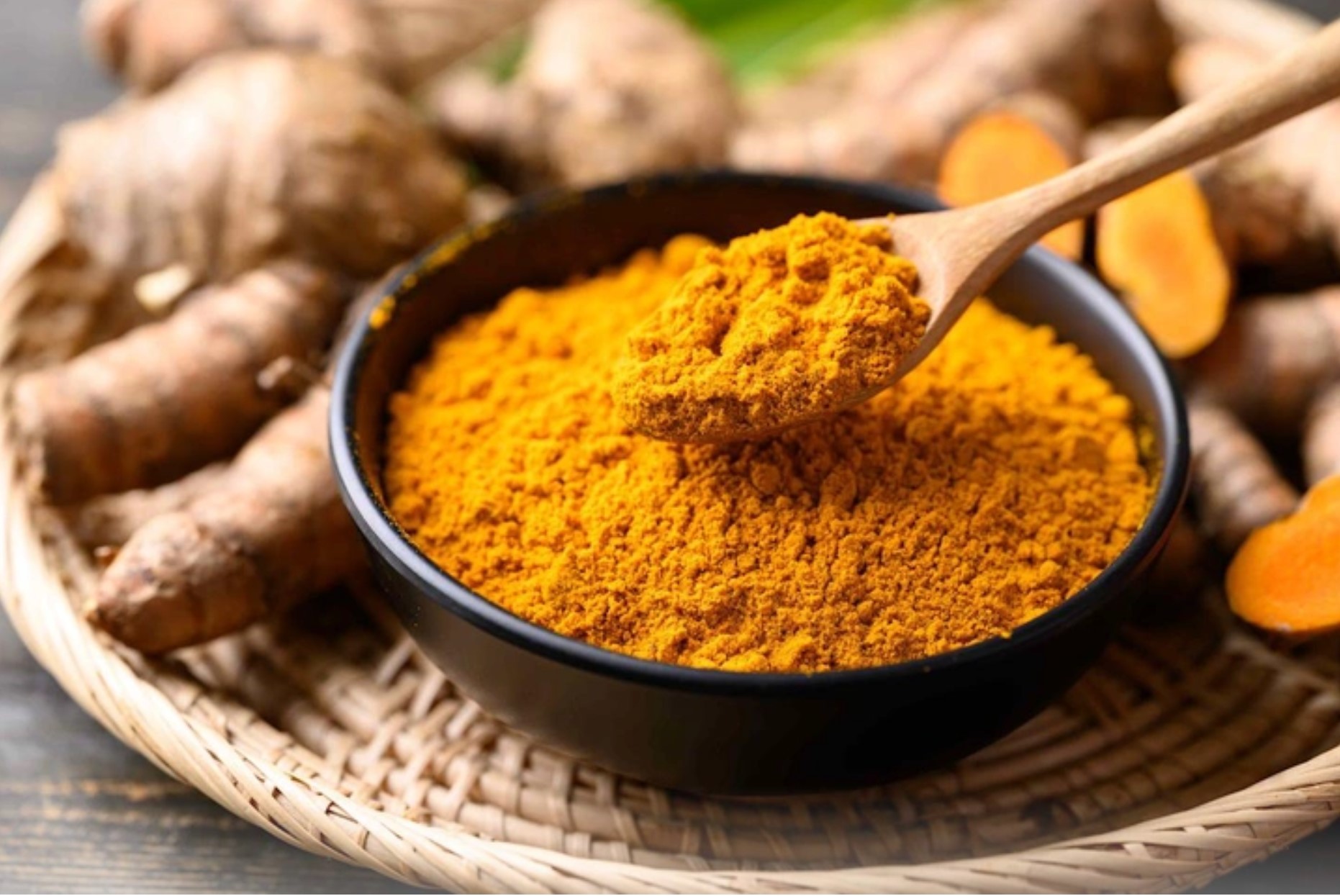
-
Turmeric’s active compound, curcumin, offers powerful antioxidant and anti-inflammatory benefits.
-
Research suggests curcumin may help protect your body against chronic inflammation, support your immune system, and aid in heart and liver health.
-
Taking turmeric regularly, especially through diet, can boost absorption and make it an easy, flavorful way to support wellness.
Turmeric (Curcuma longa) is a root from the ginger family that has been a staple in Southeast Asia for over 4,000 years. It’s widely used in cooking and religious ceremonies, and has medicinal benefits that stem from its active ingredient, curcumin, which gives turmeric its vibrant yellow color and antioxidant potential.
1. You Could Get an Antioxidant Boost
The curcumin in turmeric haspowerful antioxidant properties. It protects your health by:
-
Reducing harmful free radicals
-
Boosting your body’s natural antioxidant defenses
-
Limiting lipid (fat) deterioration reactions, which are known to damage your cells
2. You May Experience Less Inflammation
Curcumin shows promise for treating inflammatory diseases by:
-
Blocking factors that trigger inflammation
-
Lowering levels of chemicals that cause inflammation (cytokines)
-
Reducing the activity of enzymes that fuel inflammation
3. Your Wounds May Heal Faster
Turmeric is widely used across South Asia as an antiseptic for cuts, burns, and bruises.
Current research suggests that curcumin, when applied topically (on the skin), may reduce burn size and swelling due to its antioxidant, anti-inflammatory, and collagen-boosting properties.
If turmeric is already a staple in your pantry, you can create a homemade healing salve for a minor closed wound by mixing equal amounts of turmeric and water with a bit of oil and pepper to enhance its effectiveness.
4. Your Joints May Feel Less Stiff and Achy
Curcumin may help ease joint swelling and stiffness by:
-
Blocking your body’s inflammatory signals
-
Supporting your immunity
-
Clearing dysfunctional immune cells
Research suggests that 250-1,500 milligrams (mg) of curcumin daily for 8-12 weeks may provide relief for people with rheumatoid arthritis.
5. Your Heart May Function Better
Curcumin may influence certain proteins, like Nrf2, which have anti-inflammatory andheart-protective effects. It could also help strengthen blood vessels, improving blood flow—an essential factor for your heart’s health and proper functioning.
6. Your Liver May Detoxify and Repair More Effectively
Curcumin influences an enzyme known as HO-1, which can break down heme, an important molecule found in red blood cells.
This heme breakdown produces antioxidants like biliverdin, which transforms into bilirubin. Both enhance your liver’s ability to detoxify, repair, and protect itself from oxidative damage and inflammation.
7. Your Allergy Symptoms May Improve
Curcumin can help ease allergy symptoms in conditions such as asthma, dermatitis, and seasonal allergies (hay fever). Research suggests that it may:
-
Help regulate your immune system
-
Reduce inflammatory responses
-
Minimize the release of histamine, a chemical that triggers allergic reactions
In studies involving turmeric at dosages ranging from 500-1,000 mg per day over 1 to 2-month periods, patients reported reduced itching in dermatitis, reduced severity of hay fever, and reduced asthma symptoms.
8. Your Blood Sugar Could Become Easier to Manage
Curcuminoids are natural substances found in turmeric, with curcumin being the most common one. They might help people with type 2 diabetes by improving insulin sensitivity and lowering blood sugar levels.
However, if taken alongside diabetic medications or insulin, they could cause blood sugar to drop too low.
9. You Could Help Slow Down Aging
Curcumin might slow aging and delay age-related disease by:
-
Lowering harmful molecules known as reactive oxygen species (ROS), which tend to increase as you age
-
Helping reduce DNA damage
-
Preventing cellular dysfunction
-
Lowering inflammation
10. You May Be Better Protected Against Cancer
Pre-clinical studies have found that curcumin may help prevent tumor growth and the spread of cancer by:
-
Blocking inflammation, cell damage, and cell death
-
Helping cut off a tumor’s blood supply by stopping the growth of new blood vessels
-
Making your cell tissue more resistant to damage
Human clinical trials are needed to confirm these benefits. That said, high doses of curcumin can have side effects like diarrhea, nausea, and headaches.
11. Your Esophagus May Stay Healthier With GERD
Curcumin shows promise in reducing inflammation and protecting against damage caused by acute acid reflux in gastroesophageal reflux disease (GERD).
In studies comparing curcumin to PPIs (common drugs that help reduce acid), curcumin was slightly less effective at reducing acid-related damage to the esophagus. However, it offered stronger protection when both bile and acid were present, a more harmful type of reflux. This may be due to its strong antioxidant and anti-inflammatory properties.
While the results are encouraging, more research is needed to confirm these effects.
12. Your Mood May Improve Naturally
Curcumin has potential as a stand-alone treatment and as an add-on to traditional medications for adults with clinical depression. This may be due to its ability to restore the activity of neurotransmitters, such as serotonin and dopamine, which are chemical messengers in the brain.
Animal studies show curcumin can reduce symptoms of depression, and some clinical trials support these findings. However, larger clinical trials are needed to understand how much and how often to take it for these benefits.
How to Safely Add More Turmeric Into Your Diet
As with most supplements, just because turmeric is natural doesn’t mean that it can be used in an unlimited capacity. Therapeutic doses of curcumin may range from 250–1,500 mg in concentrated capsule form, taken over a period of 8-12 weeks.
It’s safest to add turmeric to your diet through food instead of supplements—turmeric complements bright, acidic flavors and adds a golden hue, making it ideal for savory stews, curries, rice, and roasted vegetables. Here are some delicious ways to incorporate turmeric into your daily diet:
-
Savory dishes: Turmeric adds a warm, golden hue and earthy aroma to your stews, curries, soups, and sauces.
-
Golden milk: Turmeric, ginger, cinnamon, and other spices mixed into warm milk make a golden-colored, anti-inflammatory drink.
-
Smoothies: Add a teaspoon of turmeric to your favorite smoothie for a vibrant, antioxidant-boosting twist. It pairs nicely with tropical fruits like pineapple and mango.
-
Dressings: Elevate your salads with a turmeric-infused dressing. Combine yogurt, oil, garlic, lemon, mustard, and a touch of honey for a zesty, creamy dressing.
-
Rice dishes: Mix turmeric into your rice for a fragrant, golden side dish to complement your fish, beef, or chicken dishes.
-
Roasted vegetables: Toss your vegetables with turmeric, olive oil, sea salt, and some tangy, zesty seasoning before roasting.






Comments
0 comments