
What to Do If You’re Alone During a Heart Attack — And Critical Mistakes to Avoid
 Follow on Google News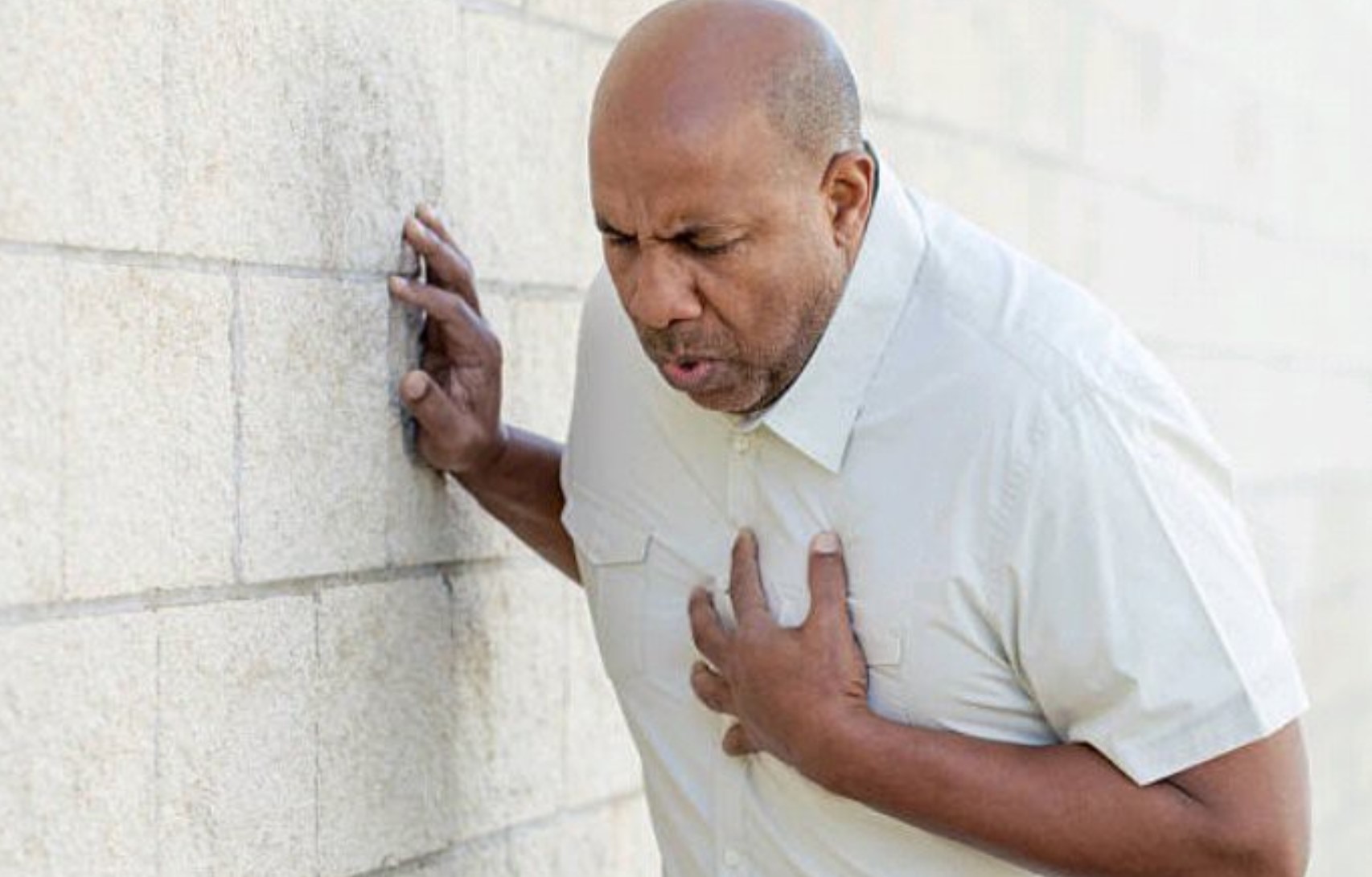
A heart attack can strike suddenly, and experiencing it alone can feel overwhelming. But knowing exactly what to do in those first moments can greatly improve your chances of survival.
A heart attack happens when blood flow to the heart is blocked, often due to a clot. Without oxygen, the heart muscle begins to weaken and can suffer permanent damage if treatment is delayed. Acting quickly is absolutely essential.
Recognizing the Warning Signs
A Heart Attack doesn’t always look the same for everyone, but common symptoms include:
- Chest pain or pressure
- Pain spreading to the arm, jaw, neck, or back
- Shortness of breath
- Cold sweat or dizziness
- Nausea or unusual fatigue
If you notice these symptoms, do not ignore them — even if they seem mild.
What You Should Do Immediately
1. Call emergency services right away
Your first move should always be to get professional help. Do not wait to see if the symptoms will go away. Every minute counts when the heart is under stress.
2. Stay as calm as possible
Panic increases your heart rate and makes the situation worse. Try to take slow, controlled breaths and focus on staying still.
3. Take an aspirin (if appropriate)
If you are not allergic and have been medically advised before, chewing an Aspirin can help reduce blood clotting and improve blood flow.
4. Sit or lie down properly
Position yourself comfortably — either sitting with support or lying slightly elevated. This reduces strain on your heart.
What You Must Avoid
Do NOT drive yourself to the hospital
This is one of the most dangerous decisions you can make. Your condition can suddenly worsen, putting you and others at risk on the road.
Do NOT ignore the symptoms
Many people delay seeking help, hoping the discomfort will pass. This delay can lead to severe heart damage or death.
Do NOT engage in physical activity
Avoid walking around, lifting objects, or doing anything that increases your heart’s workload.
Do NOT rely on home remedies
A heart attack is a medical emergency — it cannot be treated at home. Professional care is essential.
Why Acting Fast Matters
Most heart attacks are linked to Coronary Artery Disease, where arteries become narrowed over time. Risk factors include high blood pressure, diabetes, smoking, high cholesterol, and family history.
The faster you receive treatment, the more heart muscle can be saved. Delays increase the risk of serious complications or permanent damage.
Final Advice
If a heart attack happens while you’re alone, remember three key things:
👉 Act immediately
👉 Stay calm
👉 Call for help
These simple steps can make the difference between life and death. Being prepared isn’t about fear — it’s about giving yourself the best possible chance to survive.






Comments
0 comments