
Why Do You Get Acidity, Heartburn, and Stomach Gas?
 Follow on Google News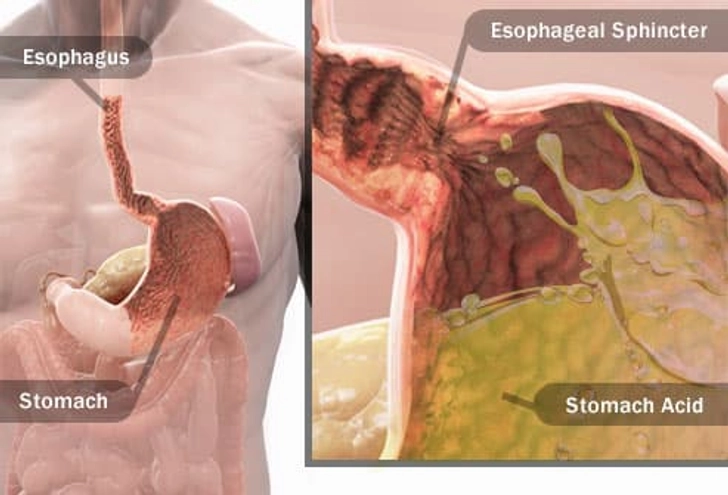
Acidity, heartburn, and stomach gas are problems many people deal with, and they can be really uncomfortable. They often feel different, but they usually come from the same thing—how your stomach is handling food and acid.
One of the biggest reasons is what you eat. Spicy foods, oily meals, fried snacks, coffee, chocolate, and fizzy drinks can make your stomach produce more acid than it needs. When that acid becomes too much, it can rise up into your food pipe and cause that burning feeling in your chest known as heartburn. Gas can also build up when food is not fully digested.
How you eat also matters a lot. Eating too fast or eating too much at once puts pressure on your stomach. Skipping meals and then eating a big portion later can confuse your digestion and lead to bloating and discomfort. Even lying down right after eating can make acid flow upward more easily.
Stress is another hidden cause people don’t always think about. When you are worried or anxious, your body can produce more stomach acid and slow down digestion. That can leave you feeling bloated, gassy, or uneasy in your stomach.
Some foods naturally produce more gas when they break down, like beans, cabbage, onions, and sometimes dairy. This is normal, but in some people it can cause noticeable discomfort.
There is also a small muscle in your body that helps keep stomach acid where it belongs. When it becomes weak, acid can escape upward and trigger frequent heartburn.
Lifestyle habits can make things worse too. Not drinking enough water, sitting too much, smoking, or lack of exercise can slow digestion and increase symptoms.
The good news is that small changes often help a lot. Eating slowly, avoiding trigger foods, staying active, and managing stress can calm your stomach. And if the problem keeps coming back or gets worse, it’s worth checking with a healthcare professional to understand what’s really going on.






Comments
0 comments