
Why You Should Limit Your Intake of White Rice
 Follow on Google News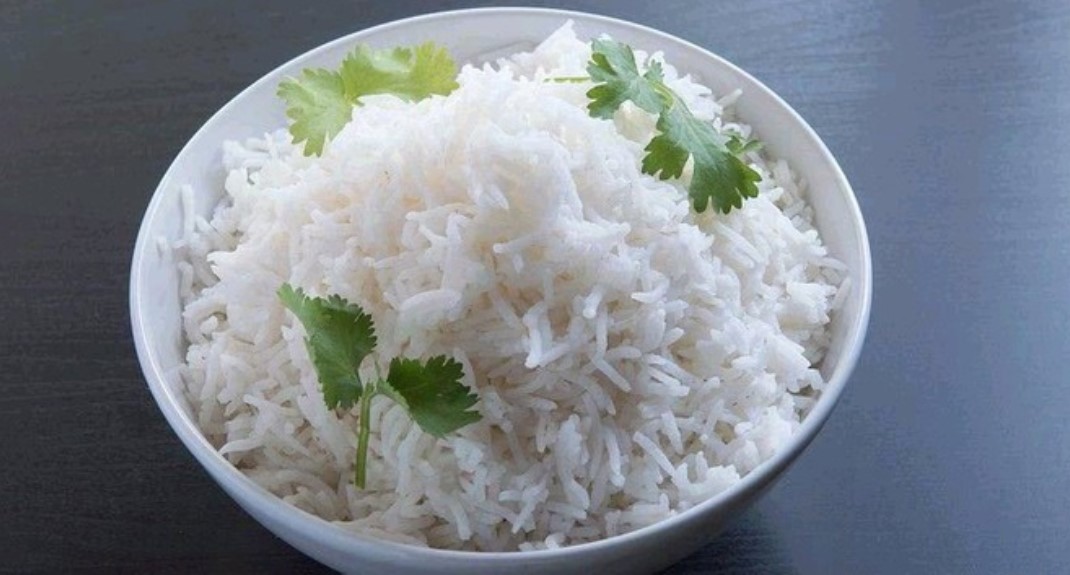
White rice is a common food in many households because it is affordable, easy to prepare, and pairs well with different meals. While it can be part of a balanced diet, eating too much white rice regularly may contribute to certain health problems. Understanding these risks can help you make healthier food choices.
One concern is the effect of white rice on blood sugar levels. White rice is a refined grain that has lost much of its fiber during processing. As a result, it is digested quickly and can cause a rapid rise in blood sugar. People who frequently consume large amounts of white rice may have a higher risk of developing type 2 diabetes, especially when combined with a sedentary lifestyle.
Excessive consumption of white rice may also contribute to weight gain. Because it contains less fiber than whole grains, it may not keep you feeling full for long. This can lead to increased hunger and overeating, which may result in the accumulation of excess body fat over time.
Another issue is reduced nutrient intake. During processing, white rice loses important nutrients such as vitamins, minerals, and fiber. If it makes up a large portion of your diet, you may miss out on nutrients that are found in whole grains, fruits, vegetables, and legumes. This can affect overall health and wellbeing.
Digestive problems may also occur in some individuals. Fiber plays an important role in supporting healthy digestion and regular bowel movements. Since white rice is relatively low in fiber, relying on it too heavily may increase the risk of constipation and other digestive discomforts.
Additionally, diets high in refined carbohydrates may increase the risk of heart disease when combined with unhealthy eating habits. Replacing some servings of white rice with whole grains such as brown rice, millet, or sorghum can support better heart health.
White rice does not need to be completely avoided. However, moderation is important. Combining it with vegetables, beans, lean proteins, and other nutrient-rich foods can help create a healthier and more balanced diet while reducing the risk of long-term health problems.






Comments
0 comments