

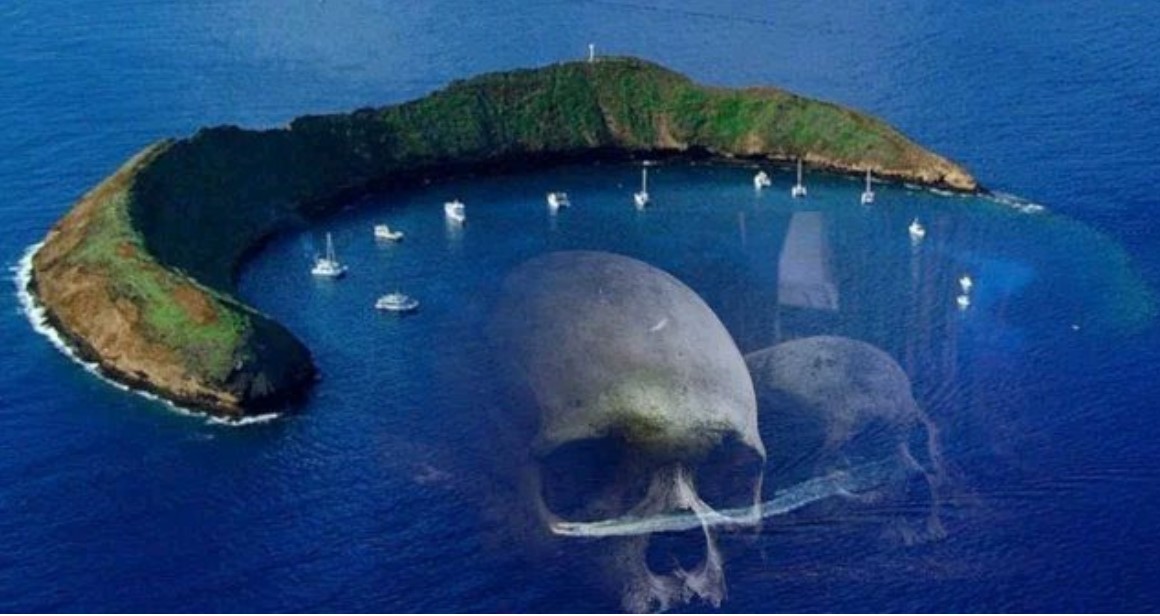
Across the globe, there are several locations widely regarded as extremely dangerous for human visitation due to a combination of environmental hazards, wildlife threats, radiation exposure, and ongoing conflict. Authorities and international organisations consistently warn against travel to some of these areas, where even brief exposure can pose serious risks to life and safety.
10. North Sentinel Island (India)
North Sentinel Island is inhabited by the Sentinelese, one of the most isolated indigenous groups in the world. The Indian government has strictly prohibited access to the island, and previous attempts to make contact have resulted in fatalities. A protected exclusion zone remains in place to safeguard both the tribe and outsiders.
9. Chernobyl Exclusion Zone (Ukraine)
Following the 1986 nuclear disaster, the Chernobyl area was evacuated due to dangerous radiation levels. While limited guided tours exist in certain safe zones, parts of the region still contain hazardous contamination, and unauthorized entry is illegal.
8. Darién Gap (Panama and Colombia)
This dense rainforest region lacks roads and infrastructure, making it one of the most difficult land passages in the world. Travelers face risks including wildlife, harsh terrain, disease, and criminal activity linked to smuggling routes.
7. Death Valley (United States)
Known as one of the hottest places on Earth, Death Valley regularly experiences extreme temperatures exceeding 50°C. Heat exhaustion, dehydration, and isolation make survival difficult for unprepared visitors.
6. Snake Island (Brazil)
Ilha da Queimada Grande is home to thousands of venomous snakes, including the highly dangerous golden lancehead viper. Access is strictly controlled by Brazilian authorities, with only limited scientific entry permitted.
5. Active War Zones
Regions affected by armed conflict, including parts of Yemen, Syria, Sudan, and Ukraine, remain highly dangerous due to airstrikes, violence, and instability. Civilian safety in these areas is severely compromised.
4. Mount Everest Death Zone (Nepal and Tibet)
Above 8,000 meters, oxygen levels become critically low. Climbers face extreme cold, avalanches, and altitude sickness, with many fatalities recorded during summit attempts.
3. Restricted Tomb Areas in the Valley of the Kings (Egypt)
Some ancient burial sites contain toxic air, unstable structures, and hazardous biological material. Unauthorized access can pose serious health and safety risks.
2. Lake Natron (Tanzania)
Lake Natron’s highly alkaline waters can cause severe skin and eye damage. Combined with extreme heat, the environment is hostile to most forms of life.
1. Fukushima Exclusion Zone (Japan)
After the 2011 nuclear disaster, parts of Fukushima remain restricted due to lingering radiation and structural hazards. Entry is controlled, and unsafe zones remain off-limits.
These locations are considered dangerous due to verified risks such as radiation, extreme weather, conflict, and environmental toxicity. Authorities continue to enforce strict restrictions to prevent loss of life and ensure public safety.