
1976 Succession Crisis: How Lt. General T Y Danjuma Reportedly Declined to Succeed Murtala Muhammed, Paving Way for Obasanjo
 Follow on Google News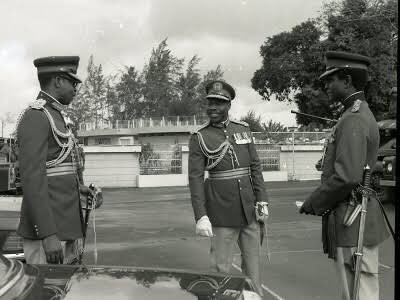
General Murtala Ramat Muhammed’s short but impactful rule as Nigeria’s Head of State began on July 29, 1975, following the bloodless coup that ousted General Yakubu Gowon. In just 200 days, Murtala earned massive public support through his bold reforms. He launched a sweeping anti-corruption purge in the civil service, sacking thousands of officials perceived as inefficient or corrupt. He also created new states, initiated plans to move the federal capital to Abuja, and promised a swift return to civilian rule by 1979.
Murtala’s decisive and sometimes ruthless style, however, created powerful enemies within the military and bureaucracy. His aggressive reforms disrupted entrenched interests, and his firm stance against corruption and indiscipline made him both loved by ordinary Nigerians and feared by those who felt threatened by his changes.
On the morning of February 13, 1976, tragedy struck. Murtala was travelling in his black Mercedes Benz from his residence on Victoria Island to Dodan Barracks when his convoy was ambushed in Ikoyi by soldiers loyal to Lt. Col. Buka Suka Dimka. In the hail of bullets, Murtala, his driver, and his Aide-de-Camp, Lieutenant Akintunde Akinsehinwa, were killed. The failed coup attempt led by Dimka plunged the nation into shock and uncertainty.
In the hours following the assassination, members of the Supreme Military Council (SMC) convened an emergency meeting to prevent a leadership vacuum. At the time, Lt. General Theophilus Yakubu Danjuma was the powerful Chief of Army Staff, while Lt. General Olusegun Obasanjo served as Chief of Staff, Supreme Headquarters — technically the number two position.
According to historical narrations, when the SMC deliberated on Murtala’s successor, Danjuma reportedly received more votes among the council members. However, he declined the position, citing personal and professional reasons. His refusal paved the way for Obasanjo to emerge as the new Head of State.
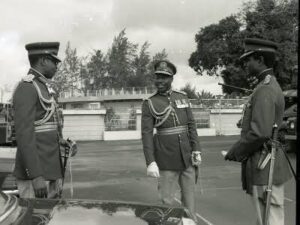
This account, which surfaced years later through accounts from SMC insiders including then-Colonel Ibrahim Babangida, challenges the simplified narrative that Obasanjo automatically succeeded Murtala due to hierarchy alone. Danjuma’s decision helped maintain unity within the military government at a very tense moment.
Obasanjo would later lead Nigeria through a successful transition to civilian rule in 1979, handing over power to President Shehu Shagari.
Sources & Context:
This version draws from popular historical narrations (credited to accounts like @omolokun1) and aligns with documented details of the 1976 succession process in Nigerian military history.
What do you think about this succession story? Should Danjuma have accepted the position, or was stepping aside the wiser move? Share your thoughts in the comment section.



Comments
0 comments