
7 Diseases That Can Kill You Within 24 Hours
 Follow on Google News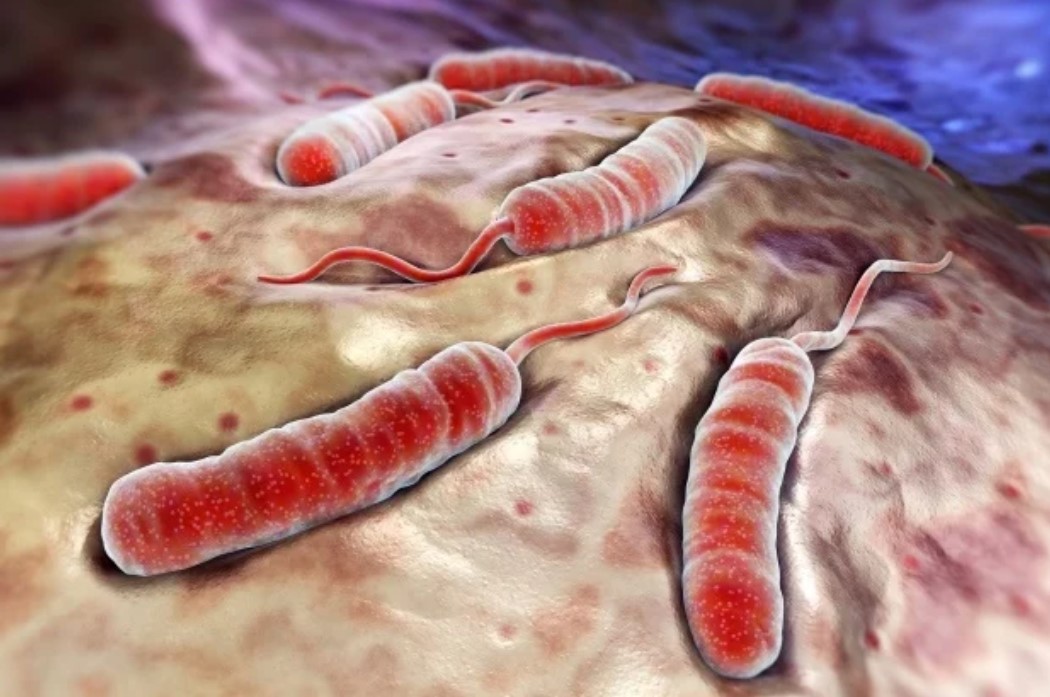
Some illnesses move slowly, giving doctors time to treat them and patients time to recover. Others, however, act very fast and can become life-threatening within a single day if not treated immediately. These conditions are often sudden, aggressive, and sometimes difficult to recognize early. Knowing about them can help you act quickly and possibly save a life.
1. Sepsis
Sepsis happens when the body reacts badly to an infection and starts damaging its own tissues. It can begin from something as common as a wound, pneumonia, or a urinary tract infection. Within hours, it may lead to organ failure. Symptoms include high fever, confusion, fast breathing, and a rapid heartbeat.
2. Meningitis
This is an infection that affects the protective layers around the brain and spinal cord. Some types, especially bacterial meningitis, can worsen very quickly. Signs include a stiff neck, severe headache, vomiting, sensitivity to light, and sometimes seizures.
3. Cholera
Cholera causes extreme diarrhea and vomiting, leading to rapid dehydration. Without quick treatment, a person can lose dangerous amounts of fluid in a very short time. This disease is more common in areas with unsafe drinking water.
4. Ebola Virus Disease
Ebola is rare but very serious. It spreads through contact with infected body fluids and can lead to severe bleeding, organ failure, and death if not treated quickly. Early symptoms may look like flu but worsen rapidly.
5. Necrotizing Fasciitis
Often called a “flesh-eating disease,” this infection spreads quickly through the skin and soft tissues. It can start from a small cut or injury but rapidly destroys tissue. Immediate medical attention is critical.
6. Acute Pancreatitis
This condition causes severe abdominal pain and can quickly lead to complications like organ failure. It may be triggered by alcohol use, gallstones, or other health issues.
7. Anaphylaxis
Anaphylaxis is a sudden and severe allergic reaction that can happen within minutes after exposure to allergens like certain foods, insect stings, or medications. It can cause difficulty breathing, swelling, and a dangerous drop in blood pressure.
While these diseases are dangerous, it is important to remember that early recognition and fast medical care can make a huge difference. Paying attention to unusual symptoms and seeking help immediately can save lives. Prevention, awareness, and quick action remain the best defenses against these rapidly progressing conditions.






Comments
0 comments