
JUSTIN-IN: Urine Blockage Kills — Avoid These 5 Habits To Prevent Urine Blockages
 Follow on Google News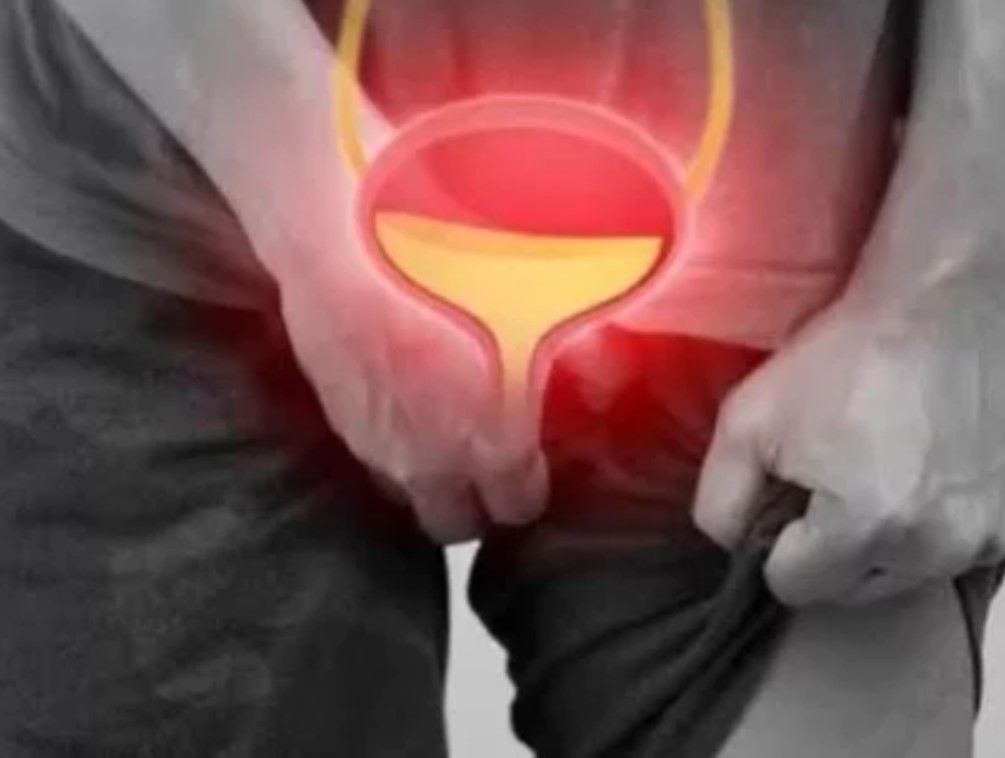
Urine blockage, medically known as Urinary Retention, is a serious condition that can quickly escalate into life-threatening complications if not addressed promptly. Health experts warn that ignoring early symptoms or maintaining harmful habits can increase the risk of severe outcomes, including kidney damage and infection.
Urinary retention occurs when the bladder cannot empty completely, leading to a painful buildup of urine. In severe cases, it can contribute to Kidney Failure or dangerous infections such as Sepsis. While medical conditions like prostate enlargement or nerve damage may play a role, everyday habits can significantly increase the risk.
1. Ignoring the Urge to Urinate
Many people delay urination due to work, travel, or inconvenience. Regularly holding urine puts pressure on the bladder and weakens its function over time, increasing the likelihood of blockage and infection.
2. Poor Hydration Habits
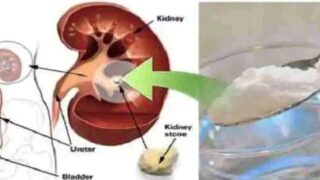
Not drinking enough water leads to concentrated urine, which can irritate the urinary tract and contribute to stone formation. Kidney Stones can obstruct urine flow and trigger severe pain and complications.
3. Excessive Alcohol and Caffeine Intake
Alcohol and caffeinated drinks can irritate the bladder and disrupt normal urinary function. Over time, they may worsen symptoms in individuals already at risk of urinary issues.
4. Self-Medicating Without Guidance
Certain medications, including some antihistamines and pain relievers, can interfere with bladder function. Using drugs without proper medical advice may increase the risk of urinary retention.
5. Ignoring Early Warning Signs
Symptoms such as difficulty starting urination, weak urine flow, lower abdominal pain, or a constant feeling of a full bladder should never be ignored. These may be early signs of urinary blockage that require prompt medical attention.
If left untreated, urine blockage can lead to infections, bladder damage, and even life-threatening complications. Early diagnosis and lifestyle adjustments can make a significant difference in preventing long-term harm.
When to Seek Help
Seek immediate medical attention if you experience severe pain, inability to urinate, swelling in the lower abdomen, or signs of infection such as fever. Timely intervention can prevent complications and save lives.





Comments
0 comments