
Our mouths often reveal more about our health than we realize. In many cases, small changes inside the mouth can be early warning signs that something is wrong in the body. People living with HIV/AIDS may experience certain mouth problems when the immune system becomes weak. While these symptoms do not always mean someone has HIV, they should never be ignored, especially when they persist for a long time.
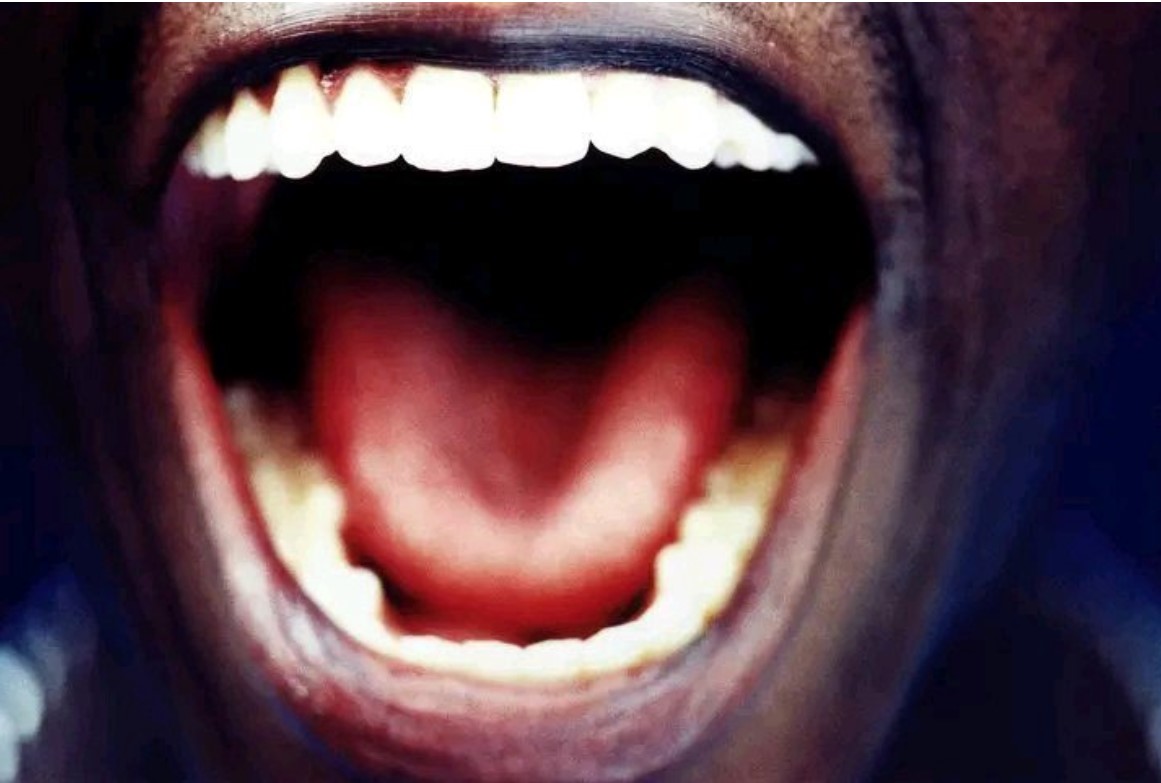
One of the most common signs is oral thrush. This appears as thick white patches on the tongue, gums, or inner cheeks and may cause pain while eating or swallowing. Painful mouth sores that refuse to heal are also common. Some people notice unusual redness inside the mouth or dark patches that were not there before.
Bleeding gums can also become a serious concern. A person may brush gently yet still notice blood or swelling around the teeth. In some cases, gum disease becomes severe, causing discomfort, bad breath, and even loose teeth. These infections may spread quickly when the body struggles to fight germs.
Another warning sign is constant dry mouth. Saliva helps protect the mouth, so when it reduces, speaking, chewing, and swallowing may become uncomfortable. Some people also complain of a burning tongue or a strange metallic taste when eating food. Cracks forming at the corners of the lips may also appear and become painful over time.
Certain people develop white hairy-looking patches on the sides of the tongue, a condition linked to weakened immunity. Others experience swollen salivary glands, making the cheeks appear puffy. Repeated cold sores, constant sore throat, and recurring mouth infections may also occur more frequently than normal.
Eating may become difficult because of mouth pain and sensitivity. Hot tea, spicy food, or even simple meals may suddenly feel irritating. These problems can affect confidence, appetite, and overall well-being if they are not treated early.
It is important to remember that no mouth symptom alone can confirm HIV. Many ordinary illnesses can cause similar changes. The safest step is to visit a health professional for proper testing and medical advice. Early diagnosis and treatment can help people live long and healthy lives.
Good oral hygiene, regular dental checkups, healthy eating, and timely medical care remain very important. Paying attention to unusual mouth changes can protect not only oral health but overall health as well.