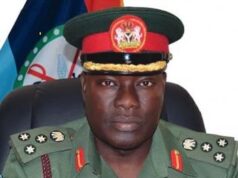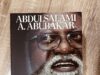

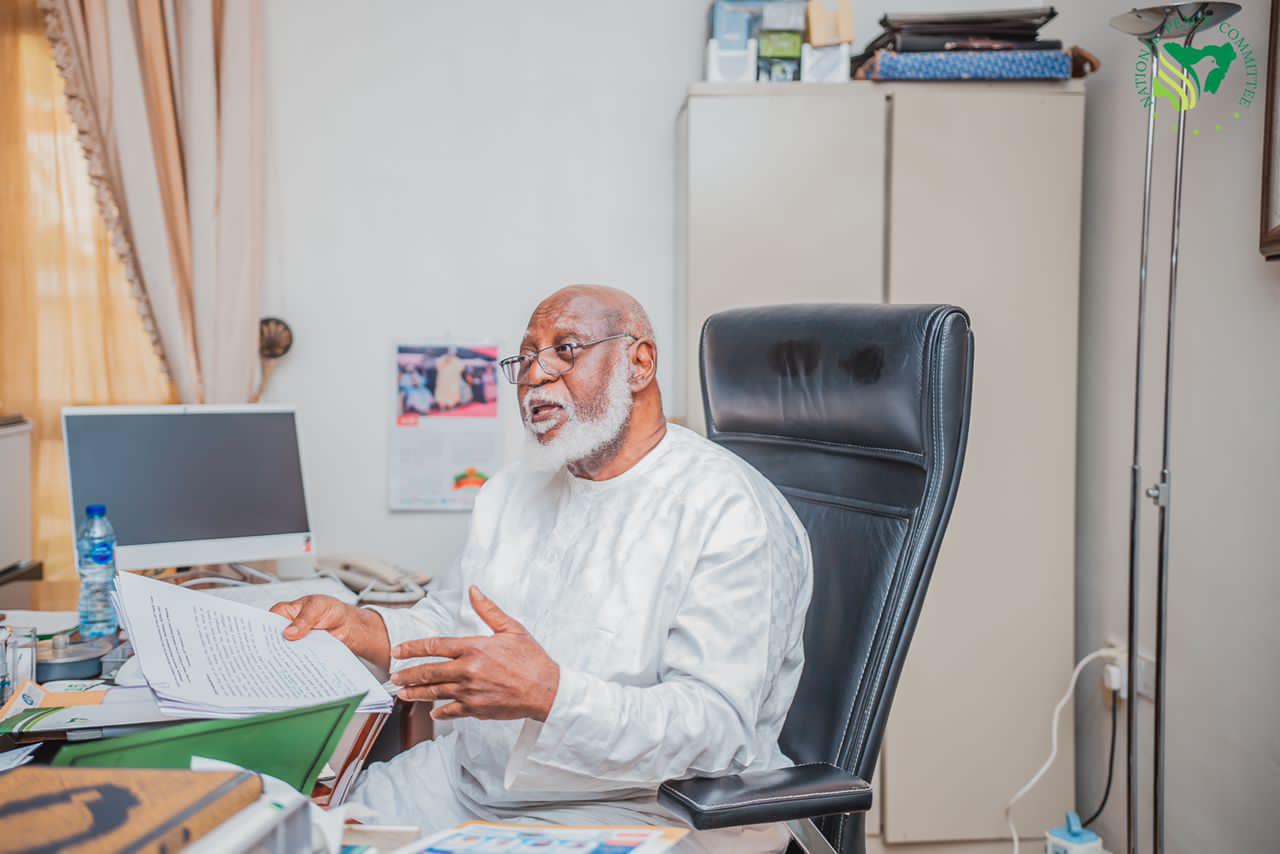
The sudden death of General Sani Abacha on June 8, 1998, threw Nigeria’s military establishment into a tense power vacuum. In the immediate hours that followed, a combination of protocol, suspicion, ambition, and strategic consensus led to the swift emergence of General Abdulsalami Abubakar as the new Head of State.
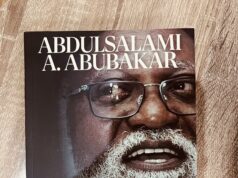
At the time of Abacha’s death, Abdulsalami Abubakar was the Chief of Defence Staff — a senior but not the most senior officer in the hierarchy. According to his autobiography Call of Duty, he received an urgent early morning call summoning him to the Presidential Villa. Upon arrival, instead of being taken to meet Abacha, he was ushered into a room and locked in from the outside along with another senior officer. For over an hour, they remained isolated with no information.
When the door was finally opened (reportedly by then Inspector-General of Police Ibrahim Coomassie), Abdulsalami was informed of Abacha’s death. He was shocked and immediately asked to see the body and offer prayers.
Behind-the-Scenes Power Play
The hours after Abacha’s death were marked by intense manoeuvring within the Provisional Ruling Council and among top military brass. Several accounts suggest that some senior officers, including Lt. General Ishaya Bamaiyi (Chief of Army Staff), had ambitions for the position. There were also reports of other figures like Jeremiah Useni (Minister of the Federal Capital Territory) positioning themselves.
Abdulsalami was not the automatic choice by strict hierarchy. Some narratives indicate he was actually due for retirement around that period. However, several factors worked in his favour:
– He was seen as a calm, professional, and relatively neutral figure who could unify the military and prevent a bloody internal power struggle.
– His position as Chief of Defence Staff gave him a broad overview of the armed forces.
– The inner circle reportedly wanted a smooth transition that would not trigger immediate unrest or international backlash.
The Provisional Ruling Council eventually reached a consensus. In the early hours of June 9, 1998 (around 1:43 a.m.), Abdulsalami Abubakar was formally selected. He was promoted to General and sworn in as Head of State the same day.
Why Abdulsalami?
Analysts point to a few key reasons the military settled on him:
1. Stability and Unity — After years of Abacha’s iron-fisted rule and growing international isolation, the top brass needed someone who could steady the ship without radical changes or vendettas.
2. Perceived Loyalty and Professionalism — Abdulsalami was respected within the military as a career soldier with peacekeeping experience and no major personal political baggage at the time.
3. Avoiding a Power Struggle — Choosing a more ambitious or divisive figure could have led to factions and potential counter-coups. Abdulsalami represented a safe, consensus choice.
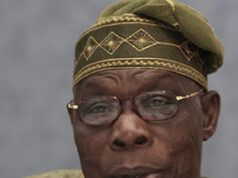
His short 11-month reign proved remarkably different from Abacha’s. He quickly announced a transition programme, released political detainees, liberalised the political space, and successfully handed over power to a civilian government led by Olusegun Obasanjo on May 29, 1999 — ending 16 years of uninterrupted military rule and birthing Nigeria’s Fourth Republic.
The swift and relatively peaceful succession after Abacha’s death remains a masterclass in military crisis management, even as questions linger about the exact dynamics, the locked-room episode, and the full extent of internal ambitions that day.
Decades later, Abdulsalami’s emergence is remembered as a pivotal moment that helped pull Nigeria back from the brink and set the country on the path to democracy.
What do you think about how the military handled the succession? Was Abdulsalami the best choice, or was it purely a strategic compromise? Share your thoughts in the comment section.