
The Final Hours: How Goodluck Jonathan Conceded Defeat to Muhammadu Buhari in 2015
 Follow on Google News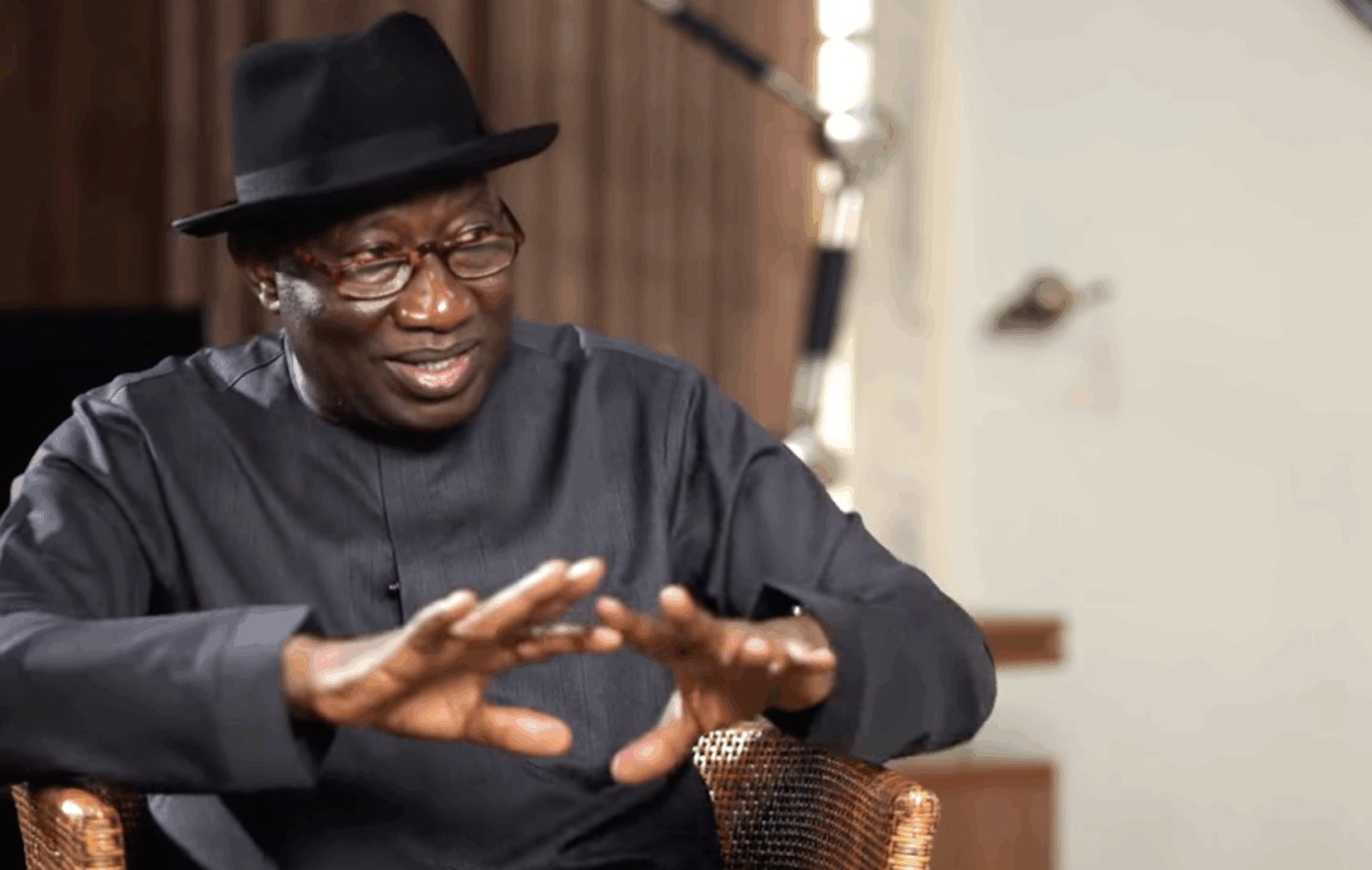
March 31, 2015, will forever be remembered as a landmark day in Nigeria’s democratic journey. For the first time since independence in 1960, an incumbent president was about to lose re-election at the ballot box — and he chose peace over chaos.
As results from the March 28 presidential election continued to trickle in, it became increasingly clear that Muhammadu Buhari of the All Progressives Congress (APC) had defeated incumbent President Goodluck Jonathan of the Peoples Democratic Party (PDP) by a convincing margin (Buhari won with approximately 54% to Jonathan’s 45%).
The Tense Atmosphere in the Final Hours
In the hours leading up to the historic phone call, tension was high in Aso Rock and across the country. Many feared a repeat of the post-election violence that followed the 2011 polls, which claimed hundreds of lives. Jonathan’s inner circle was reportedly divided. Some hardliners urged him to reject the results or delay any concession, while others — including key aides, security chiefs, and international voices — pushed for a statesmanlike response.
According to accounts from those close to the events, Jonathan spent much of that Tuesday reflecting on the results. The Independent National Electoral Commission (INEC) had not yet officially declared the winner, but the trend was undeniable. Pressure mounted from both domestic and international quarters for Jonathan to accept the verdict gracefully.
Former President Olusegun Obasanjo and other elder statesmen were said to have played quiet but influential roles in encouraging a peaceful transition. Jonathan’s media team, led by Reuben Abati, and key ministers like Osita Chidoka (Aviation Minister) were actively involved in managing the narrative.
The Historic Phone Call

At exactly 5:05 pm on March 31, 2015, President Goodluck Jonathan picked up the phone and called Muhammadu Buhari.
In that brief but monumental conversation, Jonathan congratulated Buhari on his victory and formally conceded defeat — even before INEC made the official announcement. It was an unprecedented move in Nigeria’s history.
Buhari’s party spokesman, Lai Mohammed, confirmed the call almost immediately, announcing to jubilant APC supporters at the party secretariat in Abuja that the President had reached out personally.
Jonathan followed up with a public statement that same evening, in which he said:
“I thank all Nigerians once again for the great opportunity I was given to lead this country… Nobody’s ambition is worth the blood of any Nigerian.”
He urged his supporters to accept the outcome and refrain from violence, emphasising that he had kept his promise to deliver free and fair elections.
Why It Mattered
Jonathan’s swift concession is widely credited with preventing widespread violence and bloodshed. It set a powerful precedent for democratic maturity in Africa’s most populous nation. Many analysts and international observers described the gesture as one of the finest moments of Jonathan’s presidency — a rare display of statesmanship that helped stabilise the country during a potentially explosive transition.
The call and subsequent public statement helped calm nerves, especially in Jonathan’s South-South and South-East strongholds, and paved the way for a relatively smooth handover on May 29, 2015.
To this day, Jonathan’s decision is celebrated as a shining example of putting national interest above personal ambition — a defining moment that strengthened Nigeria’s democracy.
Sources: BBC, CNN, TheCable, Premium Times, and eyewitness accounts from that period.
What are your thoughts on Jonathan’s concession? Do you think it was a sign of weakness or true leadership? Share your views in the comment section.






Comments
0 comments