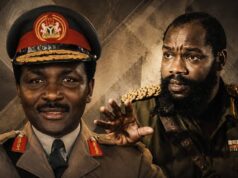

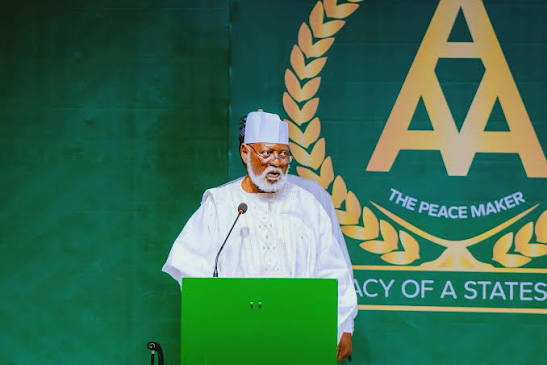
In his autobiography Call of Duty, former Head of State General Abdulsalami Abubakar (rtd) pulled back the curtain on one of the most influential and controversial aspects of General Sani Abacha’s regime: a tight-knit group of military officers who functioned as an unofficial “kitchen cabinet.
This small but extremely powerful clique operated outside formal structures, shaping major government decisions, influencing appointments, and pushing hardline policies. According to Abdulsalami, the group repeatedly agitated for the removal or sidelining of several senior officers they viewed as disloyal or obstacles, including himself and three other generals.
The Clique’s Influence and Ambitions
Abubakar revealed that this inner caucus wielded enormous behind-the-scenes power. They were accused of pushing for the political isolation or retirement of officers perceived as not fully aligned with the regime’s direction. At one point, they reportedly marked Abdulsalami himself and a few other top generals for removal from government.
The former Head of State disclosed that he personally advised Abacha on multiple occasions to disband or distance himself from this clique, describing them as a “bad influence” that often bypassed official channels and created unnecessary tensions within the military hierarchy.
While public reports from the book launch do not list every member by name, the “kitchen cabinet” was widely understood at the time to revolve around a core group of Abacha’s most trusted and hardline loyalists. These officers were deeply embedded in security, intelligence, and special operations structures (including the notorious Strike Force).
Why the Kitchen Cabinet Mattered
This informal group became the real engine room of decision-making during Abacha’s rule. They were particularly active in:
– Coordinating internal security operations
– Managing perceived threats (real or imagined)
– Influencing political appointments and retirements
– Shaping the regime’s aggressive posture against pro-democracy activists
Abdulsalami’s revelation highlights how a small circle of officers could exert disproportionate influence, often operating with limited oversight. This dynamic contributed to the regime’s reputation for paranoia, human rights abuses, and extrajudicial actions.
In the end, Abdulsalami’s counsel to Abacha reflected his preference for more structured and professional military governance — a stance that later defined his own short but pivotal 11-month transition to civilian rule in 1998–1999.
The disclosure in Call of Duty adds important insider context to our understanding of power dynamics during one of Nigeria’s most authoritarian periods. It shows how personal loyalties and small cliques could steer national policy, sometimes against the better judgment of even the Head of State himself.
Sources:
– General Abdulsalami Abubakar’s autobiography Call of Duty (as reported during its public presentation in June 2026)
– Vanguard, Guardian Nigeria, Punch, and other outlets covering the book launch
What do you think about the role of such informal “kitchen cabinets” in military regimes? Share your thoughts in the comment section.