
Defying the Vatican: The Untold Story of Kenya’s First Married Kikuyu Bishop
 Follow on Google News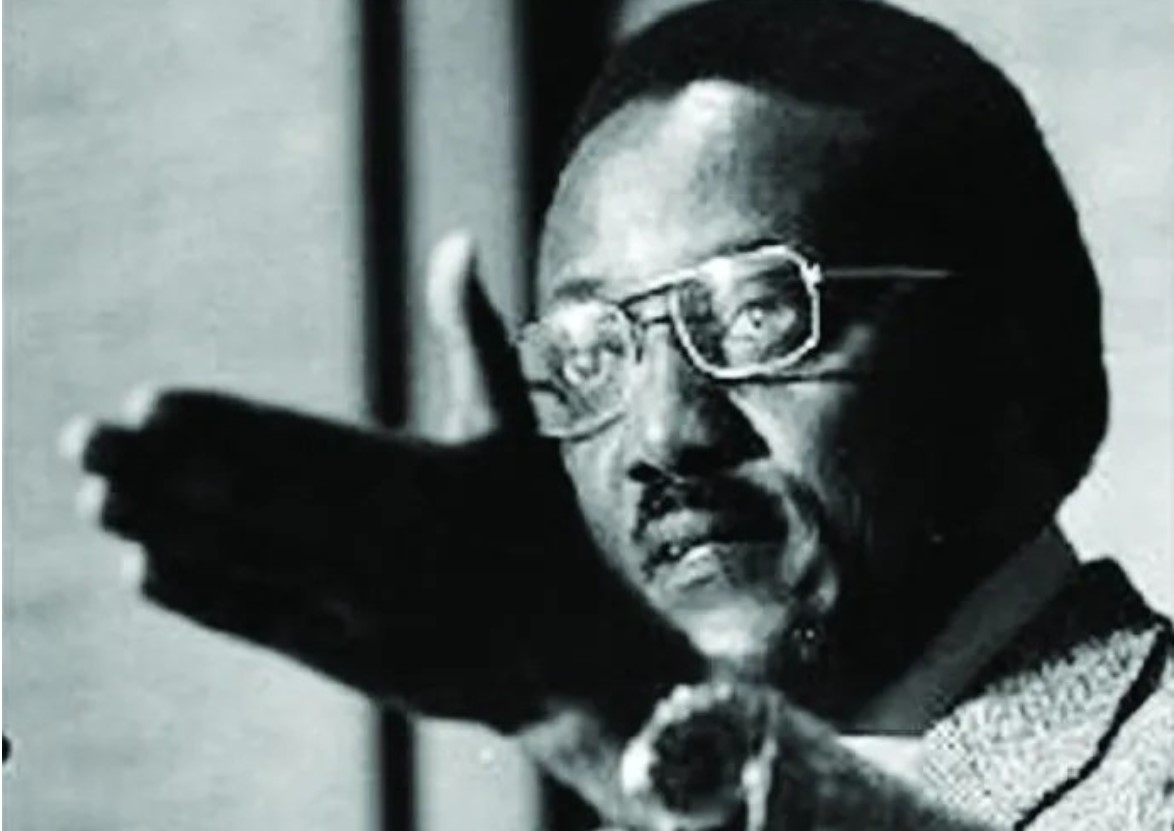
Since the second century, bishops derived from the Greek episkopos have played a crucial role in Christian leadership, serving as the Apostles’ heirs.Through apostolic succession, they have doctrinal authority, teach, and oversee dioceses. In Catholicism, Orthodoxy, and Anglicanism, their positions progress from local pastors to diocesan leaders.
The Catholic Church in Kenya has always avoided controversy and remained unwavering in criticizing and correcting the ruling class when they fail to carry out their mandate.
Because they uphold chastity, Catholic clergy members are likewise respected and admired. the colonial power and its collaborator, the Christian Church, as well as an examination of the colonized people’s dedication to reclaiming their divinely granted right to freedom.
The Christian community’s attitude toward the Mau Mau confirms that, on one level, anti-colonial nationalists and colonial collaborators were not polarized.
Since becoming the first Kikuyu Catholic bishop in Kenya, Peter Macharia Kinyanjui has gained popularity. Peter was born in Limuru, Kenya, in 1921.
He was a Catholic who attended Holy Family Thigio Church in Limuru, close to his hometown, despite his parents’ Anglican faith. He enrolled in St. Augustine’s Minor Seminary in Nyeri when he was young because he felt called to the priesthood.
By founding multiple schools, congregations, and pastoral programs that increased Catholic presence and education among the Kikuyu community, he significantly contributed to the growth of the Catholic Church in central Kenya.
But he gained notoriety for questioning Catholic orthodoxy. Given his previous position in the Catholic Church, Peter’s decision to leave Catholicism, return to his parents’ Anglican Church, and get married there made him the first Kikuyu Catholic bishop.
But Kinyanjui lost faith in several aspects of Catholicism, such as confession and what he perceived as its “soft” approach. Later in life, this resulted in major changes.
Until his death on February 20, 2003, at the age of 82, he carried on with his pastoral work on his own. In Kiambu, where he had constructed his first church, he was laid to rest.He is renowned for his effective pastoral care and contributions to the local church’s expansion.




Comments
0 comments