
If a Bee Enters Your House: What It Means According to African Culture (Opinion)
 Follow on Google News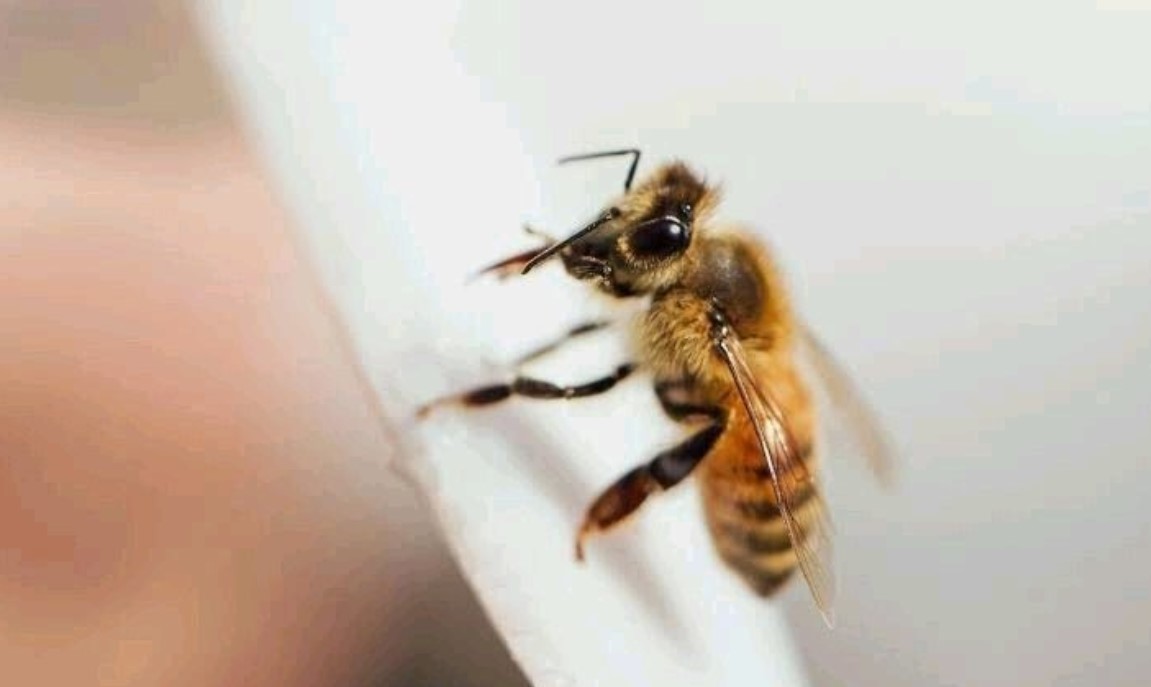
In many African cultures, the natural world is deeply connected to the spiritual realm. Animals and insects are rarely seen as mere coincidences but often interpreted as messengers carrying important signs, warnings, or blessings. Among these, the bee holds a special place of reverence. When a bee unexpectedly enters a home, it is frequently viewed as a meaningful event rather than a random occurrence.
Bees have long been admired across the continent for their industriousness, discipline, and the valuable honey they produce. Honey remains a staple in traditional African medicine, used to treat colds, heal wounds, boost immunity, and enhance beauty. Beyond its practical uses, the bee symbolizes hard work, community cooperation, wisdom, and prosperity in many societies.
According to various African traditional beliefs, a bee flying into a house often carries positive connotations. One common interpretation is that it signals the arrival of a visitor or guest. The nature of the visit, whether good or bad, is believed to depend on how the bee is received. Chasing the bee aggressively or killing it is widely discouraged, as doing so is thought to invite misfortune, conflict, or unpleasant encounters. Instead, many elders advise allowing the bee to leave peacefully on its own, showing respect for the message it carries.
In some regions, bees entering homes are also seen as indicators of changing weather patterns. Their increased presence near human dwellings may foretell approaching rain, cooler conditions, or seasonal shifts. This belief ties into the bee’s natural sensitivity to environmental changes.
Spiritually, bees are considered sacred messengers. Their gentle humming is sometimes likened to prayer or praise. In communities influenced by both traditional and Christian beliefs, bees are associated with virtues such as diligence, wealth, happiness, and strength. Some traditions hold that if a bee lands on your hand, it may symbolize incoming money or good fortune. Landing on the head is interpreted as a sign of leadership, honor, or elevated status.
These beliefs reflect a broader African worldview that emphasizes harmony with nature and respect for all living creatures. Killing bees unnecessarily is often frowned upon, as it is believed to disrupt positive spiritual energy.
While these interpretations vary across different ethnic groups and regions — from West to East and Southern Africa — the underlying message remains consistent: bees should be treated with reverence. In a rapidly modernizing world, such traditions serve as cultural anchors, reminding people of the spiritual significance embedded in everyday natural events.
Whether one views these beliefs through a spiritual lens or as rich cultural heritage, the presence of a bee in the home invites reflection. It encourages mindfulness, respect for nature, and openness to whatever message the small but mighty visitor might bring.







Comments
0 comments