
NDC: “So You Go & Set Up A Coalition Made Up Of The People Who Took Nigeria To Where It’s Now–Sowore
 Follow on Google News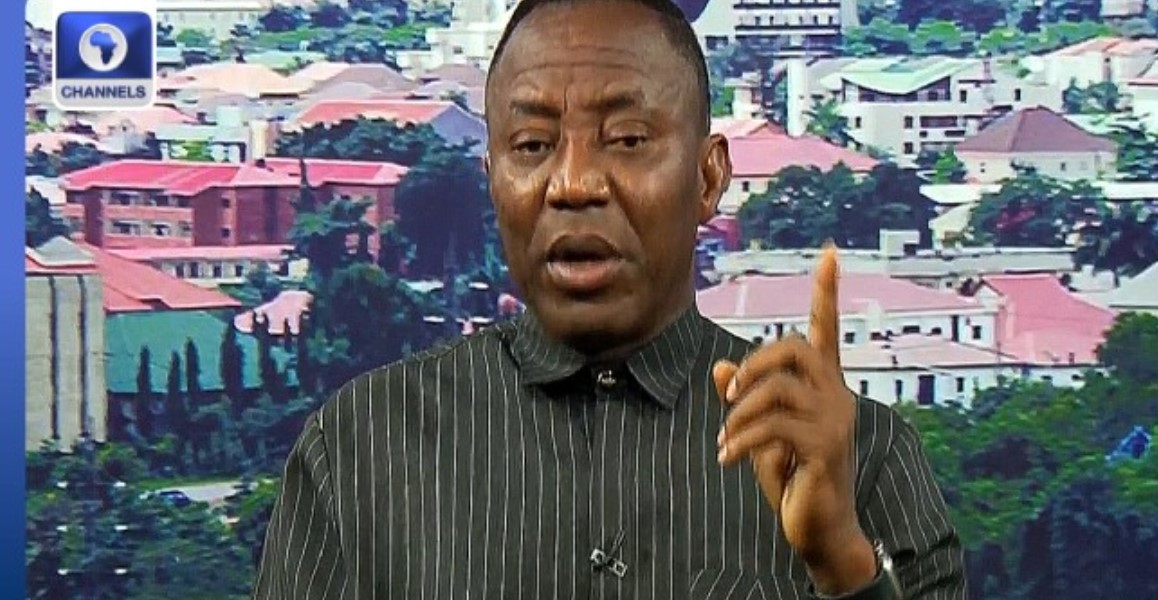
According to a report by Channels Television on Monday, May 11, 2026, former presidential candidate and human rights activist, Omoyele Sowore, has criticised the growing political coalitions being formed ahead of the 2027 general elections, describing them as groups mainly driven by the desire to gain political power.
Sowore made the remarks during an interview on Channels Television’s programme, The Morning Brief, on Monday.
His comments come at a time when several opposition politicians and political groups are engaging in discussions and alliances aimed at challenging the ruling All Progressives Congress in the next election cycle.
According to Sowore, many of the politicians involved in the new political alignments are individuals who have been part of Nigeria’s political system for several years.
He argued that the coalitions do not represent a fresh political direction capable of addressing the country’s long-standing challenges.
The activist maintained that many Nigerians have become more politically aware and may not easily accept alliances formed by politicians who have previously occupied major political positions in government.
He explained that political coalitions should be judged not only by their promises but also by the records and backgrounds of the people involved in them.
The current political alignments among opposition figures have attracted attention in recent months as preparations for the 2027 elections gradually intensify.
In 2025, several prominent politicians, including former Vice President Atiku Abubakar, former Anambra State Governor Peter Obi, and former presidential candidate Rabiu Kwankwaso, moved from their former political platforms to join a coalition within the African Democratic Congress.
The coalition was formed with the aim of building a united opposition capable of challenging the APC in the next general election.
However, political developments within the coalition later led to fresh changes among some of its leading members.
Peter Obi and Rabiu Kwankwaso eventually left the ADC and joined the Nigeria Democratic Congress, citing internal disagreements and crisis within the coalition as part of the reasons for their decision.
The movement of key opposition figures between parties and coalitions has continued to shape political discussions across the country, with analysts monitoring how the changes may affect future political alliances and electoral calculations ahead of 2027.
He said, “So you go and set up a coalition made up of the people who took Nigeria to where it’s now, and you’re talking to political parties whose interest is to grab power. Nigerian people, I think, are wiser than that.”

Comments
0 comments