
Ask My Friend Obi, who is a trader, will he restore the subsidy if he becomes president – Oshiomhole
 Follow on Google News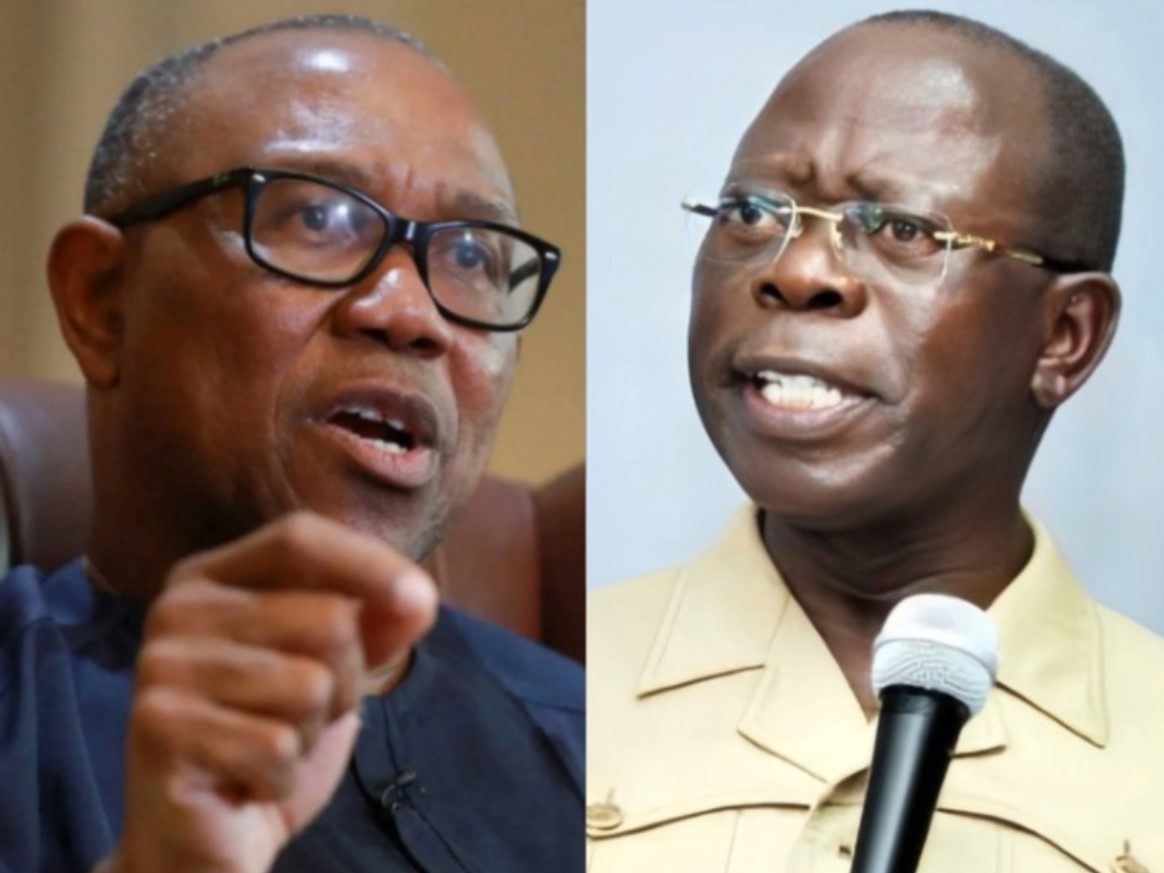
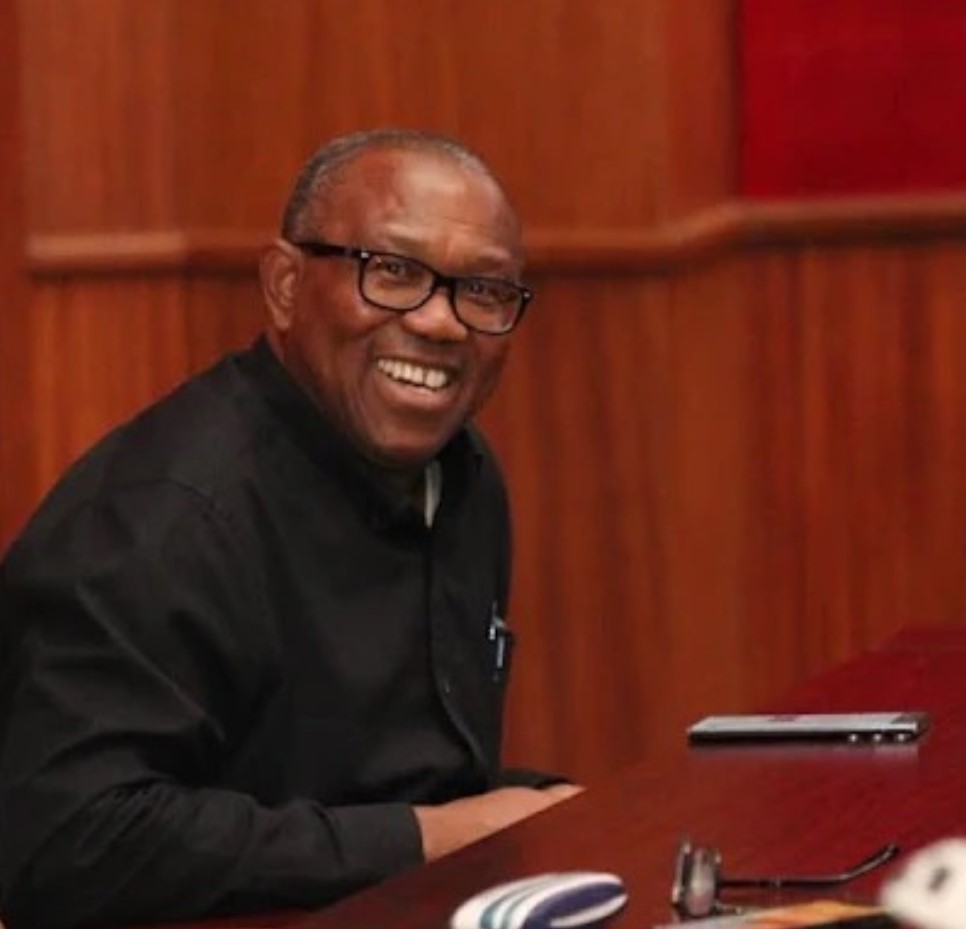
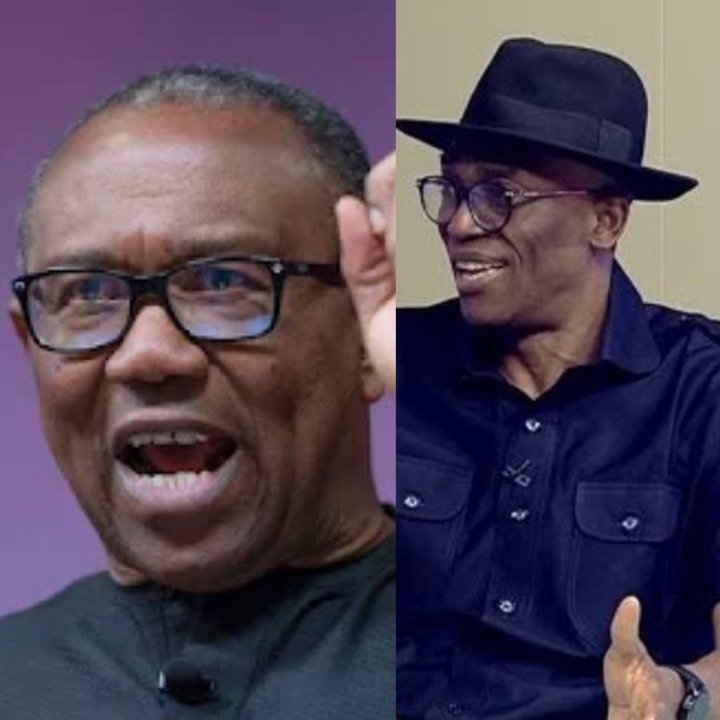
Senator Adams Oshiomhole has challenged former Labour Party presidential candidate Peter Obi and former Minister of Transportation Rotimi Amaechi to clearly state whether they would reinstate fuel subsidy if either of them eventually becomes President of Nigeria.
Speaking during an interview on Channels Television, the senator representing Edo North argued that Nigerians deserve direct answers from politicians seeking the country’s highest office, especially on critical economic policies such as fuel subsidy and foreign exchange management.
Oshiomhole said the debate around subsidy removal should not be reduced to partisan politics, insisting that major contenders in the 2023 presidential election had all acknowledged the need to end the costly regime. According to him, the current administration should not be singled out for implementing a policy that had already gained broad acceptance among leading political figures.
The former Edo State governor specifically called on journalists and members of the public to question opposition figures about their economic plans.
He urged the media to ask Obi, whom he described as a businessman and trader, whether he would bring back fuel subsidy if elected president. He also challenged Amaechi, who has openly expressed presidential ambition, to make his position known to Nigerians.
Beyond the subsidy issue, Oshiomhole also raised concerns about exchange rate management, saying presidential hopefuls should be asked whether they intend to return Nigeria to a dual exchange rate system. He argued that clarity on such matters is necessary because economic policies directly affect businesses, investors and ordinary citizens.
The senator maintained that subsidy removal had long been considered inevitable because of the heavy financial burden it placed on the country. He noted that successive governments struggled with the rising cost of maintaining the system, while allegations of corruption and abuse repeatedly surrounded the subsidy framework.
Reflecting on his own past opposition to fuel subsidy removal, Oshiomhole admitted that his position evolved over time. He explained that he initially resisted the policy because of concerns about its impact on ordinary Nigerians, particularly low-income earners already battling economic hardship.
However, he said his perspective changed after discovering the extent to which the subsidy system had allegedly been exploited by powerful interests for personal gain. According to him, what was originally designed as a relief mechanism for citizens gradually turned into a channel through which public funds were siphoned.
Oshiomhole stated that he could no longer support a structure that, in his view, enabled corruption and drained national resources. He said the subsidy system eventually became a “cover for stealing in high places,” adding that he refused to be part of any arrangement that continued to weaken the country’s economy.
Watch video HERE:
From 46:27 to 46:36

Comments
0 comments