
Reasons Why You Should Stop Sleeping With A Fan Turned On Overnight
 Follow on Google News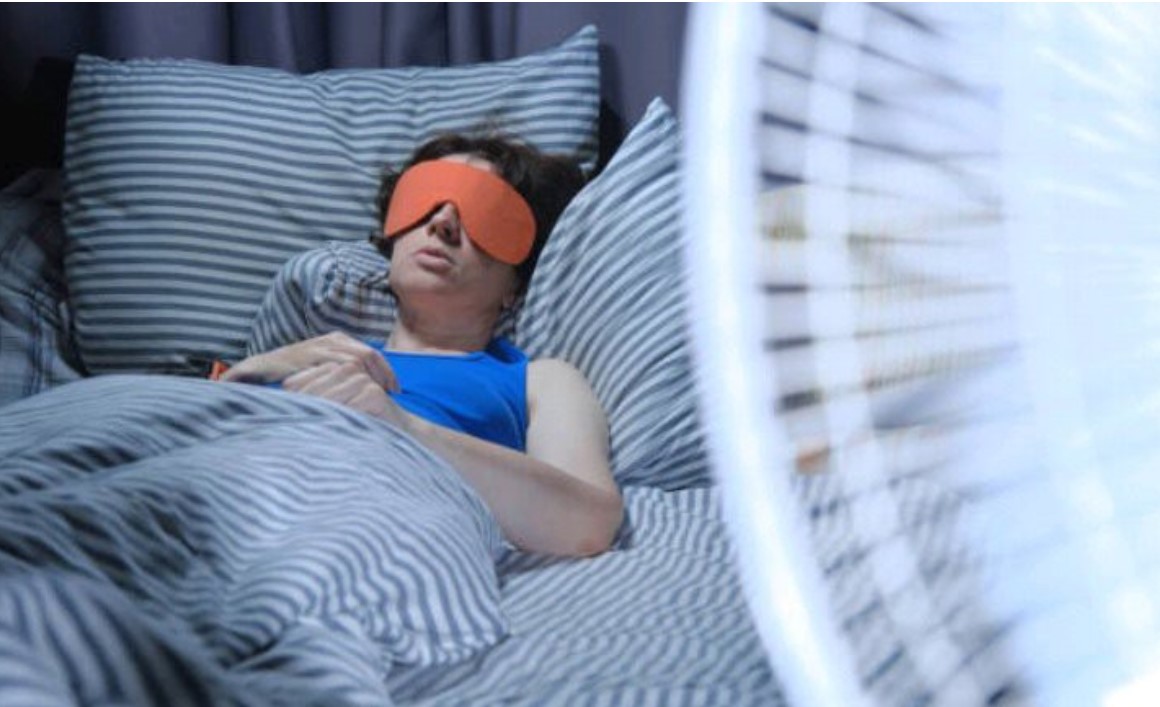
Sleeping with a fan turned on overnight is a common habit in many homes, especially during hot weather. While fans can help improve comfort and air circulation, some health experts say excessive or direct exposure to fan air during sleep may contribute to certain minor health issues in sensitive individuals.
According to sleep and health specialists, fans themselves do not directly cause illness, but they may worsen existing conditions such as allergies, asthma, dry skin, or sinus irritation in some people.
One concern often linked to overnight fan use is irritation of the respiratory system. Fans can circulate dust, pollen, pet hair, and other airborne particles around a room. For individuals with allergies or asthma, this may trigger sneezing, coughing, congestion, or breathing discomfort during sleep.
Medical experts also note that constant airflow may contribute to dryness in the nose, throat, skin, or eyes, particularly when the fan is directed closely toward the body throughout the night. Some people report waking up with dry lips, irritated sinuses, or mild dehydration symptoms after sleeping with a fan on for long periods.
However, doctors emphasize that fans do not directly cause illnesses such as the common cold or flu. Viral infections are caused by viruses, not by airflow itself. Nevertheless, dry nasal passages and irritated airways may make some individuals feel more uncomfortable or more sensitive to environmental irritants.
Health specialists further explain that sleeping in very cold or overly dry conditions can sometimes contribute to muscle stiffness or sinus discomfort in certain people.
Despite these concerns, experts say fans can still be used safely and comfortably with a few precautions:
Keep the fan clean to reduce dust circulation.
Avoid pointing the fan directly at the face or body all night.
Maintain proper room ventilation.
Stay hydrated before sleeping.
Use humidifiers if the air becomes too dry.
Sleep researchers also point out that fans may provide benefits for many people, including improved airflow, cooler sleeping conditions, white noise for relaxation, and reduced overheating during warm weather.
Ultimately, whether sleeping with a fan is harmful often depends on the individual’s health condition, room environment, and sensitivity to dry air or allergens.
People experiencing persistent breathing issues, allergies, or sleep discomfort are advised to consult healthcare professionals for personalized advice.







Comments
0 comments